- 83
- 105shares
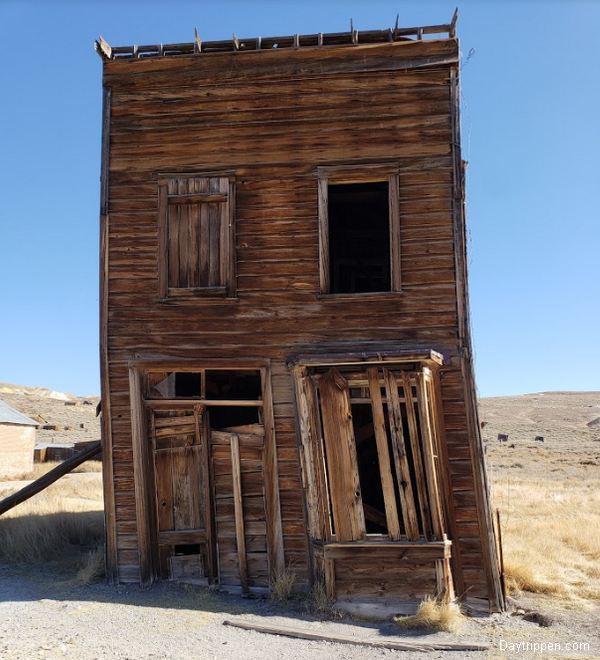
Bodie State Historic Park Guide: Exploring Arrested Decay
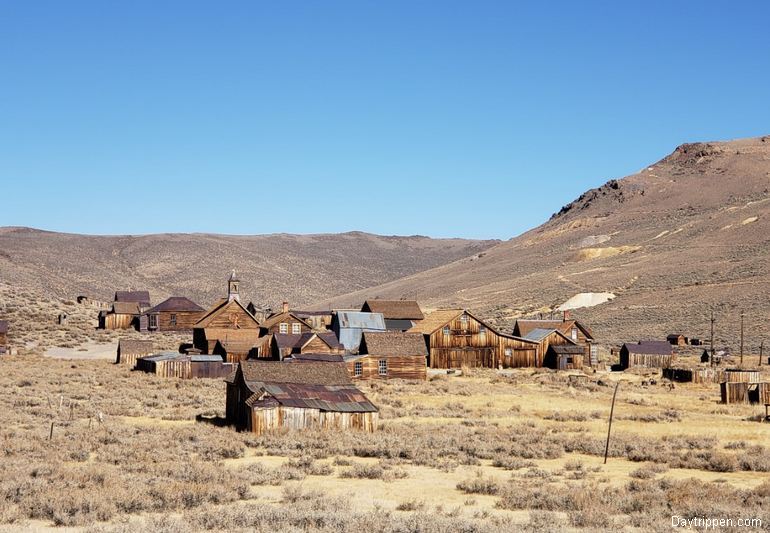
Step onto the dusty streets of Bodie and you step into the raw heart of California’s gold-rush era. Roughly 100 original buildings still stand in various stages of weathered decline, their windows looking in on rooms left largely as they were decades ago. No gift shops, no restaurants, no restored saloons with costumed actors—just the quiet, wind-scoured remains of a town that once pulsed with 8,000 to 10,000 residents, 65 saloons, and a reputation so fierce it spawned its own legend: the “Bad Man from Bodie.”
At 8,375 feet in the high desert east of the Sierra Nevada, Bodie offers one of the purest ghost-town experiences in the West. It is California’s official state gold-rush ghost town, a National Historic Landmark, and a place deliberately kept in a state of “arrested decay.” Buildings are stabilized so they do not collapse, but they are not polished or rebuilt. That decision is exactly why the place feels so powerful.
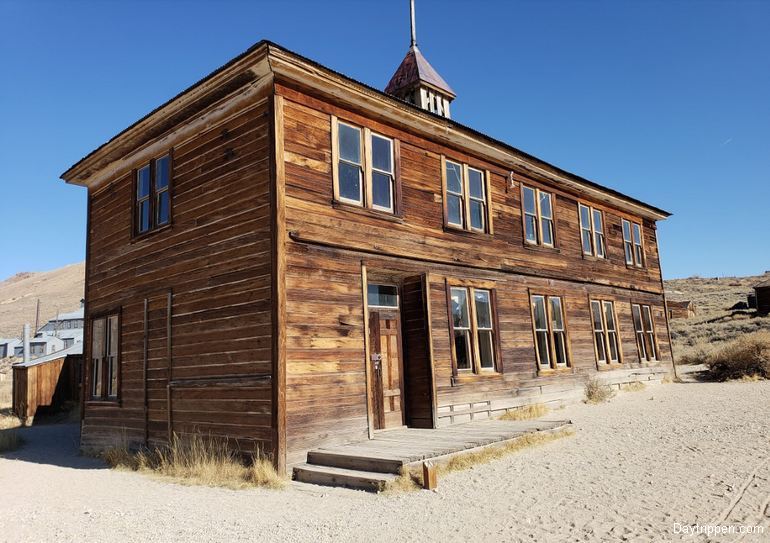
From Discovery to Boomtown
Gold was found in the area in July 1859 by prospector W.S. Bodey (the spelling later changed). Bodey himself died in a snowstorm that winter, and for years the camp remained small and quiet while richer strikes drew attention elsewhere. Everything changed in the mid-1870s when the Bunker Hill Mine (soon renamed the Standard) hit a rich vein. Speculators poured in. By 1879 the population had exploded. Main Street stretched more than a mile and was lined with one- and two-story wooden buildings. The town supported two banks, four volunteer fire companies, a brass band, miners’ and mechanics’ unions, several daily newspapers, a jail, hotels, churches, and a school.
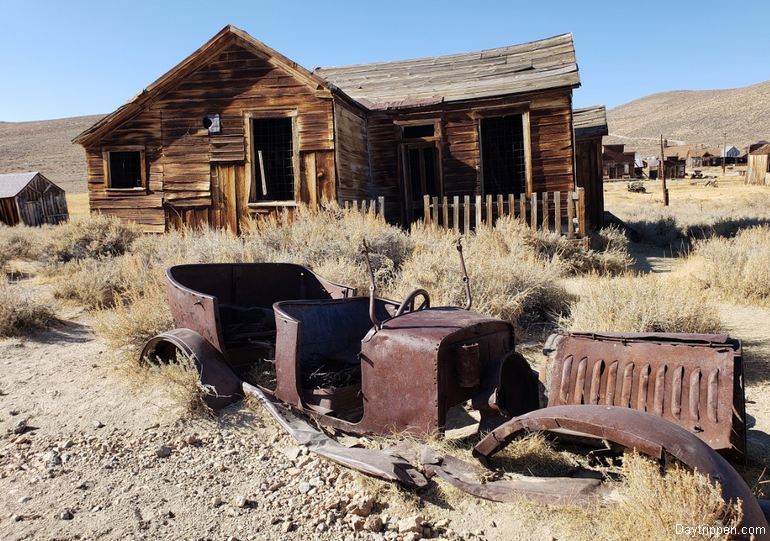
Goodbye God, I’m Going to Bodie
It also supported a lot of trouble. Murders, shootouts, barroom fights, and stagecoach robberies were common enough that the phrase “Bad Man from Bodie” entered the national vocabulary. One widely told story claimed a little girl, upon learning her family was moving to the town, prayed, “Goodbye God, I’m going to Bodie.” Local papers later insisted she had actually said something closer to “Goodbye God, we’re going to Bodie.” Either version captured the town’s image.
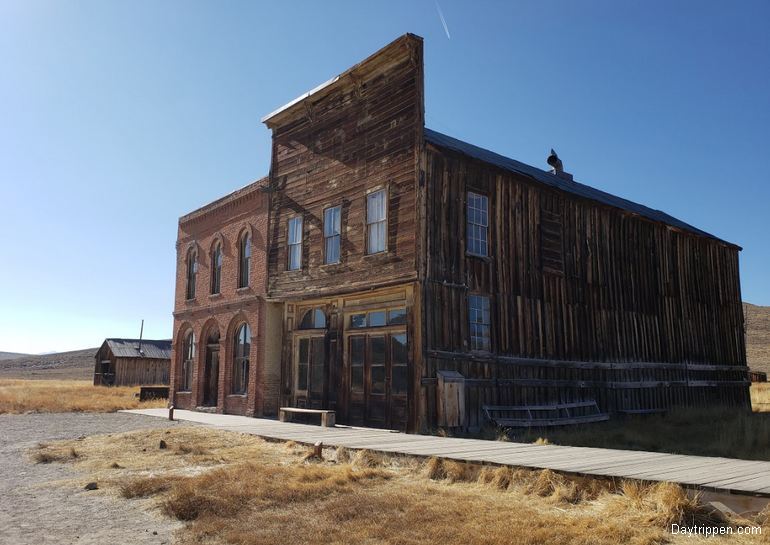
Bodie Railway from Mono Mills
In 1881 a narrow-gauge railroad, the Bodie Railway & Lumber Company, began hauling lumber, cordwood, and mine timber from Mono Mills south of Mono Lake. That same year, ore production reached a high of $3.1 million. The mines were still producing, yet the boom was already fading. New strikes in Butte, Montana; Tombstone, Arizona; and Utah pulled the transient, single miners away. Bodie gradually became a quieter, more family-oriented community even as the remaining mines continued to operate.
The Long Decline of Bodie, California
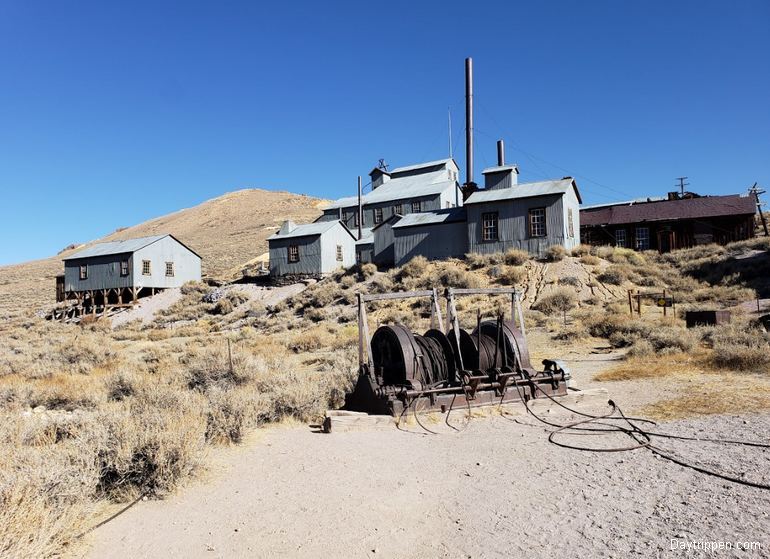
The last Bodie newspaper, The Bodie Miner, printed its final issue in 1912. The Standard Consolidated Mine closed in 1913. Mining profits the following year sank to just $6,821. Entrepreneur James S. Cain bought up lots and claims and briefly revived the Standard mill, generating more than $100,000 in 1915, but the rebound was short-lived. The railroad was abandoned in 1917, and its tracks scrapped. A major fire in 1892 had already destroyed much of the business district; another in 1932 finished off most of what remained of downtown. The final blow came in 1942 when War Production Board Order L-208 closed all nonessential gold mines for the war effort. Mining never returned.
Empty Except for Relic Hunters
By the 1920 census, only 120 people lived in Bodie. A handful of permanent residents hung on through the mid-20th century. The post office, open since 1877, closed in 1942. After that, the town was largely empty except for relic hunters and the caretakers hired by the Cain family, who still owned much of the land. Martin Gianettoni was one of the last three people recorded in Bodie in 1943. The family’s decision to protect the remaining structures, combined with the town’s isolation, saved what is now considered the largest and best-preserved gold-mining ghost town in the American West.
In 1961, Bodie was designated a National Historic Landmark. The following year it became Bodie State Historic Park. California later designated it the official state gold rush ghost town. The park’s guiding principle has remained consistent: stabilize, do not restore.
Exploring Bodie Today
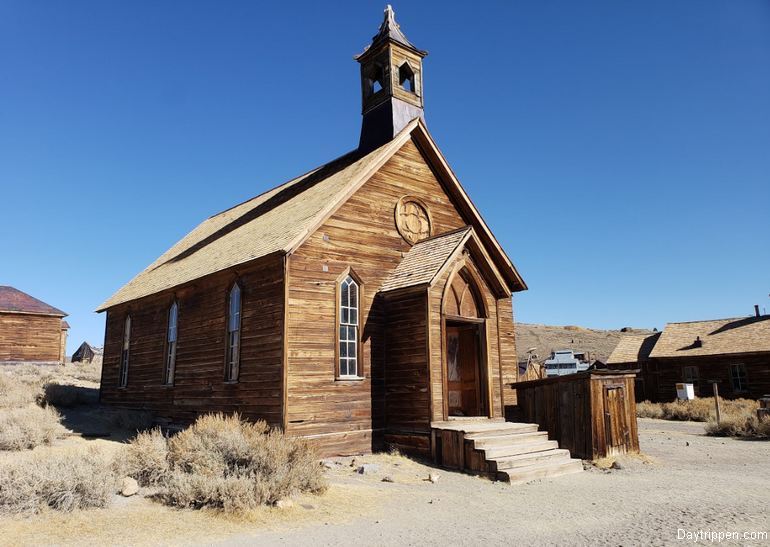
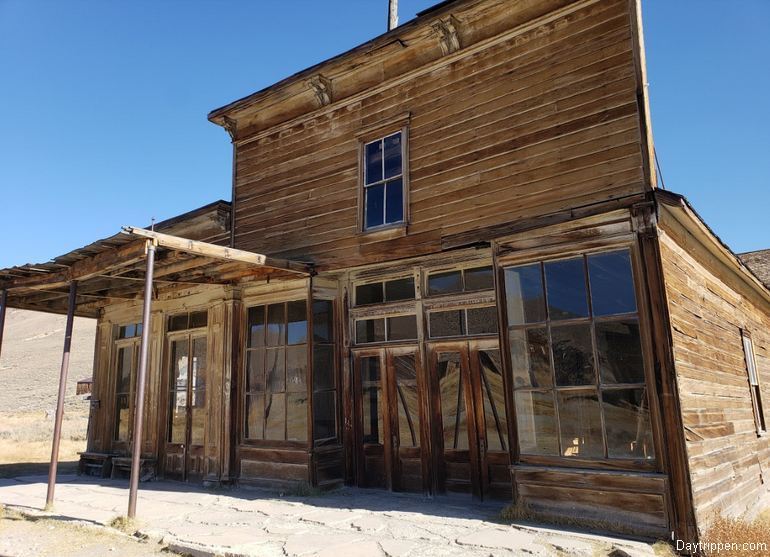
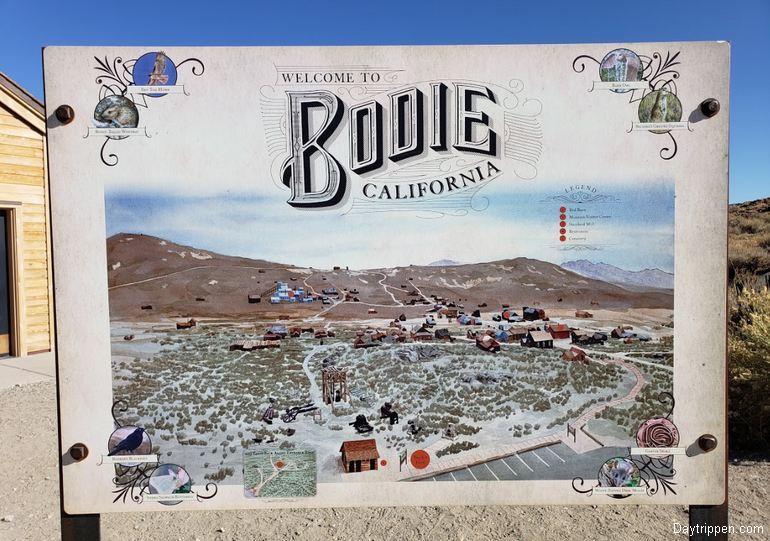
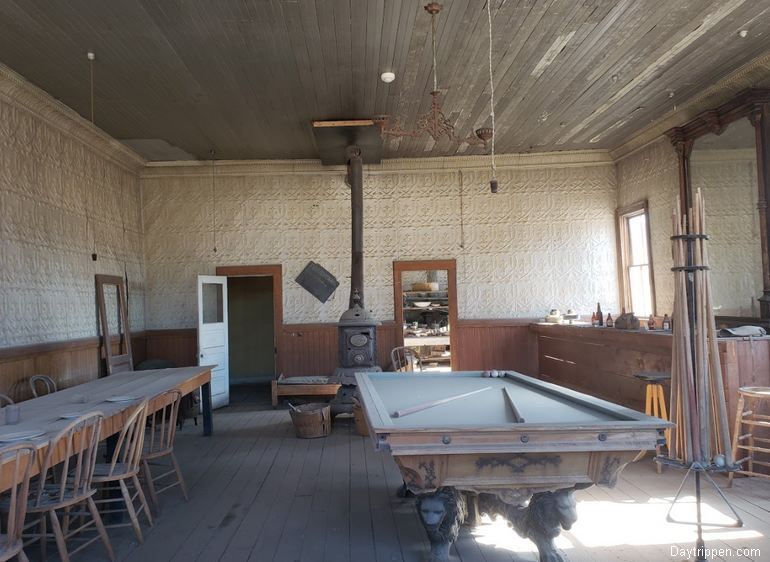
Visitors walk the same dirt streets that once held thousands. You can peer through windows into interiors still stocked with furniture, bottles, and personal belongings left behind. The schoolhouse, church, and various homes and commercial buildings stand in different states of preservation. A museum and bookstore operate seasonally inside one of the surviving structures. Seasonal history talks and stamp-mill tours are offered through the Bodie Foundation; check at the museum for the day’s schedule. Restrooms are available, but there are no food, fuel, or lodging services of any kind inside the park. Everything—artifacts, rocks, plants, boards—is protected. Removing or disturbing anything is illegal.
Getting There: Get Ready For the Trip
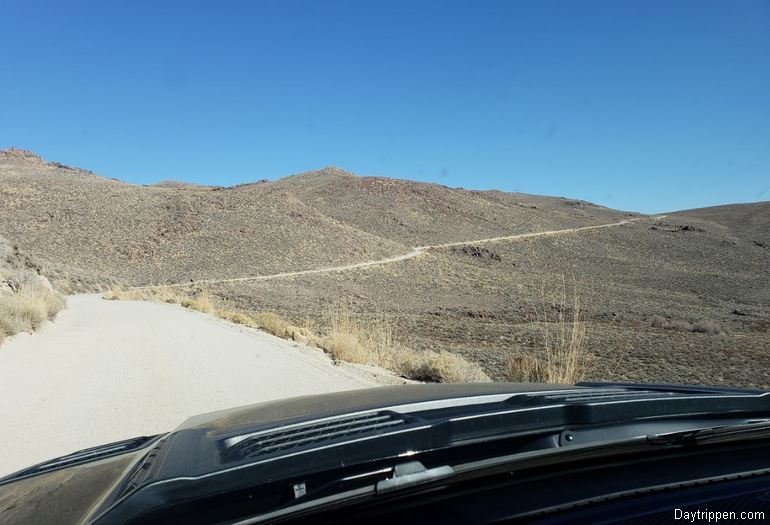
Bodie sits northeast of Yosemite, roughly 13 miles east of U.S. 395. From the highway seven miles south of Bridgeport, turn east onto State Route 270. Drive 10 miles of pavement, then continue another 3 miles on a dirt road to the park entrance. The unpaved section is usually passable in a regular passenger car during dry summer months if you slow down and watch for washboard and ruts. High-clearance or four-wheel drive is wiser after rain or in the shoulder seasons. In winter, the road is often closed by snow and not plowed; access may require skis, snowshoes, or a snowmobile. Always check current road conditions on the Caltrans site for SR 270 and call the park if you have any doubt.
Elevation is 8,375 feet. Weather can shift quickly even in summer—bring layers, a hat, sunscreen, and more water than you think you need. Fill your gas tank in Bridgeport or Lee Vining; there is none at Bodie.
Hours (subject to weather and staffing):
Summer (roughly May 1–Labor Day): 9 a.m.–6 p.m.
Winter (Labor Day–May 1): 9 a.m.–4 p.m.
Park hours are strictly enforced. The museum/visitor center is typically open mid-May through mid-October.
Fees (as of recent seasons): $8 per adult, $5 for ages 4–17, free under 4. California State Parks Historian Passport and Distinguished Veteran Pass are accepted. Cash is preferred at the self-pay station when the kiosk is unattended; credit cards are sometimes accepted at the entrance.
Why Visit Bodie?
Bodie is not a theme-park version of the Old West. It is the real remnant of a place that rose fast, lived hard, and faded under the weight of depleted ore, better opportunities elsewhere, fire, and finally government order. The isolation that once made it so difficult to reach also protected it from the scavenging and vandalism that erased so many other mining camps. Standing on Main Street with the wind moving through empty doorways, you get a rare, unfiltered sense of how temporary even the wildest boomtowns really were.
If you are traveling Highway 395 through the Eastern Sierra—whether heading to Mono Lake, the June Lake Loop, Bridgeport, or the east entrance of Yosemite—set aside half a day or more for Bodie. Bring water, sturdy shoes, and curiosity. The town will do the rest.
FAQ: Visiting Bodie Ghost Town
Is Bodie open year-round?
Yes, but road access is seasonal. Winter storms frequently close State Route 270. Confirm conditions before you go.
Do I need a four-wheel-drive vehicle?
Not in dry summer conditions for most cars if you drive slowly on the final three miles of dirt. After rain or in spring mud, higher clearance or 4WD is safer. In winter, standard vehicles are often useless.
Is Bodie Dog-Friendly?
Dogs are allowed on leash in outdoor areas but are not permitted inside historic buildings, the museum, or on the stamp-mill tour.
Are there services or food at the park?
No. Restrooms and limited drinking water are available. Bring all food, water, and supplies with you.
Can I go inside the buildings?
Most structures are closed to entry for preservation and safety. You can look through windows. Guided stamp-mill tours and history talks provide limited interior access when offered.
Is there an entrance fee?
Yes. Currently $8 for adults and $5 for ages 4–17. State Parks passes are accepted.
How long should I plan to spend?
Most visitors spend two to four hours walking the town site, reading interpretive signs, and exploring at their own pace. Photography enthusiasts and history buffs often stay longer.
Is camping allowed?
No camping is permitted inside Bodie State Historic Park. Look for nearby Forest Service or BLM sites if you need overnight options.
California’s Best Ghost Towns: Echoes of the Gold Rush and Beyond
Discover more from Daytrippen.com
Subscribe to get the latest posts sent to your email.
The road to Bodie Ghost Town off Highway 395 is paved for about half the way with the remainder graded gravel road. There is an entrance fee to get into the park and it is worth every penny.
If you are traveling Highway 395 in California’s Eastern High Sierra Bodie Ghost town is a must see.