Visiting the California Academy of Sciences in Golden Gate Park
If you’re heading to San Francisco and want one stop that delivers an aquarium, a living rainforest, a planetarium, and a natural history museum under the same roof, the California Academy of Sciences in Golden Gate Park delivers. This isn’t a collection of static displays. You’ll walk through a four-story tropical canopy with free-flying birds and butterflies, stand beside a deep coral reef, and sit under a 75-foot dome that takes you into space—all inside a building designed as a model of sustainability.
The Academy opened in its current form in 2008 after a major redesign by architect Renzo Piano. The structure earned LEED Platinum certification and features one of the most recognizable living roofs in the country. Inside, scientists still conduct active research while visitors move through exhibits that connect California’s natural world to ecosystems across the globe.
Steinhart Aquarium: Nearly 60,000 Animals and Counting
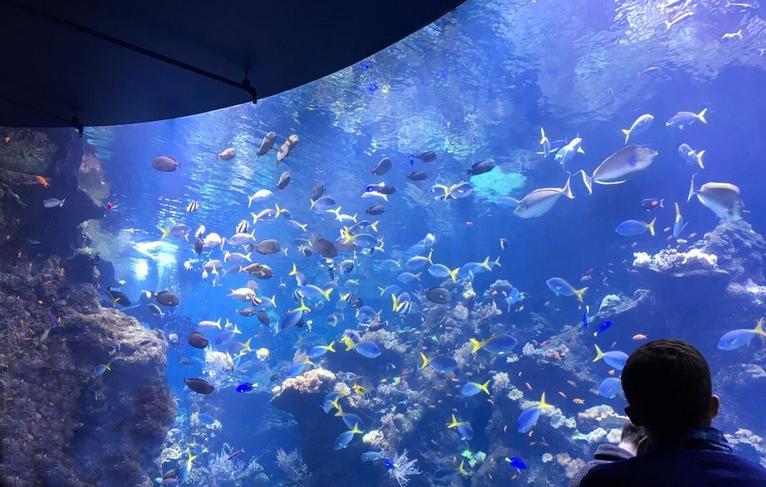
The Steinhart Aquarium anchors the experience with nearly 60,000 live animals representing more than 800 species. Signature spaces include the Philippine Coral Reef, where schools of fish and rays move through a deep living reef, and the California Coast tanks that showcase rockfish, eels, anemones, and sharks from local waters.
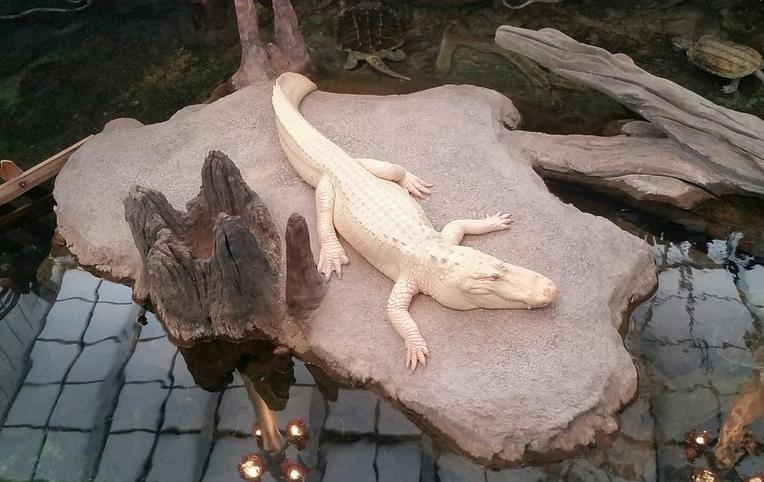
African penguins swim and call in their colony, while the Swamp exhibit holds alligator snapping turtles and other freshwater species. The Twilight Zone gallery highlights animals adapted to deeper reefs with surprising colors and behaviors. Water Planet focuses on creatures that move between water and land, including newer arrivals such as axolotls. Keep an eye out for Methuselah, an Australian lungfish estimated to be around 90 years old and considered the oldest fish in any aquarium.
Daily programs often include penguin feedings and coral reef dives where divers answer questions from inside the tank. These sessions add energy and give visitors a closer look at animal care and research.
Osher Rainforest: Four Stories of Heat, Humidity, and Life
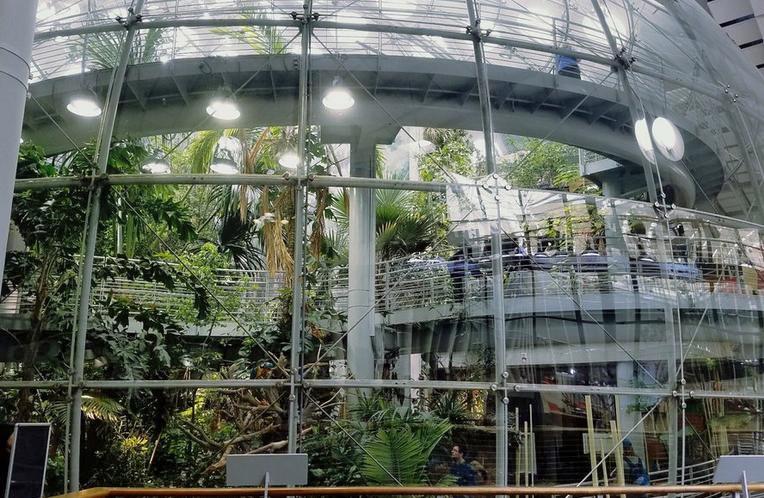
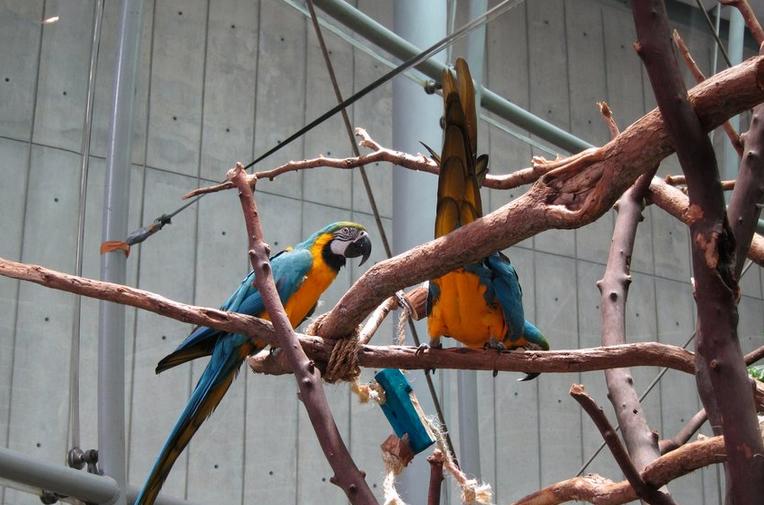
Step into the 90-foot-diameter glass dome and the temperature jumps to the mid-80s with humidity above 75 percent. The Osher Rainforest rises four stories and holds more than 1,600 live plants, free-flying birds, butterflies (including striking blue morphos), reptiles, amphibians, and a large Amazonian flooded-forest tank with giant fish.
Most visitors start at the canopy level and wind downward along a spiraling path, ending in a transparent tunnel that cuts through the flooded forest. The combination of dripping water, bird calls, and dense greenery creates one of the most immersive indoor habitats in any U.S. museum. The rainforest has its own operating hours that close slightly earlier than the rest of the building, so plan accordingly.
Morrison Planetarium: Under the 75-Foot Dome
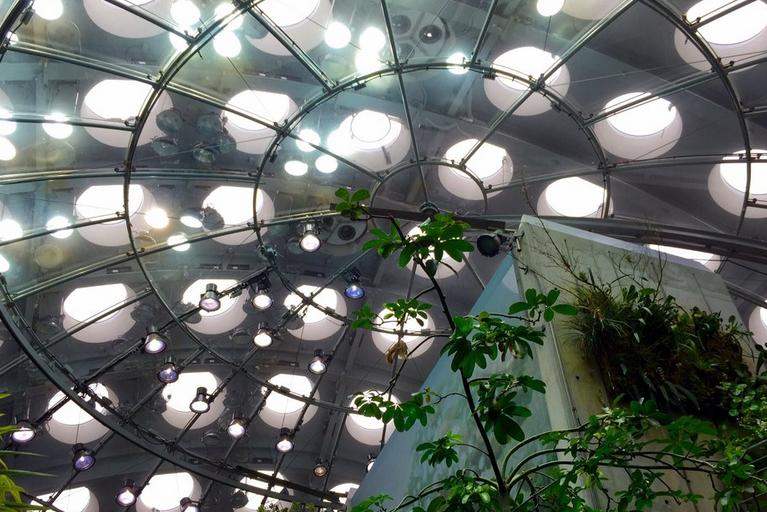
The Morrison Planetarium is the largest all-digital planetarium of its kind. Shows run multiple times daily on a 75-foot-diameter screen. Seats fill quickly, especially on weekends, so grab free show passes as soon as you enter. Some programs work better for older children; the Academy notes that children under 4 are not permitted and that certain shows may not suit kids under 7. Check the daily calendar for the current schedule.
Kimball Natural History Museum and Other Highlights
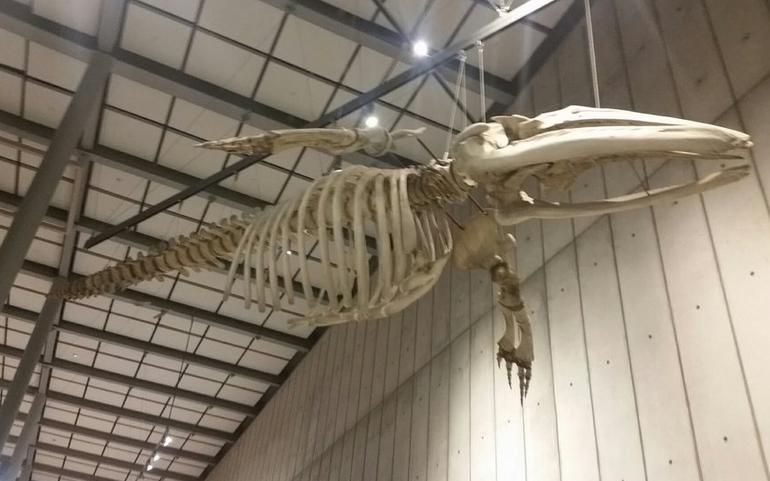
The Kimball Natural History Museum draws from the Academy’s collection of more than 20 million specimens. Tusher African Hall features classic dioramas of African wildlife alongside the penguin colony. Other galleries cover California ecosystems, human origins, gems and minerals, venomous species, and the Academy’s own research collections. Hands-on areas such as the Nature Lab and outdoor play spaces like Wander Woods and Curiosity Grove give younger visitors space to explore.
The Living Roof: 1.7 Million Plants Overhead
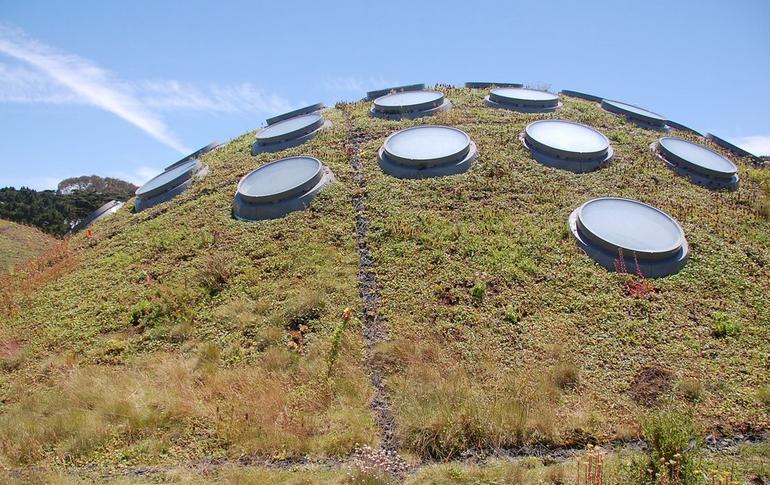
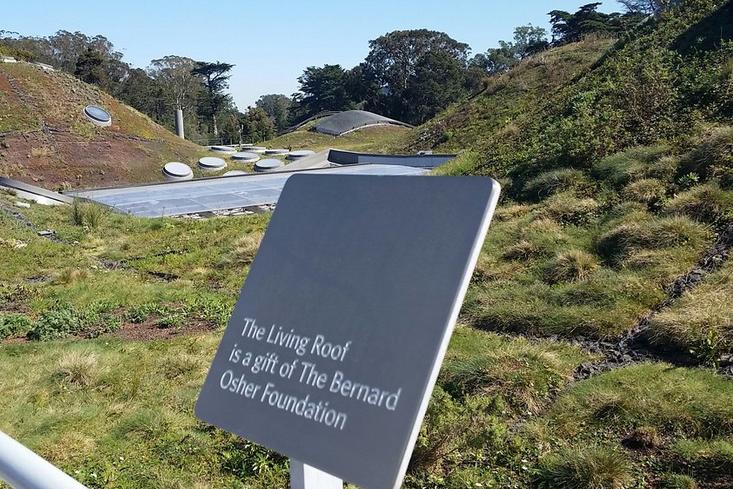
One of the building’s most striking features sits on top. The 2.5-acre living roof holds an estimated 1.7 million plants in biodegradable trays made from tree sap and coconut husks. Native species create habitat for birds, insects, and other wildlife while providing natural insulation and capturing stormwater. Solar panels line the perimeter. The roof helps the Academy maintain comfortable temperatures inside the rainforest and piazza with far less energy. Visitors can sometimes join special programs that take advantage of the elevated space.
Tickets, Discounts, and Ways to Save
General daytime admission includes access to the aquarium, rainforest, planetarium shows (with pass), and natural history exhibits. Current pricing (subject to change) runs approximately:
- Adult (19+): $49 standard / $55 peak
- Youth (13–18): $45 / $49 peak
- Child (3–12): $39 / $45 peak
- Ages 2 and under: free
- Anytime Admission (valid for a year, skip-the-line perks): $59
Peak pricing applies during summer, spring break, holiday weekends, and late-year holiday periods.
Memberships start around $119 and pay for themselves in a couple of visits while supporting the Academy’s research and education work. San Francisco CityPASS can save up to 45 percent when combined with other top attractions. Go City San Francisco passes also include the Academy. EBT cardholders pay $5 (Museums for All). Active-duty military receive $3 off, and visitors who walk, bike, or take public transit can get $3 off daytime admission at the ticket window. Always check the official site for the latest rates and any temporary offers.
Hours and Details
Public hours are Monday–Saturday 9:30 a.m.–5 p.m. (last entry 4 p.m.) and Sunday 11 a.m.–5 p.m. (last entry 4 p.m.). Thursday Night Life events for ages 21+ run 6–10 p.m. Members enjoy early entry hours on selected days. The rainforest closes a bit earlier than the main building. The Academy is closed Thanksgiving and Christmas.
Getting There, Dining, and the Store
The address is 55 Music Concourse Drive, Golden Gate Park, San Francisco, CA 94118. Parking is available in the nearby garage at Fulton and 10th, but it fills early on weekends. Public transit is strongly recommended—the #44 bus stops at the Music Concourse, and the #5 stops just outside the park for a short walk.
Inside, the Academy Café serves a range of entrees, snacks, and desserts. The Academy Store stocks science-themed gifts, books, and merchandise.
FAQ: Visiting the California Academy of Sciences
How long should I plan for a visit?
Most people spend 3–5 hours. Families with young kids or visitors who want to catch a planetarium show, rainforest path, and several aquarium galleries often stay closer to half a day.
Do I need to buy tickets in advance?
Advance purchase is recommended, especially on weekends, holidays, and during peak summer months. Anytime Admission tickets add flexibility and skip-the-line access to popular areas.
Is the rainforest accessible?
An elevator reaches the canopy level. The main path is a descending ramp. The environment is warm and humid; dress in layers you can remove.
Are planetarium shows included?
Yes, with general admission, but you must pick up a timed pass upon arrival. Capacity is limited.
What’s the best time to visit?
Weekday mornings tend to be quieter. Arrive early if you want the living roof programs, specific feedings, or preferred planetarium seating.
Is it good for kids?
Yes. The aquarium, rainforest, hands-on nature spaces, and outdoor play areas keep younger visitors engaged. Strollers are allowed in most areas.
Can I bring food?
Outside food is generally limited; the café provides options. Check current guest guidelines before packing a full lunch.
Are there free or discounted days?
Children 2 and under are free every day. EBT, military, and transit discounts apply year-round. San Francisco residents and library cardholders sometimes have additional access options—verify current programs on the Academy site.
Why the California Academy of Sciences is a Must-Visit
Whether you’re making a dedicated day trip from elsewhere in the Bay Area or fitting it into a larger San Francisco itinerary, set aside enough time to move slowly; the exhibits reward a second look, and the research happening behind the scenes gives the whole place a sense of purpose that goes beyond a typical museum visit. Check the official calendar for the day’s programs, grab your planetarium pass early, and enjoy one of the most complete science destinations on the West Coast.
Discover more from Daytrippen.com
Subscribe to get the latest posts sent to your email.