- 24
- 45shares
Family Day Trip to California Living Museum Bakersfield, California
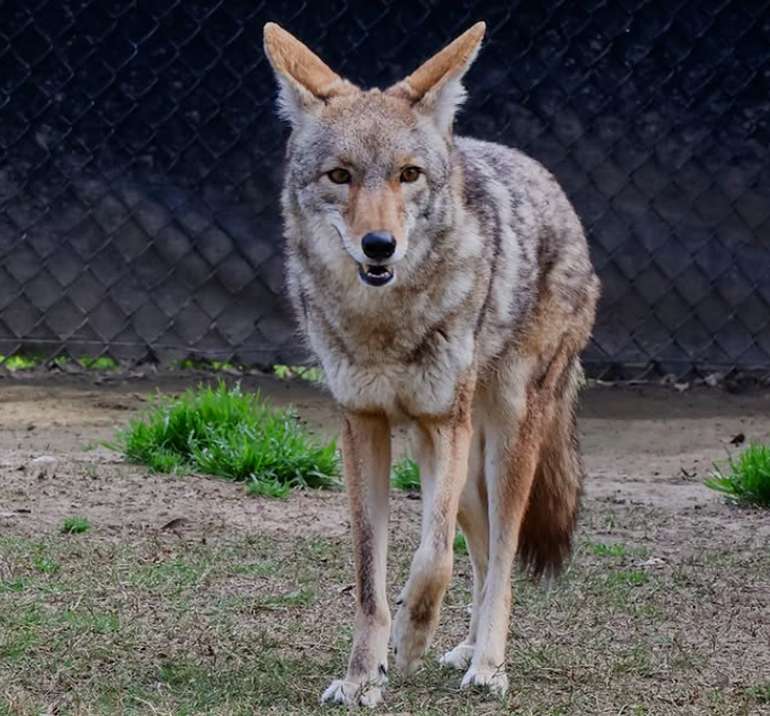
Just east of Bakersfield along the lower Kern River sits one of the most distinctive zoos in California. The California Living Museum, better known as CALM Zoo, spans 14 acres and focuses exclusively on plants and animals native to the state. Unlike large metropolitan zoos filled with exotic species from around the world, everything here belongs to California—from desert tortoises and San Joaquin kit foxes to California condors and mountain lions. The result is a focused, educational, and surprisingly engaging experience that works especially well for families.
CALM opened to the public in the mid-1980s after several years of planning and construction. Operated today under the Kern County Superintendent of Schools, the facility serves as both a public zoo and a living classroom. More than 13,000 local students visit each year through field trips, and the site also functions as a wildlife rehabilitation center. Injured and orphaned native animals receive care to return as many as possible to the wild. Those that cannot be released safely become permanent residents, giving visitors a chance to see animals that would otherwise remain hidden in the landscape.
Exploring Native California Habitats
The grounds are organized around the natural environments found across Kern County and the broader state. Walking paths lead through areas designed to evoke the Mojave Desert, foothill scrub, mountain woodlands, and riparian corridors along the Kern River. In each zone, the animals and plants match the habitat.
California Native Species
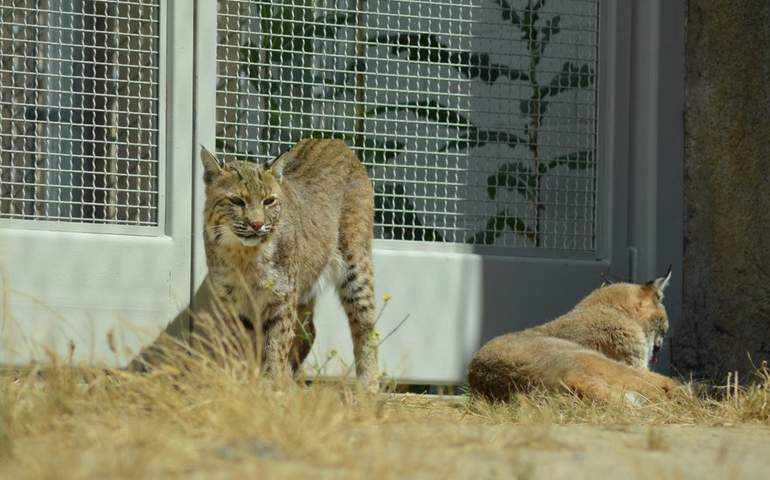
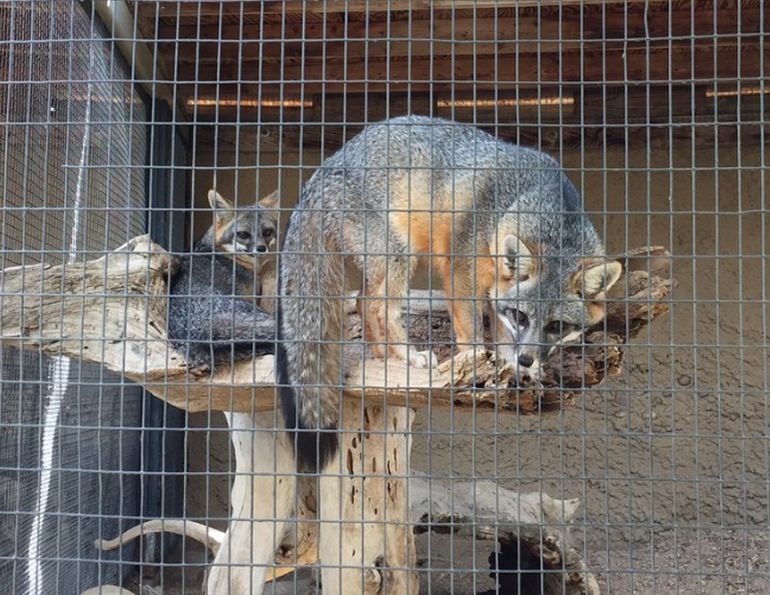
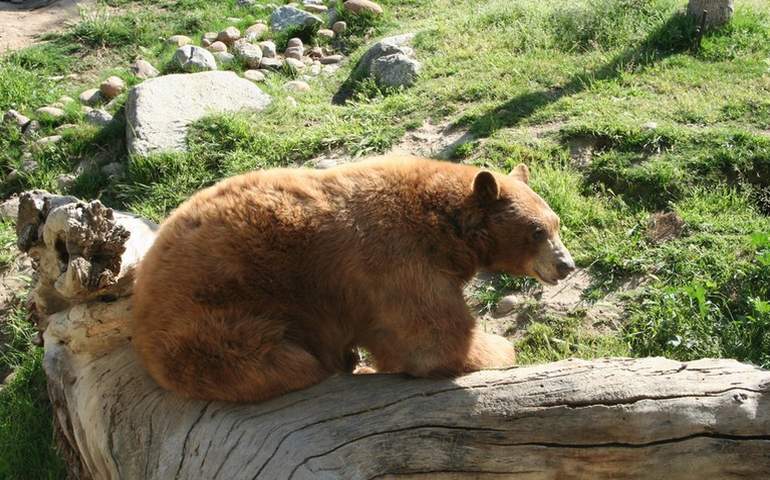
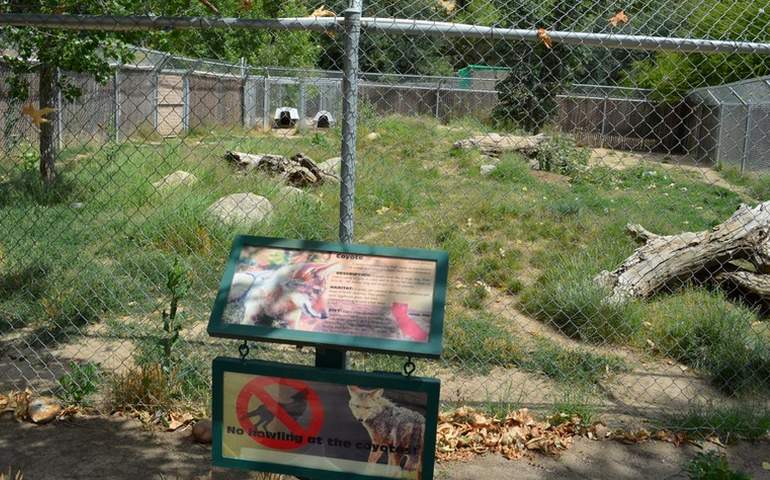
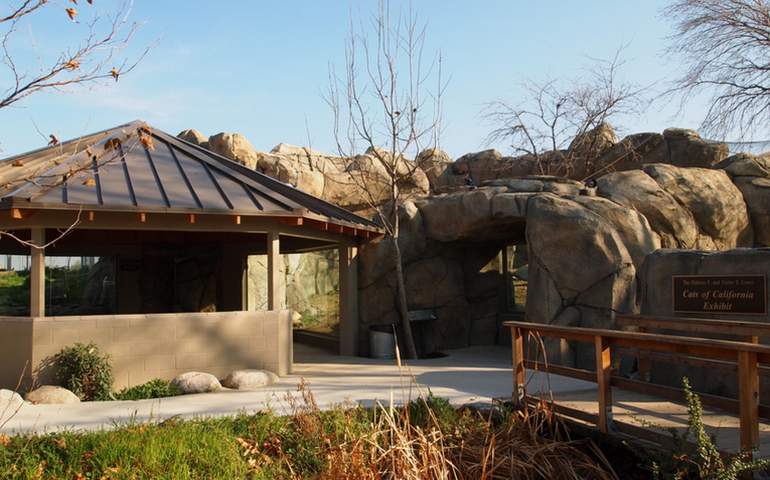
Mammals include American black bears in a spacious open exhibit, mountain lions and bobcats in the Cats of California area, coyotes, gray foxes, red foxes, ringtails, porcupines, mule deer, and the elusive San Joaquin kit fox. Bird-of-prey enclosures house golden eagles, bald eagles, red-tailed hawks, ferruginous hawks, great horned owls, and barn owls. The waterfowl pond attracts resident mallards and seasonal migrants. An underground reptile house features Gila monsters, California kingsnakes, western rattlesnakes, desert tortoises, and other native reptiles and amphibians.
Native California Gardens
Botanical collections reinforce the regional theme. “Trees of California” displays species from both the western and eastern sides of the Sierra. A miniature riparian corridor traces the path of the Kern River from mountain headwaters to the valley floor. Desert plantings showcase the tough, drought-adapted flora of the Mojave. Altogether, the grounds support more than 1,500 plant species that help create authentic micro-habitats for the animals.
Family Favorites and Hands-On Experiences
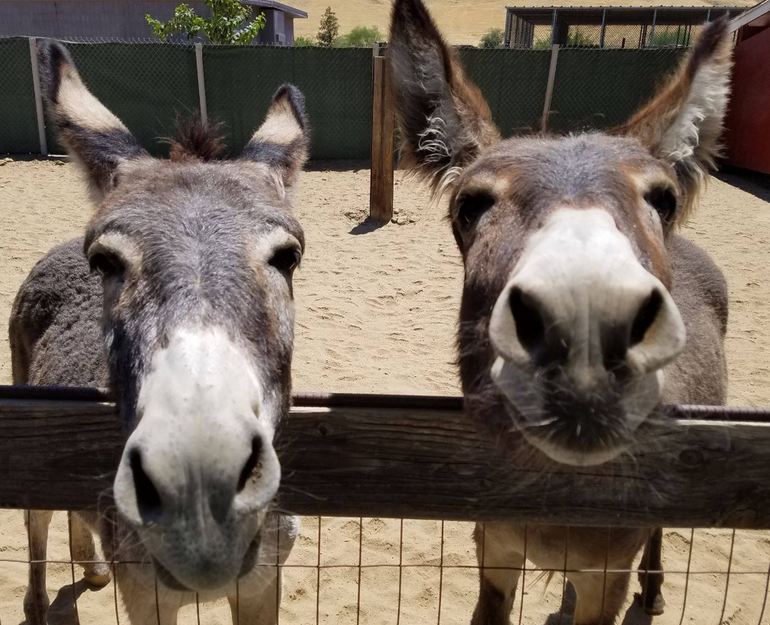
Younger visitors gravitate toward the contact area, where domestic animals offer a chance for gentle interaction under staff supervision. The butterfly and hummingbird gardens add color and movement, especially in warmer months. Interactive discovery rooms inside the DiGiorgio Education Center rotate activities that encourage kids to touch, build, and explore.
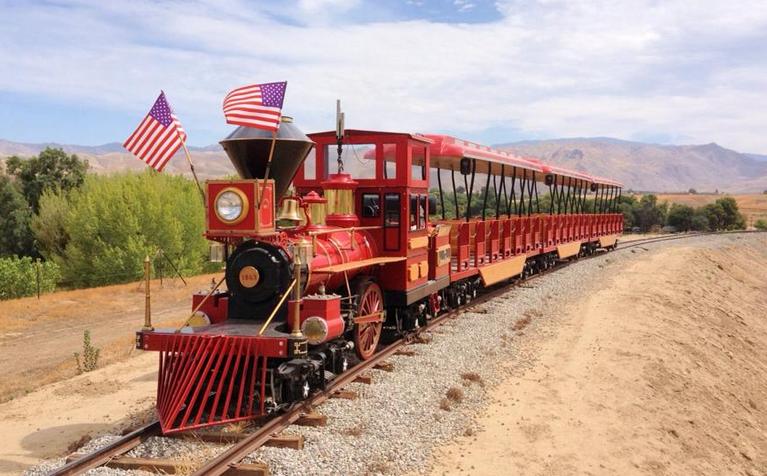
One of the most popular attractions remains the Central California Children’s Railroad. This volunteer-run miniature train takes riders on a short loop through the grounds with views of the Kern County foothills. Rides are typically available on weekends and during special events (check the day’s schedule, as hours can vary with weather and volunteer availability). Unlimited rides usually cost just a couple of dollars per person, making it an easy add-on for families.
The DiGiorgio Education Center also houses a gift shop, a small library, and a fossil exhibit featuring Miocene and Pleistocene specimens from the region. These indoor spaces provide a useful break from the sun and a chance to dig deeper into the natural history of the southern San Joaquin Valley.
Wildlife Rehabilitation and Conservation Mission
Behind the public exhibits is a busy rehabilitation program. CALM receives between 300 and 500 injured or orphaned animals each year. Staff and trained volunteers provide medical care and recovery space with the primary goal of releasing animals back into suitable habitat. Animals that cannot survive in the wild become educational ambassadors. This dual role—public zoo and working rehab facility—gives the place a practical, working character that many larger institutions lack.
The Zoological Association of America accredits CALM and continues to refine its long-term master plan. Leadership has publicly discussed ambitions to grow into a premier destination focused entirely on California native species, including potential future expansions such as additional large carnivore exhibits.
Seasonal Events and Special Programs
The calendar stays active year-round. Summer brings evening and family-focused events such as Ice Cream Zoofari. October features Boo at the Zoo, a Halloween tradition with costumes and themed activities. Winter lights turn the grounds into a glowing holiday display from December into early January. Mother’s Day and Father’s Day often include special experiences such as Tea with the Tortoises or Breakfast with the Bears. School programs, birthday parties, and private events at The Willows venue keep the site busy beyond regular public hours.
Information for Your Visit
Hours: Tuesday through Sunday, 8:00 a.m. to 2:00 p.m. Last ticket sales and admission close at 1:00 p.m. The zoo is closed Mondays. On days when temperatures are forecast to exceed 105°F, the facility may close at noon for animal welfare. Always confirm current hours on the official website before driving out.
Admission: Adults $12, seniors (60+) $9, children ages 3–12 $8, children 2 and under free. Mid-week discounts sometimes appear (for example, 50% off on Tuesdays–Thursdays during certain summer periods). Tickets are best purchased online in advance for faster entry.
Location: 10500 Alfred Harrell Highway, Bakersfield, CA 93306. The site sits adjacent to the lower Kern River, roughly 15–20 minutes from central Bakersfield depending on traffic. Parking is available on site.
Plan on two to three hours for a relaxed visit. The grounds are almost entirely outdoors, so comfortable walking shoes, sun protection, and water bottles are essential. Filtered water stations are available for refills. Guests are welcome to bring picnic lunches and use the outdoor tables. Strollers and wheelchairs can be rented on a first-come basis when available. Most pathways are relatively level, though some areas involve gentle slopes.
California Living Museum Frequently Asked Questions
Is the California Living Museum good for young children?
Yes. The scale is manageable, the contact area and train ride appeal to younger kids, and the focus on familiar California animals helps hold their attention. Discovery rooms inside the education center add interactive options when little legs need a break.
How long should we plan to spend there?
Most families find two to three hours sufficient. Serious animal watchers or those attending a special event may stay longer.
Are there food options on site?
No full-service café currently operates. Visitors are encouraged to pack a picnic. Water refill stations are available.
Is the train always running?
The Central California Children’s Railroad operates primarily on weekends and during special events, weather and volunteer availability permitting. Confirm on the day of your visit or check the website.
Can we see animals being rehabilitated?
The active rehab areas are not open to the public for safety and stress-reduction reasons. Permanent residents that cannot be released are on exhibit and form the core of the collection.
Is the zoo accessible?
Most pathways are suitable for strollers and wheelchairs. Some rental equipment is available. Call ahead if you have specific mobility needs.
What is the best time of year to visit?
Spring and fall offer the most comfortable temperatures. Summer mornings are pleasant before the heat builds; the early closing time helps avoid the hottest part of the day. Winter lights create a completely different atmosphere.
Why Visit CALM
A visit to CALM delivers something increasingly rare: a zoo that stays true to its place. By limiting the collection to California native species and pairing public exhibits with genuine rehabilitation work, the museum gives visitors a clearer picture of the animals that share the landscape of the southern San Joaquin Valley and the surrounding mountains and deserts.
Check the official site for the latest hours, ticket options, and event calendar before you go, then set aside a morning to walk the paths, watch the animals, and connect with the living California that still thrives just outside the city limits.
Discover more from Daytrippen.com
Subscribe to get the latest posts sent to your email.