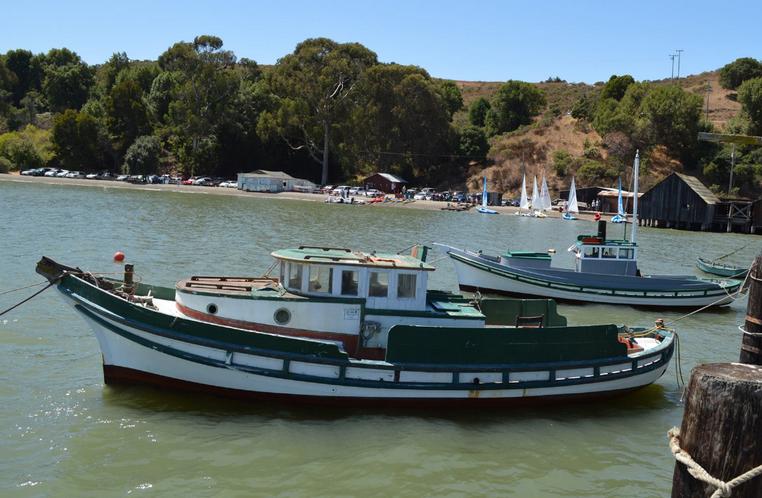
China Camp State Park Guide – History, Hiking, & Camping
Just a short drive north of San Francisco along the eastern edge of Marin County sits one of the Bay Area’s most rewarding and under-the-radar state parks. China Camp State Park spreads across roughly 1,500 acres of oak woodlands, open grasslands, and more than 100 acres of protected tidal salt marsh on the shores of San Pablo Bay. The park delivers sweeping water views, excellent multi-use trails, a sandy beach, and a rare surviving Chinese fishing village that once thrived here in the late 1800s. Whether you come for a few hours of hiking and history or a full day of picnicking, paddling, and exploring, China Camp rewards curiosity at every turn.
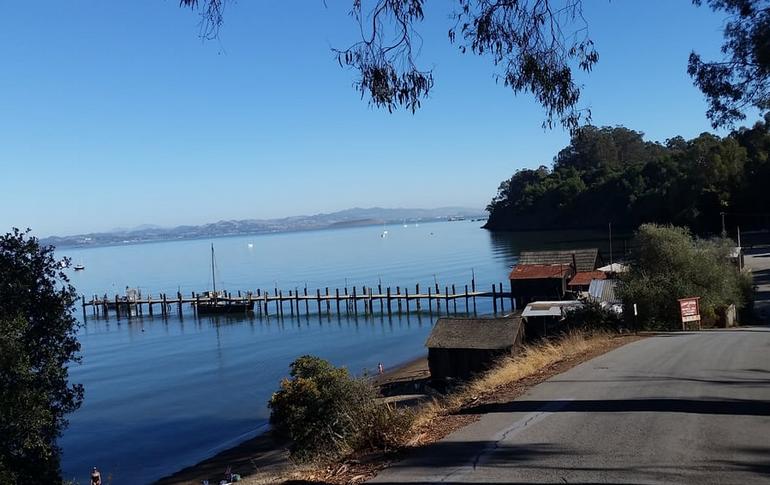
A Living Window into Bay Area History
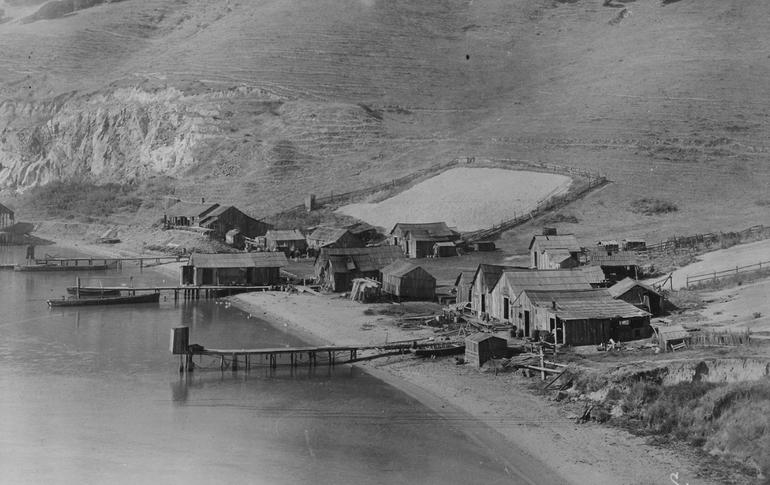
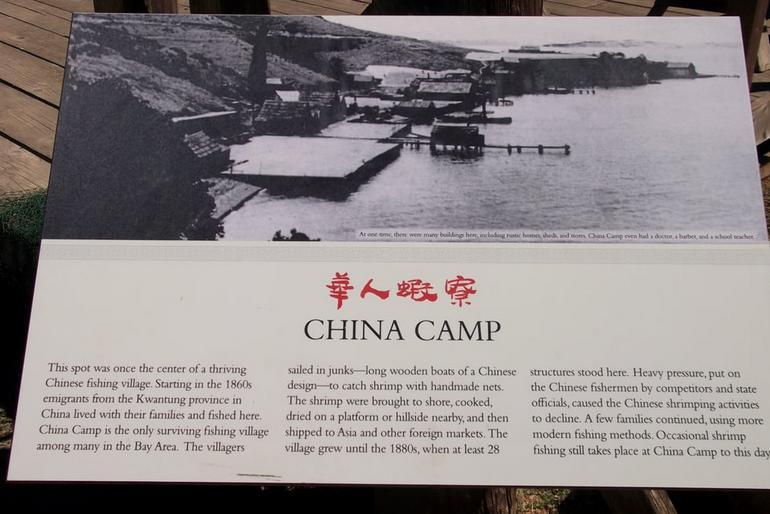
Long before European settlers arrived, Coast Miwok people lived along these shores for thousands of years, harvesting resources from the rich estuarine environment. In the 1870s and 1880s, Chinese immigrants—many from the Pearl River Delta region—established a shrimp-fishing village here. At its peak, the community numbered around 500 residents and featured general stores, drying platforms, processing sheds, and a busy waterfront. Fishermen dried most of their catch and shipped it to Chinese communities across the United States and back to China.
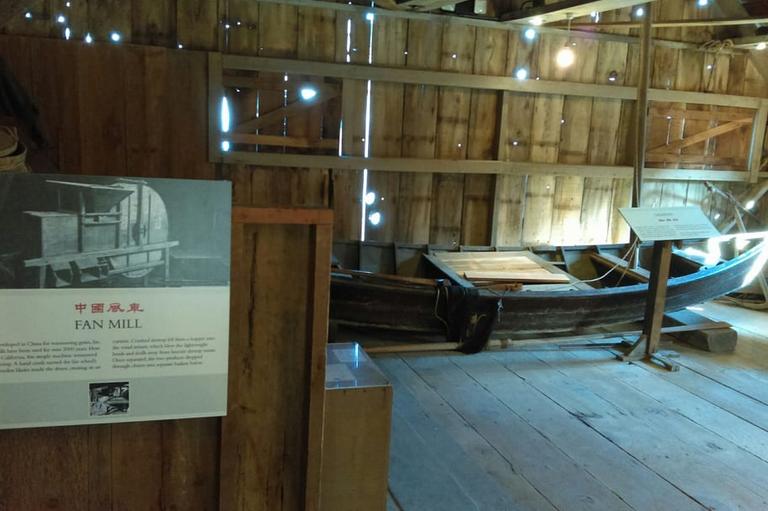
Chinese-American History Museum
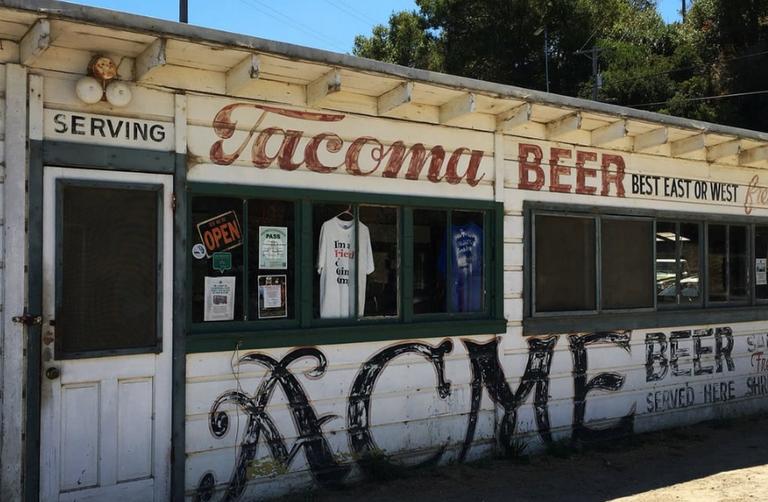
Restrictive fishing laws, the Chinese Exclusion Act, and later environmental changes gradually reduced the village. One family, the Quans, stayed longer than most. Frank Quan, the last resident shrimper, lived at China Camp into his 90s and passed away in 2016. Today the small cluster of remaining buildings, a pier, and a modest museum preserve that chapter of Chinese-American history. The museum is open during park hours and offers a clear look at daily life, tools, and photographs from the village’s working years. On weekends, the historic Quan Brothers snack shop usually opens for sandwiches, drinks, ice cream, and cold beverages—staffed by volunteers who keep the tradition alive.
Every August, Friends of China Camp hosts Heritage Day at the village. The 2026 celebration is scheduled for August 22 and typically features lion and dragon dancers, traditional music, food, crafts, and guided tours. It is one of the liveliest days of the year to experience the park’s cultural roots.
Trails, Wildlife, and Open Space
China Camp offers about 15 miles of multi-use trails open to hikers, mountain bikers, and equestrians. The Shoreline Trail and Bay View Trail combinations create satisfying loops with bay views, oak woodland, and open meadows. One of the easiest and most popular options is the Turtle Back Nature Trail—a mostly flat three-quarter-mile loop that stays open only to foot traffic (strollers and wheelchairs welcome). Interpretive panels explain the salt marsh ecosystem, and the trail gives close-up views of pickleweed, mudflats, and the birds that depend on them.
Wildlife is abundant. More than 100 bird species have been recorded. Deer and wild turkeys are common. Bobcats and the occasional golden eagle appear for patient observers. In spring, the hillsides and meadows burst with wildflowers. Over 40 fish species inhabit the surrounding bay waters, and the tidal marshes remain among the most intact left in the San Francisco Bay system.
Kayakers and paddleboarders can launch non-motorized craft at China Camp Village or Bullhead Flat. Check the tides carefully—low water turns the shoreline into extensive mudflats. Swimming is possible at the village beach when conditions allow, though the water stays cool most of the year.
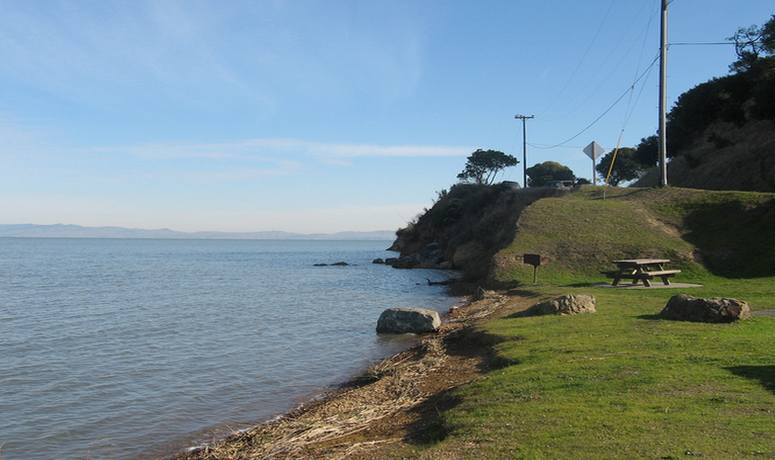
Picnics with a Bay View
Three main picnic areas serve different group sizes. Buckeye Point and Weber Point sit right along the bay and accommodate up to 50 people each. Both offer tables, charcoal grills, and flush toilets with excellent water views. Miwok Meadows, set inland among oaks and bay trees, handles larger gatherings of up to 200 and includes a horseshoe area. Reservations are recommended for the bigger sites, especially on weekends. Smaller first-come spots exist near China Camp Point and the village itself.
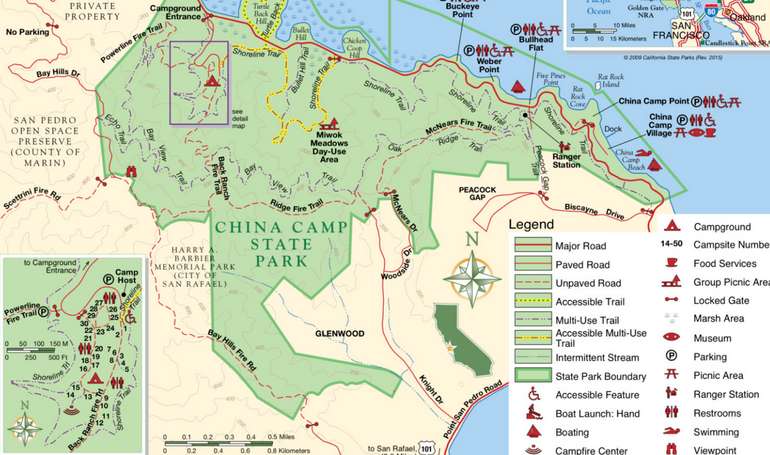
Camping at China Camp, Back Ranch Meadows
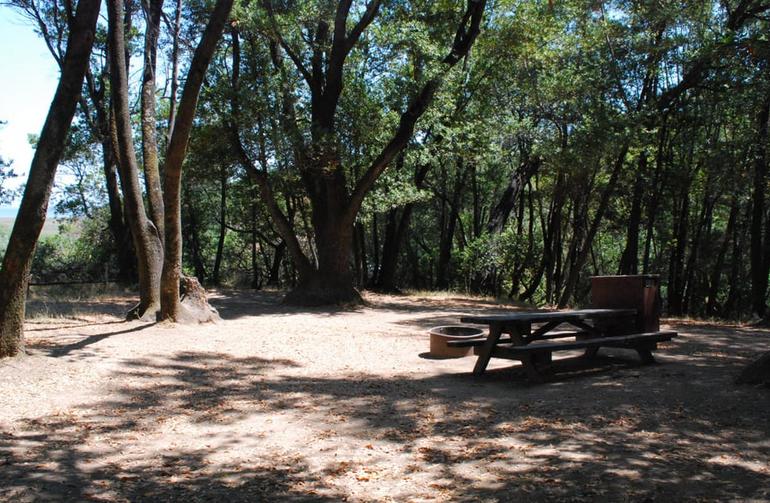
Tent campers will find a quiet, wooded experience at Back Ranch Meadows Campground on the northwest side of the park. The 30-plus sites are walk-in only; you park and carry gear 50 to 300 yards (rolling carts are often available). Each site accommodates a maximum of 8 people and includes a picnic table, a fire ring, and a food locker. Hot showers and flush toilets are provided. Reservations are made through ReserveCalifornia and run $35 per night. Check-in is after 2 p.m.; checkout is noon. Self-contained RVs may use the en-route area for one night on a space-available basis—no hookups or dump station. The campground gate closes from 9 p.m. to 8 a.m., though after-hours access is possible with advance notice.
Details for a Smooth Visit
Dogs are welcome only in developed areas—campground, picnic sites, paved roads, and the beach at China Camp Village—and must stay on a six-foot leash. They are not allowed on trails, dirt roads, backcountry areas, or historic buildings. Poison oak grows in places, so long pants and awareness help. Cell service is spotty in many parts of the park.
The climate here is often clearer than San Francisco’s. Locals note roughly 200 fog-free days a year. Summer days commonly reach the 70s; winter is cooler and damper. Layers remain the smartest clothing choice year-round.
Junior Ranger programs run periodically throughout the year for children (typically ages 6–12, with some events open to younger kids when accompanied by an adult). Themes range from marsh exploration to wildlife observation. Check the Friends of China Camp events calendar for the current schedule—many sessions are free or ask only a small donation, and registration is often required.
Making the Most of Your Day
Arrive early on sunny weekends; the main parking lots fill. Start at the village for history and a snack, then head out on Turtle Back or a longer Shoreline–Bay View loop. Bring binoculars for birds, a picnic, and curiosity about the layers of human and natural history that share this shoreline. The combination of open space, cultural memory, and easy access from the Bay Area makes China Camp an especially satisfying day trip—or an easy overnight escape when you want more time under the oaks.
Whether you come for the trails, the quiet beach, the museum, or simply the wide view across San Pablo Bay, China Camp State Park delivers a rich mix of nature and history without the crowds found at more famous Marin destinations. Support the nonprofit that keeps it running, respect the fragile marsh and historic structures, and you will leave with a deeper appreciation for this distinctive corner of the California coast.
Frequently Asked Questions About Visiting China Camp State Park
How much does it cost to visit China Camp State Park?
Day-use parking and trail access are approximately $5 per vehicle (covers up to four people). A trail-only pass is about $3 per person. Camping is $35 per night. California State Parks annual passes are accepted. Fees support park operations through Friends of China Camp.
Are dogs allowed?
Leashed dogs are permitted only in developed areas: the campground, picnic sites, paved roads, and the beach at China Camp Village. Dogs are prohibited on all trails, dirt roads, and in backcountry or historic areas.
Is the historic village museum open every day?
The museum is open during regular park hours (8 a.m. to sunset). The Quan Brothers snack shop typically operates on weekends for food and drinks.
Can I kayak or swim?
Yes. Non-motorized watercraft can launch at China Camp Village and Bullhead Flat. Always check tide charts—low tides expose extensive mudflats. Swimming is possible at the village beach when conditions are suitable; the water is usually cool.
When is Heritage Day?
Heritage Day is held in August. In 2026 it is scheduled for August 22 and features cultural performances, food, and activities celebrating Chinese-American heritage and the park’s history. Confirm details on the Friends of China Camp website.
Do I need reservations for camping or large picnics?
Camping reservations are strongly recommended through ReserveCalifornia. Larger picnic areas (especially Miwok Meadows) should be reserved in advance by contacting the park. Smaller picnic spots are first-come, first-served.
12 Bucket List Hidden Gems in Northern California You Need to Visit
Discover more from Daytrippen.com
Subscribe to get the latest posts sent to your email.