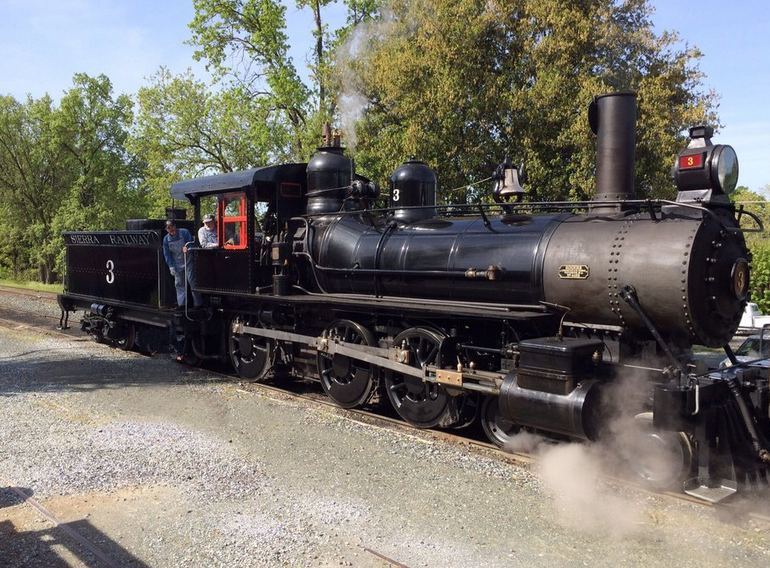
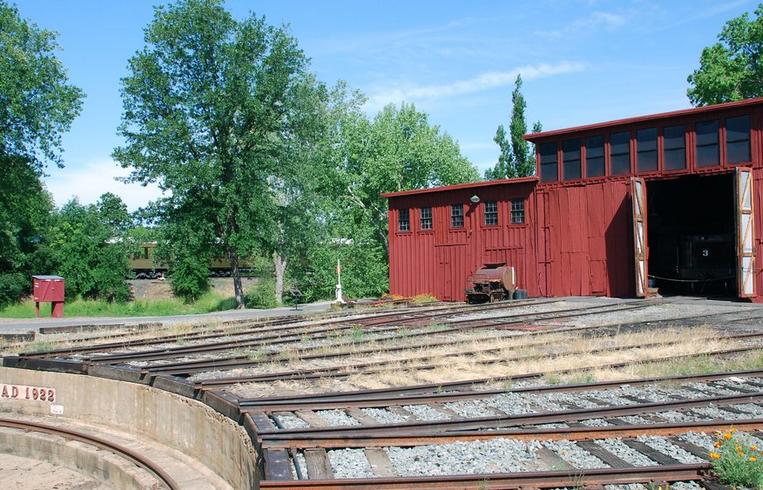
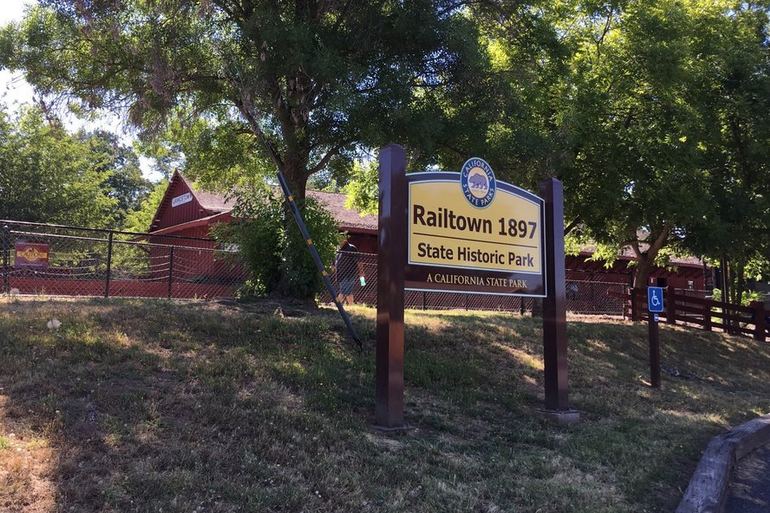
California history comes alive at Railtown 1897 State Historic Park, where the unique architecture of its buildings along Main Street is a testament to the past. The park has preserved a still-functioning steam locomotive repair and maintenance facility, with parts dating back to 1897. Once a town that thrived during the California Gold Rush, Jamestown is now designated as a California Historical Landmark. While there are lots of things to do in the small downtown area, many visitors come to see the town’s main attraction — Railtown 1897.
What to See at Railtown
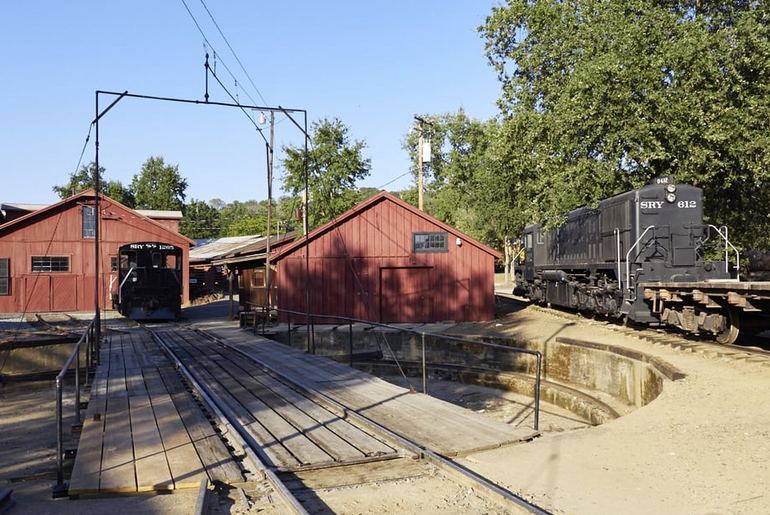
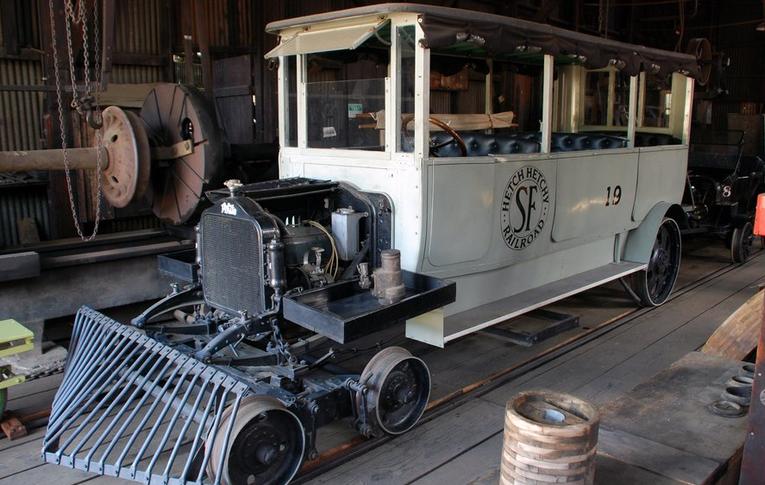
Overview: This 26-acre park preserves an authentic steam locomotive repair facility, featuring a working roundhouse, turntable, blacksmith shop, and the Sierra Railway Shops, which is designated as a California Historical Landmark. Known as “The Movie Railroad,” the site has appeared in over 200 films and television shows, including High Noon, Back to the Future Part III, and Petticoat Junction.
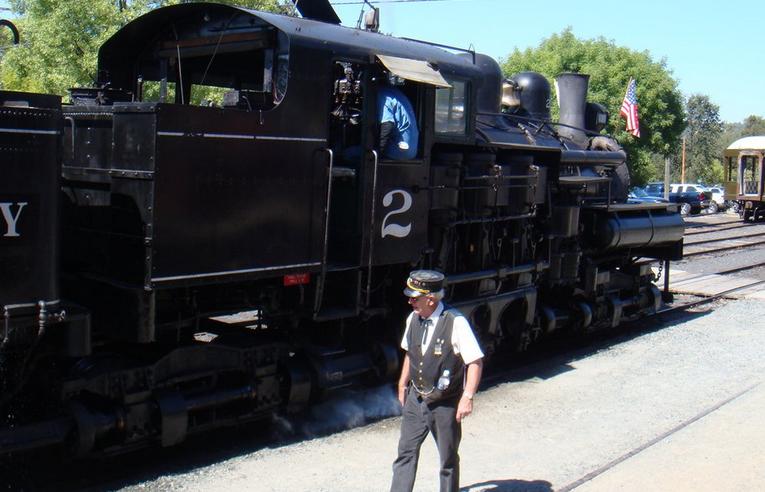
On arrival, guests will want to visit the park’s Depot Store, where complimentary maps are available to point out the park’s areas of interest, including a movie prop spot, plus locations where guests can look into the roundhouse facility in which locomotives and cars are inspected, repaired, and rebuilt just as they have been for the past century.
Types of Train Rides:
Railtown Train Rides: Available weekends (Saturday–Sunday, 11 AM–3 PM, April–October) on historic steam or diesel locomotives through scenic Gold Country. Special themed rides include the Polar Express and Harvest Haunt Express. Tickets should be purchased online, especially for holidays, as they can sell out quickly.
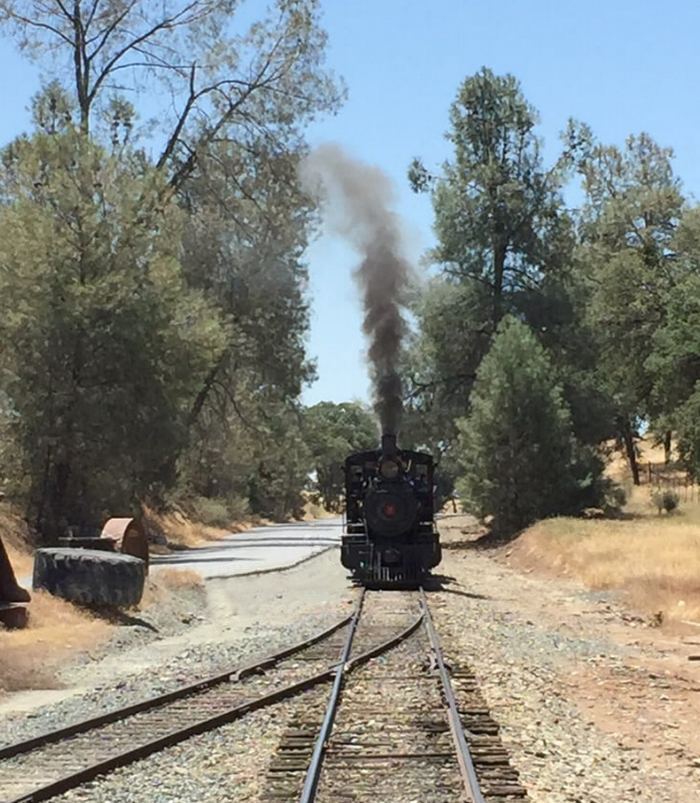
Regular Excursion Trains: A 6-mile loop through rolling hills, oak groves, and historic Gold Country landscapes, often passing ranches and remnants of mining history.
Locomotives: Rides alternate between steam (e.g., Sierra No. 3, a 1891 steam locomotive and movie star) and diesel engines, depending on maintenance schedules. Steam is the highlight, with its authentic chugging and whistle.
Rail Cars: Options include open-air gondolas (ideal for enjoying the views, weather permitting) and enclosed coaches (more comfortable for cooler days). Some cars are historic, featuring wooden interiors that reflect the 19th/early 20th centuries.
Train Ride Accessibility: Limited accessibility is available due to the historic railcars. Open-air gondolas and some coaches require climbing steps, and narrow doors may not accommodate wheelchairs. Contact the park in advance to arrange accommodations or confirm if an accessible car is available.
Tour of the Facilities: Guided Roundhouse Tours – Daily tours showcase locomotive repair and movie props. Visitors praise knowledgeable guides like Tom or Steve, although some find the tours to be technical. Self-Guided Tours: Explore the grounds, historic trains, and movie memorabilia, including plaques for films like Petticoat Junction.
Railtown Food & Drinks:
Food is not allowed on the trains, except during special themed events like the Polar Express, which includes cocoa and cookies. Please bring water with you; snacks can be purchased at the Depot Store or at nearby eateries in Jamestown. After your ride, consider exploring Jamestown’s historic main street, located just 0.5 miles away, for dining and shopping options. You can also visit Columbia State Historic Park, just a 10-minute drive away, to learn more about the Gold Rush history.
Getting to Railtown 1897 State Historic Park
Railtown is conveniently located near Sacramento or San Francisco, making it an ideal destination for a day trip. The park is easily accessible from Highway 49, en route to Jamestown. However, just before reaching the historic little town, turn left and head south on Fifth Avenue for approximately one mile until you reach the park’s entrance. Address: 10501 Reservoir Rd, Jamestown, California. Website.
Nearby California God Country Towns
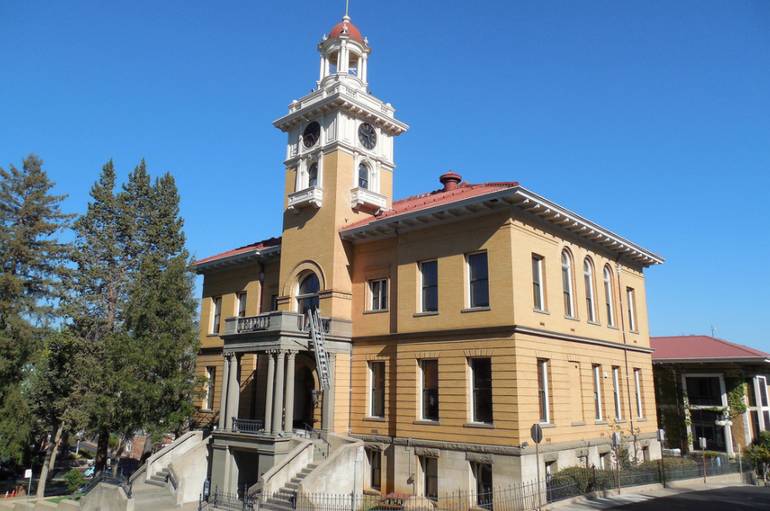
Sonora, California (3 miles north): Established in 1848 by Mexican miners, Sonora became the county seat and a major Gold Rush hub. It was known for its vibrant mining community and is home to St. James’ Episcopal Church (1859), a picturesque redwood Carpenter Gothic structure. Attractions: The Tuolumne County Museum, historic buildings along Washington Street, and nearby gold panning opportunities. The town retains its 19th-century charm with antique shops and restaurants.
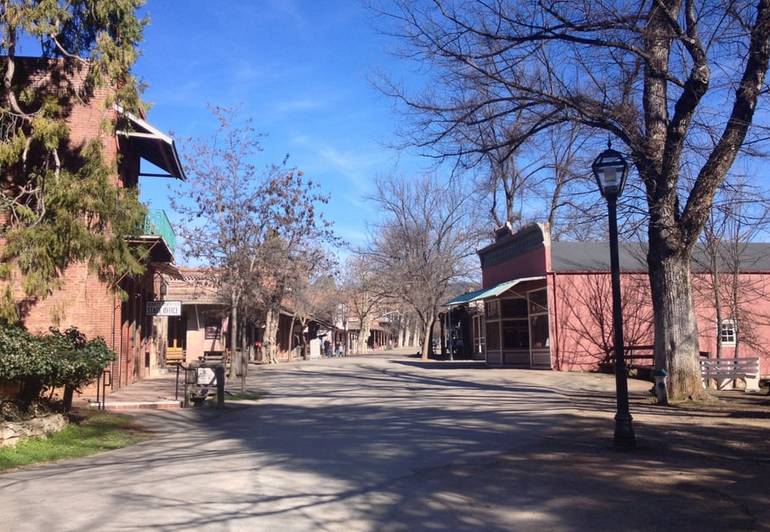
Columbia, California (6 miles north): Known as the “Gem of the Southern Mines,” Columbia was one of the richest Gold Rush towns, yielding millions in gold. Now a State Historic Park, it’s a living history town with preserved 1850s buildings, stagecoach rides, and gold panning. Attractions: Columbia State Historic Park offers immersive experiences, including gold panning, a working blacksmith shop, saloons, and the Wilson-McConnell House, featured in the film High Noon. Most of Colombia is dog-friendly.
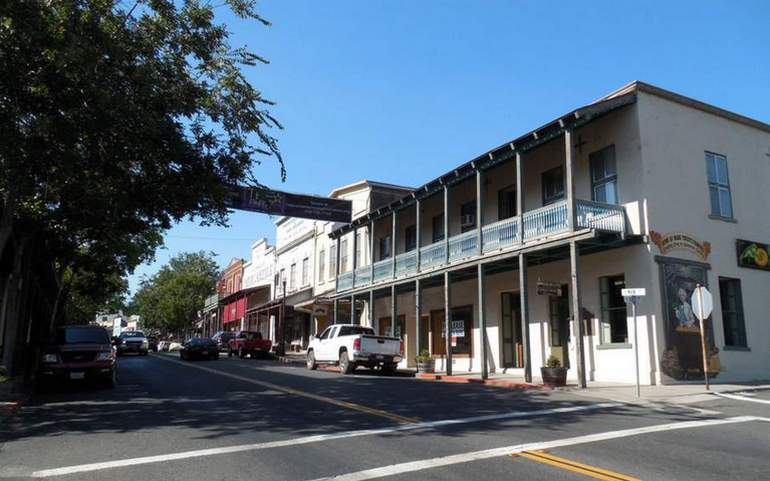
Angels Camp, California (12 miles northwest): Named after Henry Angel, who established a trading post in 1848, Angels Camp boomed during the Gold Rush. It’s famously linked to Mark Twain’s short story “The Celebrated Jumping Frog of Calaveras County.” Attractions: The Angels Camp Museum, gold panning sites, and the annual Calaveras County Fair and Jumping Frog Jubilee. Nearby Moaning Caverns offers underground tours.