- 21
- 43shares
From Miners’ Bath to Algae Oasis: The True Story Behind Dirty Socks Hot Spring
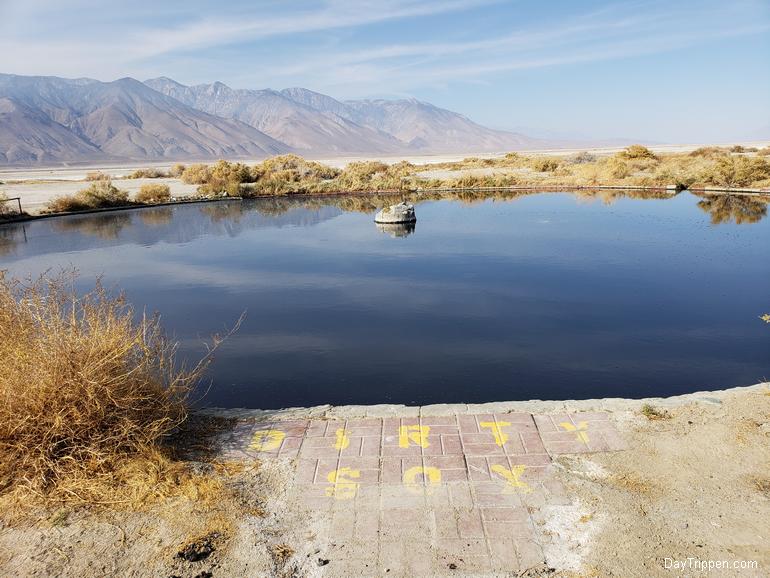
Dirty Socks Hot Spring is located on the southeast side of Owens Lake near Olancha, California. The spring consists of a sizeable concrete-lined pool fed by an underground spring. The natural hot spring water has a distinct odor like dirty socks.
While it is unclear how the springs got their name, legend has it that miners from the Cerro Gordo mine and prospectors used the thermal pool for their annual baths and to wash their dirty clothes. Socks were always lost in the pool, which gave off an unpleasant odor from the volcanic sulfur in the surrounding earth.
Dirty Socks Hot Spring Water Temperature
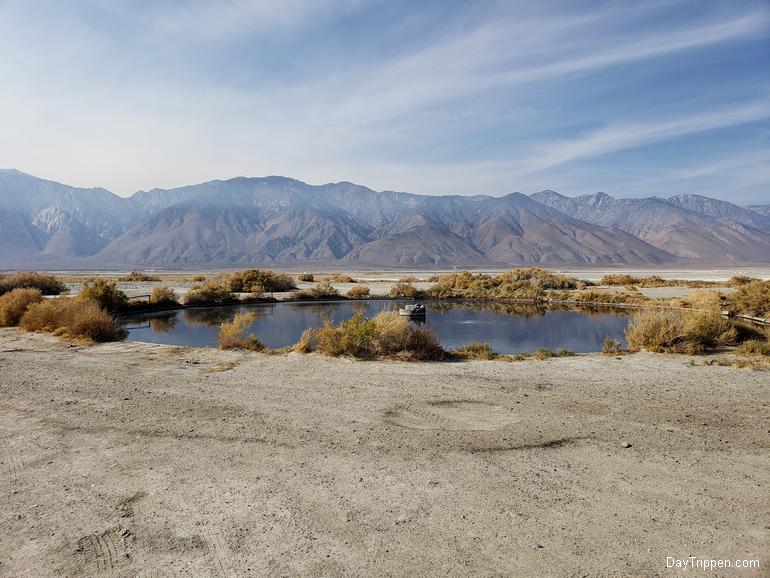
Dirty Socks Hot Spring has a diameter of 78 feet and a constant water temperature of 94 degrees. The pool is supplied by an artesian well, which flows approximately 200 gallons per minute. The water primarily contains calcium, magnesium, and sulfates. It is worth noting that no dirty socks have been found in the pool.
Digging For Fresh Water
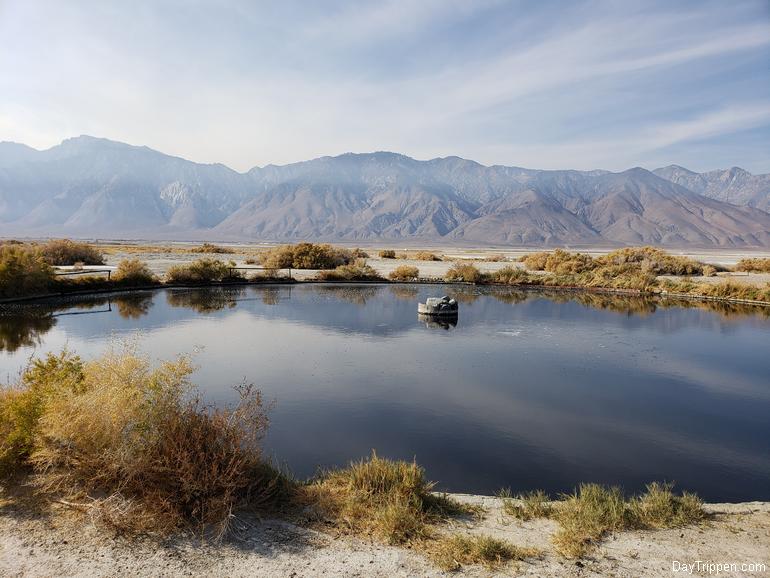
In 1917, a well was dug to find fresh water, but warm water was discovered several hundred feet deep, ending the search. This well was left undisturbed, creating a shallow, warm lake. In 1927, a health spa with a concrete pool and several buildings was constructed on the site. However, the resort was abandoned within ten years, and all the buildings were demolished. The hot spring remained a secluded camping spot and was later developed into a county park.
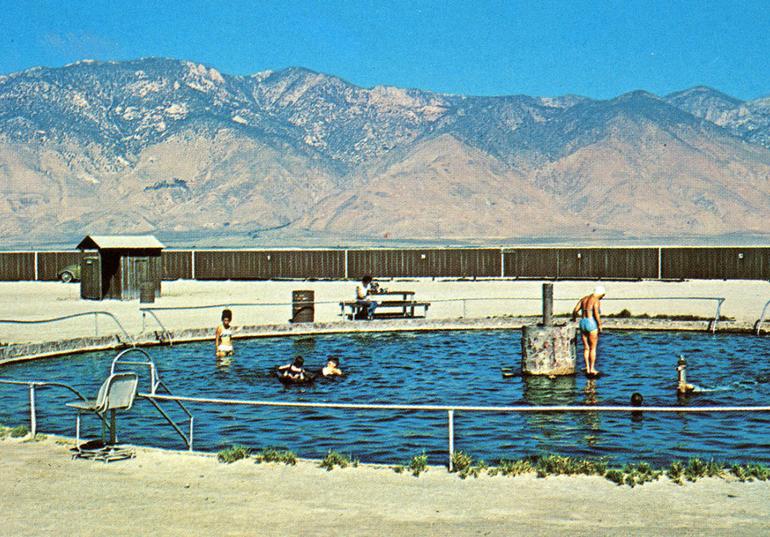
Dirty Socks Hot Spring County Park
In 1965, the Hot Spring and the surrounding 45 acres were designated as an Inyo County Park, named Dirty Sock Hot Spring. The lease on the land was valid for 50 years and could only be terminated early. Restrooms and a picnic area were constructed to enhance the park, trees were planted, and the entrance road was paved. As a result of these efforts, the Hot Spring became a popular destination for locals and tourists, who often arrived with their campers and trailers.
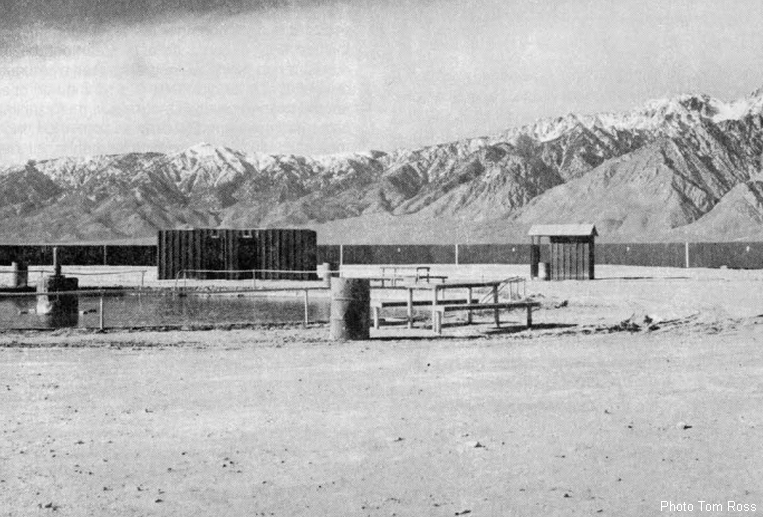
Unfortunately, the park’s maintenance proved to be a bigger challenge than the county had anticipated. The lack of firewood led to the burning of signs, which had to be constantly replaced. The growth of green algae seemed never-ending and required weekly removal to keep the pool clear. The trash cans were riddled with bullet holes, and vandalism became a significant issue. Consequently, on October 17, 1978, Inyo County closed the park permanently.
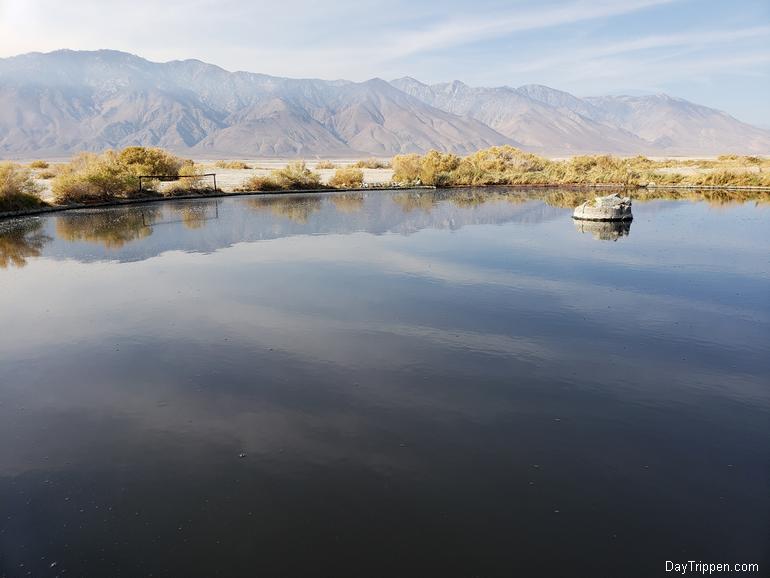
Dirty Socks Hot Spring Today
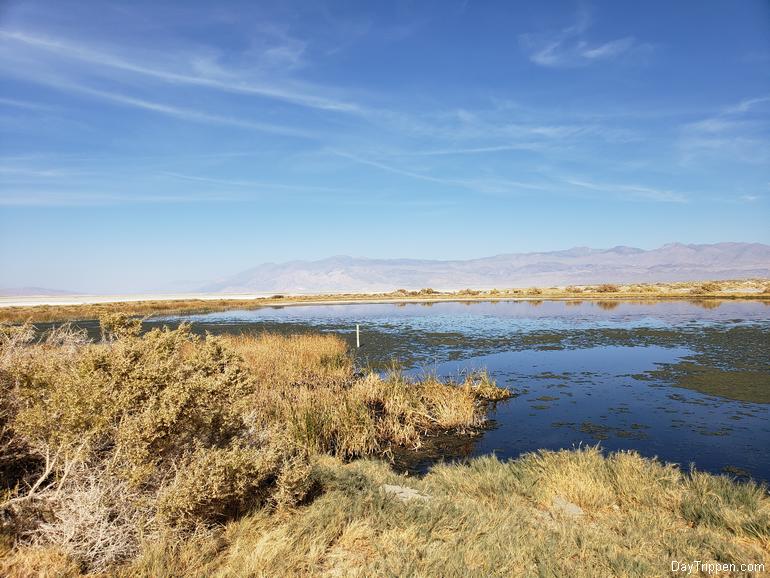
The only remnants of the county park are the building foundations. Although the concrete pool and some metal railings still stand, they are surrounded by a thick layer of green algae, making the water uninviting to most visitors. Despite this, some brave souls still dip in the pool, while other travelers pass by without even noticing the nearby Hot Spring, where a few campers still stay. We don’t recommend soaking in Dirty Socks Hot Spring. But if you’re traveling on Highway 395 near the largely dry Owens Lake, it is well worth a look, especially now that you know its history.
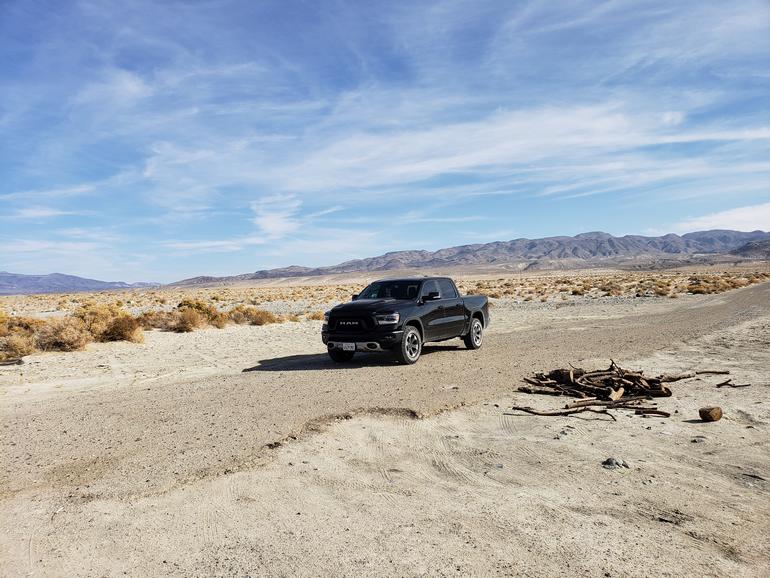
Where is Dirty Socks Hot Spring
To reach the Dirty Socks hot spring from the junction of Highway 395 and CA-190, you need to drive east on 190 for just under five miles. Once you pass under some power lines, take a left onto a paved single-lane road. Continue moving forward on this road until you reach the concrete pool. The hot spring offers incredible views of the mountains, but you may also notice an unpleasant odor. The original name for this hot spring was Dirty Sock, not Dirty Socks, as most people call it.
Frequently Asked Questions about Dirty Socks Hot Spring
Why is it called Dirty Socks Hot Spring?
The water has a strong sulfur smell from volcanic earth in the area, reminiscent of dirty socks. Local legend says miners and prospectors from nearby Cerro Gordo washed clothes (and lost socks) in the pool, adding to the name—no actual socks have been found in the water!
What is the current status of the Hot Spring?
The site is privately owned (has been for sale for years) and is no longer a county park (it was closed permanently in 1978 due to vandalism, trash, and algae issues). It’s still accessible as a roadside stop, with some people camping nearby or dipping in, but it’s unmaintained, overgrown, and often covered in thick green algae.
Is it safe to soak in the hot spring?
Not recommended. The water is around 90–94°F (lukewarm, depending on the season), but algae, broken glass, trash, and debris make it uninviting and risky. Many visitors wear water shoes if they dip in at all—proceed at your own risk.
How hot is the water, and what’s in it?
It flows at a constant temperature of ~94°F from an artesian well (about 200 gallons per minute) and is rich in calcium, magnesium, and sulfates. It’s more “warm” than scalding hot.
Are there any nearby attractions?
Yes! Views of the dry Owens Lake playa, distant Sierra Nevada mountains, Owens Lake Trails Plaza (great for birdwatching, especially snowy plovers), Keeler ghost town, and dunes. It’s a quick detour off Highway 395.
Can I camp there?
Informal camping happens nearby (level desert spots), but no official facilities remain—no restrooms, picnic tables, or overnight rules enforced. Respect private land boundaries.
Nearby Dirty Socks Hot Springs Points of Interest
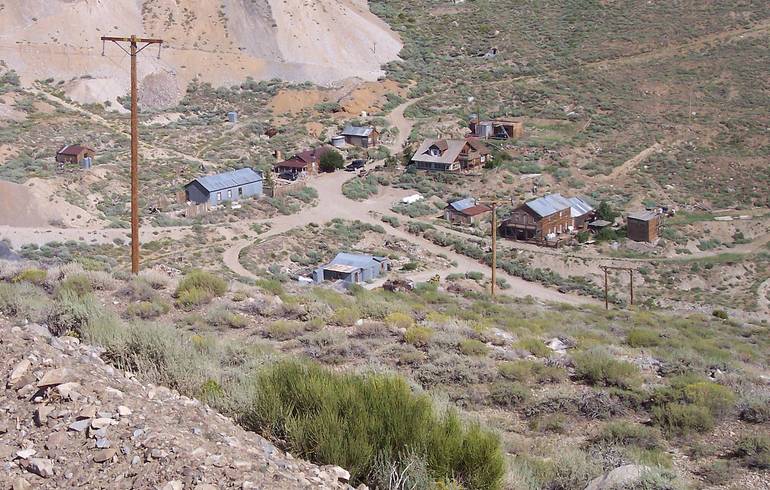
Cerro Gordo Ghost Town Above the Owens Lake
Anyone interested in early mining machinery and techniques will be fascinated by a visit to Cerro Gordo. Most of the mines were open pits and relatively primitive. But old mine ore cars, safes, and drilling equipment are still on the site. Inside the Union Mill building is a relatively well-preserved and sizable air compressor. Visitors can explore the town every day of the week from 9 am to 5 pm. There is no need to make an appointment—a 4WD vehicle to drive 8 8-mile dirt road to Cerro Gordo Ghost Town. Check in at the visitor center (Cerro Gordo Museum) before you explore the area.
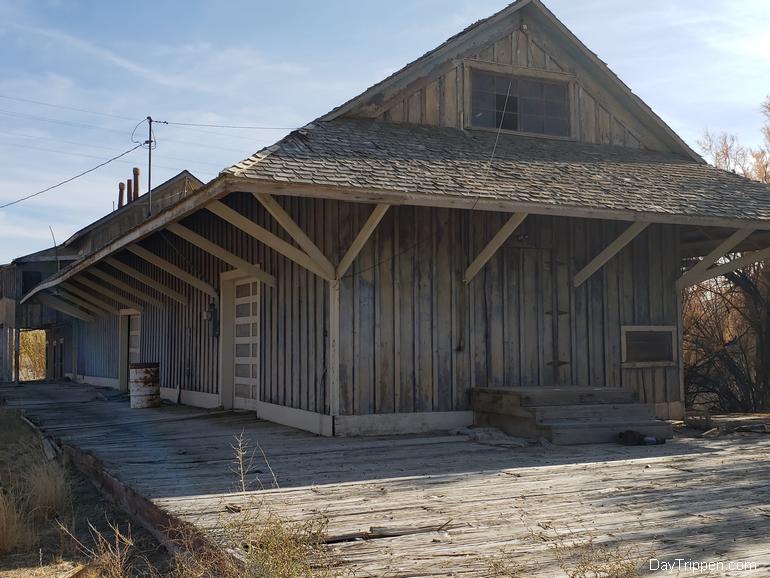
Explore The Semi-Ghost Town of Keeler
Keeler, California, was originally called Hawley and later renamed after Julius M. Keeler. During its peak, the town boasted a train station, a 300-foot pier, a public swimming pool, and several hotels. The town’s prosperity was closely tied to the mining industry, which drew miners, prospectors, and entrepreneurs from across the country. However, Keeler’s fortunes dwindled as the mining industry declined in the mid-20th century.
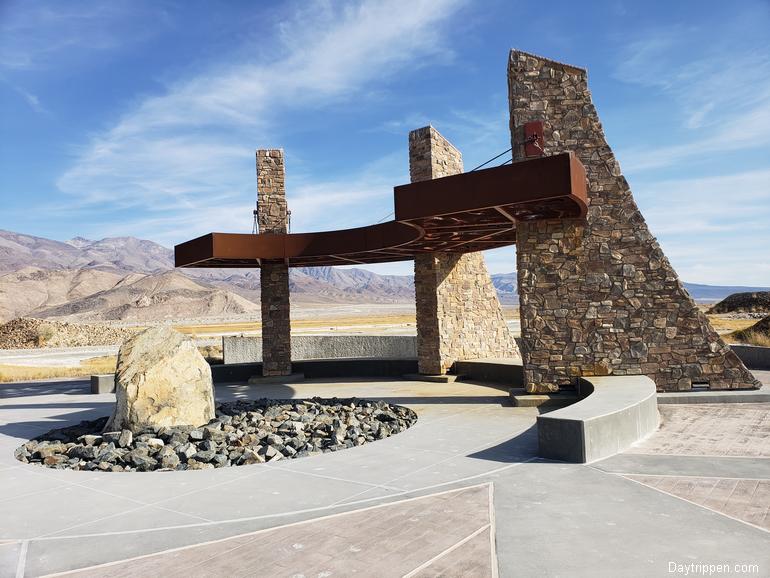
Restoring Owens Lake: Owens Lake Trails Plaza
The Plaza Trailhead is a popular spot that features the Plover Wing Plaza, designed in the shape of a Snowy Plover, a bird commonly seen in the Owens Lake area during spring and summer. The plaza has gravel paths and roads that lead visitors to marshes, habitat islands, reflecting ponds, and locations for observing local wildlife. The rocks used in the plaza to create the whitecaps also provide a natural habitat for reptiles, insects, and mammals.
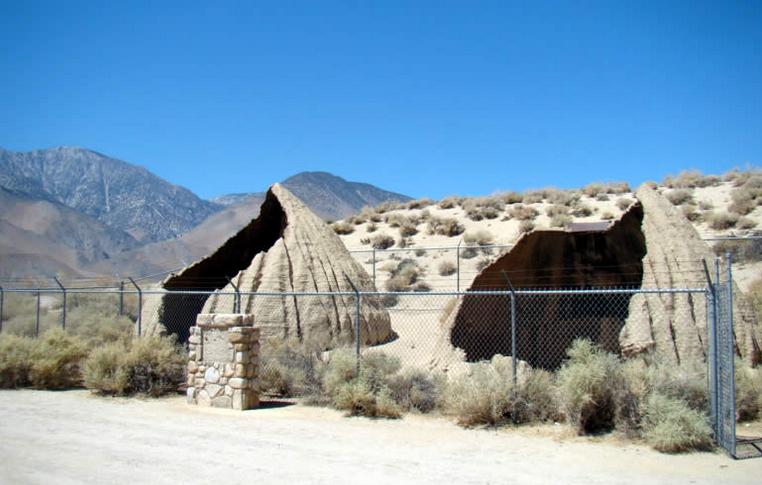
Cottonwood Charcoal Kilns
The Cottonwood Charcoal Kilns and the nearby Cerro Gordo Mines are significant parts of California’s mining history. Though the kilns are now in a state of decay, they can still be visited by taking a short detour off U.S. 395. They remind us of the resourcefulness and perseverance of the early settlers and entrepreneurs who worked diligently to extract the region’s abundant mineral resources.
Discover more from Daytrippen.com
Subscribe to get the latest posts sent to your email.
It’s not owned by Inyo County, it’s privately owned and has been for sale for years. The well is not 12,000 feet deep-it’s about 400 feet. Sadly it needs to be cleaned up but no one has stepped up to do so.
The article says the land was leased to the county, not owned. The depth of the well is up for debate, it was dug in 1917. I changed it to several hundred feet. When we visited, there was trash all over the area, and the remains of several campfire pits. Still an interesting stop along 395.
I & other off road motorcycle riders used to come here back in the late seventies to camp,& enjoy the quiet, the use of the hot springs l, meeting some of the locals out of the nearby town of Olancha. Back then there were the remains of the outhouses, quite a bit of the original fencing, & of course the hot springs pool that originally had a desert sand bottom. Over time someone drained the pool, & applied concrete, & the drain. When we camped there, we sold pickup the trash left behind, drain the pool by removing the iron plate cover near the broken remains of the fountain. So many memories I have of this wonderful landmark & all the people we met along the way. All I can say is if you ever are traveling on HWY 395 towards Bishop; take time to check out Dirty Soc. Adjacent to the West end of the Owens Dry Lake. Happy camping fishing hiking, etc. to those who are seeking places such as this place on the map. 😎
Run down these days but still worth a stop. Thanks for the interesting comment.
I was one of the locals. Had the Red School house for 24 years and spent many days at “Soxes “ and unfortunately you were right about the pool and surrounding area being destroyed. We still climb in the water, you wear tennis shoes, while cleaning the bottom of broken glass. It’s not for the faint of heart that’s for sure, but a cool dip. A ton of stories!!
Thanks for the comment Larry. I though I was being brave sticking my fingers in the pool. 🙂