Dublin Gulch: Exploring the Mysterious Miner Caves of Shoshone
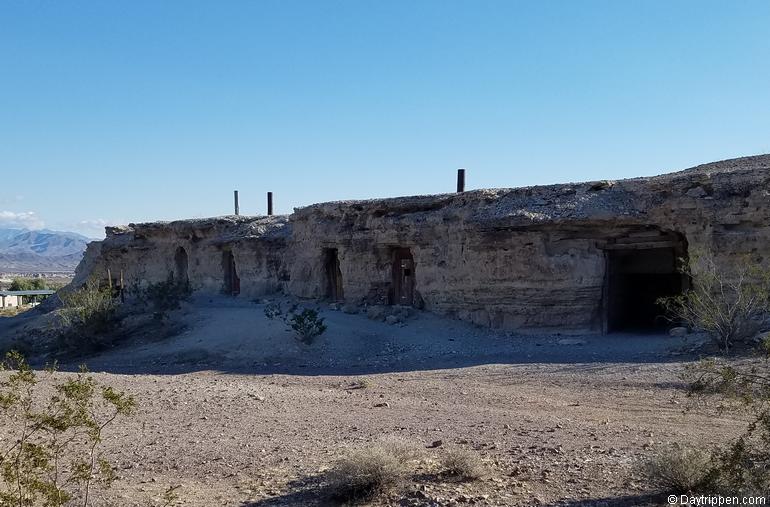
Tucked away in the rugged Mojave Desert just outside the tiny town of Shoshone, California, lies a hidden gem that most travelers speed past without a second glance: Dublin Gulch. This isn’t your typical ghost town with crumbling wooden saloons and abandoned streets—it’s an underground one. Here, miners and wanderers carved entire homes into the cliffs, creating a subterranean community that offered refuge from the desert’s brutal extremes. Step inside these cool, shadowy caves, and you’ll step back into a forgotten era of hardscrabble living near Death Valley.
A Geological Wonder Turned Shelter
The caves of Dublin Gulch were excavated from compacted volcanic ash—believed to be fallout from the massive Lava Creek eruption in Yellowstone National Park over 600,000 years ago. This soft yet durable material (sometimes called caliche clay or tuff) enabled early settlers to dig out stable dwellings with hand tools.
Construction likely began as early as the late 1800s during regional silver booms, with major activity in the 1920s when miners and railroad workers expanded the site. The name “Dublin Gulch” may trace back to a similar area in Butte, Montana, perhaps brought by an immigrant miner like Joe Vollmer.
These clever cave homes served a practical purpose: natural insulation against the Mojave’s scorching summers (often exceeding 100°F) and freezing winters. Rent-free and remarkably comfortable compared to flimsy tents or shacks, they became a practical solution for those chasing fortune in the nearby mines or working on regional railroads.
The Colorful Residents of Dublin Gulch
Dublin Gulch buzzed with life intermittently for decades, with residents coming and going until the mid-1970s. Miners formed the original core, drawn by prospects in Death Valley. Later, the caves attracted an eclectic mix: hobos seeking shelter, hippies embracing off-grid living, and even down-on-their-luck wanderers.
Legendary Death Valley prospector Frank “Shorty” Harris—one of the most colorful figures in regional history, credited with major gold strikes like Bullfrog and Rhyolite—is said to have lived here at times. Other names include miners such as James F. Dallas (who stayed nearly 20 years until his death in 1947), “Deafie Jack” Norman (a 1960s resident with his motorcycle sidecar), and “Whitey” Staley, a local barber.
Rumors persist that members of Charles Manson’s “family” hid out here after being evicted from Barker Ranch in the late 1960s, adding a layer of dark intrigue to the site’s lore.
What Was Life Like in the Caves?
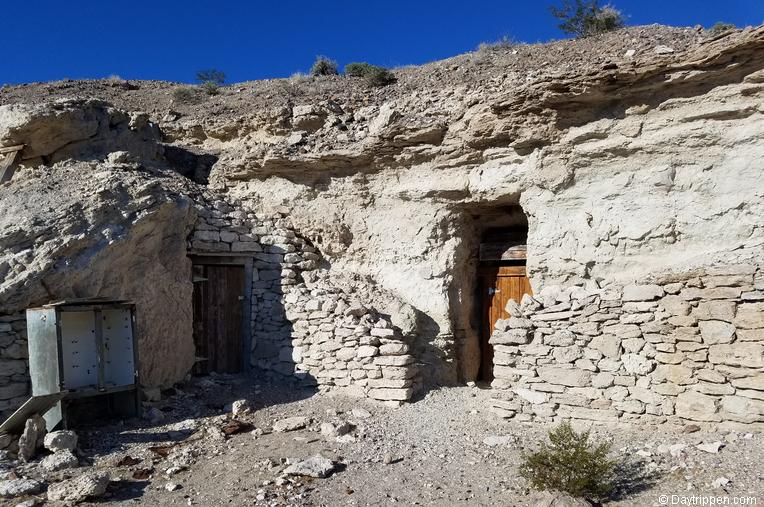
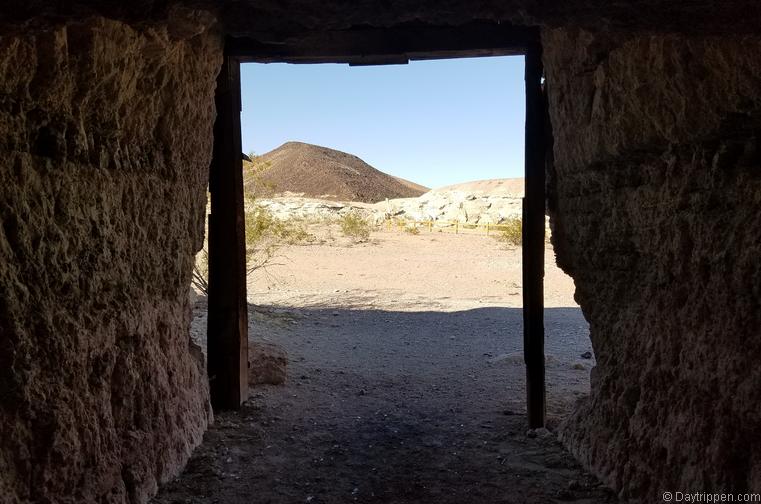
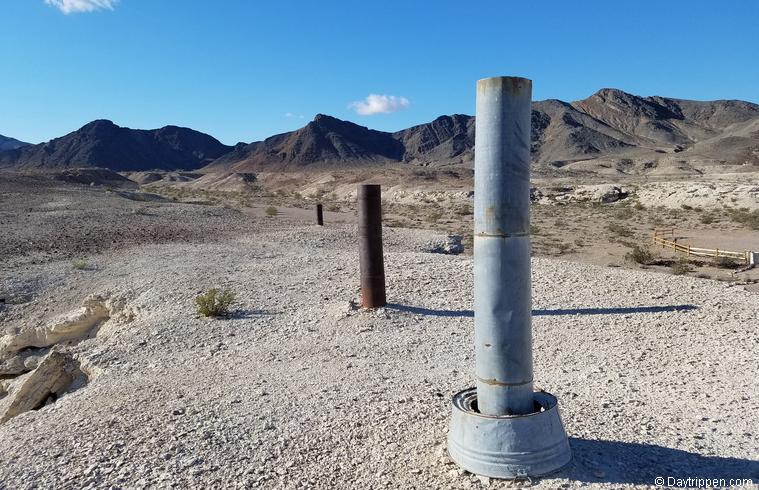
Living underground in the Mojave was both ingenious and rough. Most caves were single-room affairs, carved directly into the hillside with basic doorways (many now padlocked to deter vandals). A few were more elaborate—one boasts multiple rooms and even a carved-out garage. Fireplaces provided heat, with stovepipes still jutting from the bluffs like relics. Natural coolness in summer and warmth in winter made them far superior to surface tents.
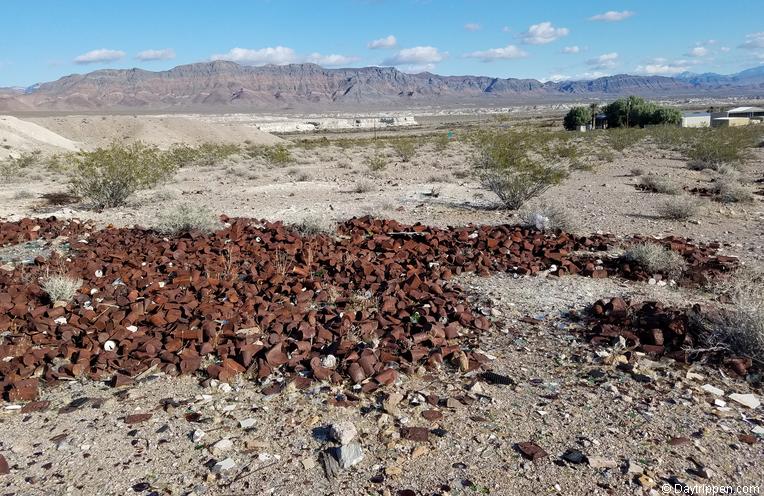
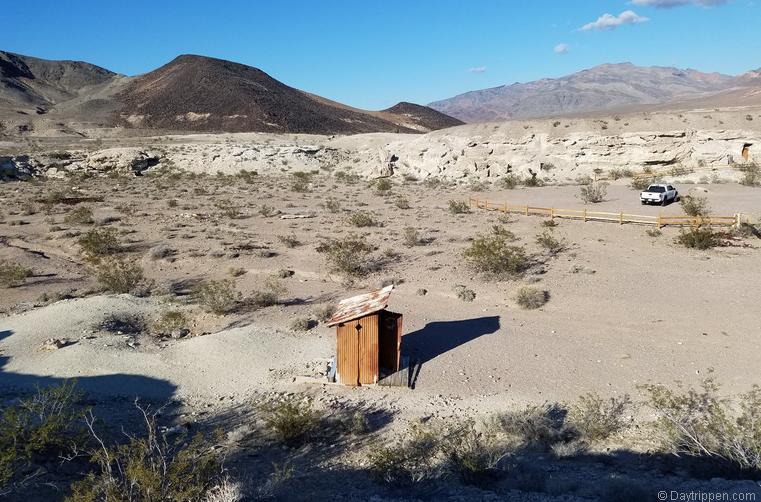
But comfort came with trade-offs. Sanitation was primitive: a two-seat outhouse still stands (though locals warn of rattlesnakes claiming it as their own—better to use facilities in Shoshone). Residents weren’t known for tidiness; massive piles of tin cans and trash still litter the area, a testament to a no-frills lifestyle. Daily life involved hauling water, cooking over fires, and enduring isolation, but the caves offered security and relief from the elements that surface dwellings couldn’t match.
The Broader History of Shoshone and the Area
Shoshone itself serves as the “Gateway to Death Valley,” a quiet village of about 30 residents with deep mining roots. The surrounding region boomed in the late 19th and early 20th centuries with silver, gold, and borax mining, drawing prospectors to places like Tecopa and the Amargosa Valley. Dublin Gulch formed part of this rugged frontier, where fortune-seekers built whatever shelter they could. After mining declined, the caves transitioned into homes for transients. Today, Shoshone preserves its history through a local museum, cemetery, and sites like Dublin Gulch, offering a glimpse into the hard lives of the Mojave’s early settlers.
Dublin Gulch FAQ: Planning Your Visit
Is Dublin Gulch free to visit?
Yes—it’s an open, public site with no entry fee.
How do I get there?
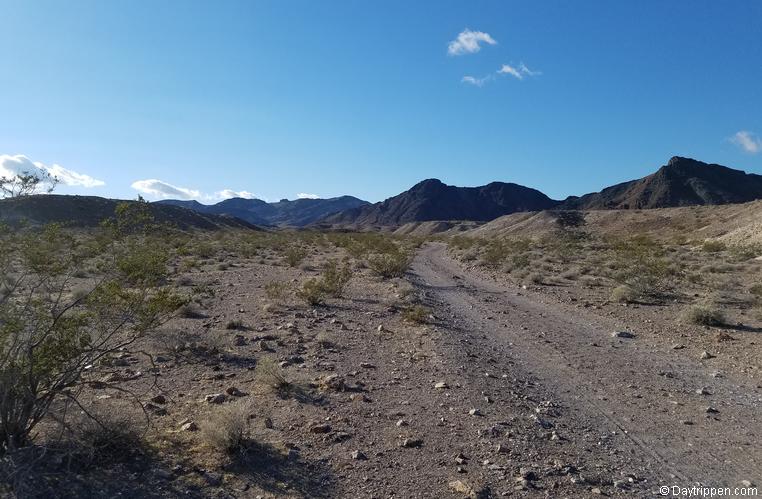
From Highway 127 in Shoshone (53 miles south of Baker), turn onto the dirt road next to the cemetery. It’s about a half-mile to the caves. The road is rough; high-clearance vehicles are recommended, but walking is easy (it takes just 10-15 minutes).
Are the caves safe to enter?
Some are accessible and open for exploration, but many are padlocked. Respect private property, watch for rattlesnakes, and avoid entering unstable areas. Bring a flashlight if venturing inside.
What’s the best time to visit?
Fall through spring—summers are dangerously hot. Early morning or late afternoon offers better light for photos.
Are there facilities nearby?
Shoshone has a post office, cafe, and gas station. Use the restrooms there instead of the old outhouse.
Dublin Gulch Today
Though abandoned for decades, Dublin Gulch endures as a haunting testament to human ingenuity and resilience in one of America’s harshest landscapes. Its caves stand as silent witnesses to miners’ dreams, wanderers’ hardships, and the enduring allure of the desert. If you’re heading toward Death Valley, take the short detour—you’ll discover a hidden chapter of Mojave history that’s far more captivating than any roadside sign could suggest. Just remember to leave no trace, and watch your step in this underground ghost town.