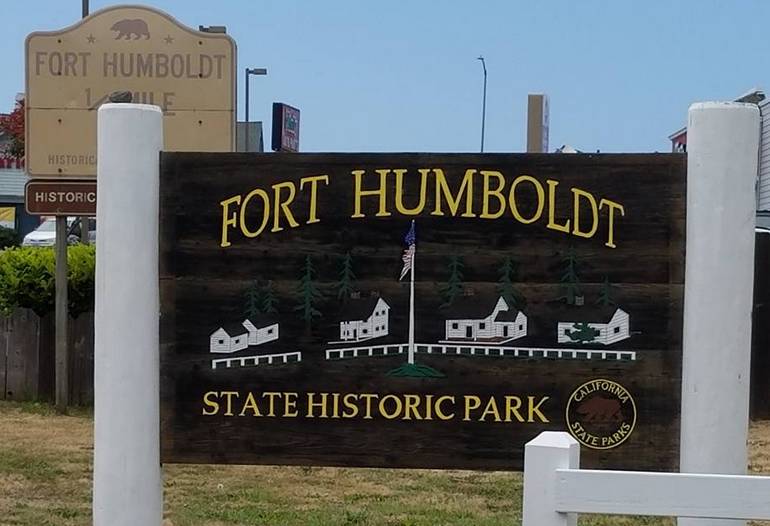
Fort Humboldt State Historic Park: Discover Eureka’s Historic Past
Perched on a grassy bluff above Humboldt Bay in Eureka, California, Fort Humboldt State Historic Park blends military history, cultural stories, and North Coast logging. Established in 1853 during the Gold Rush, this former U.S. Army post served as a buffer between incoming settlers and gold seekers and the Indigenous peoples of the region, including the Wiyot, Yurok, and Hoopa. Today, it is an 18-acre state historic park where visitors can follow self-guided trails, explore restored buildings, see massive steam-powered logging equipment, and take in panoramic bay views—all for free.
The Fort’s Turbulent Origins and Military History
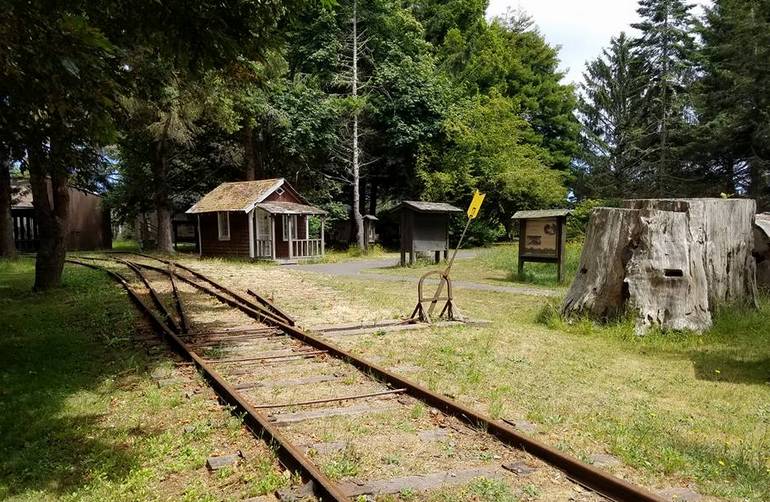
Fort Humboldt sprang to life in January 1853 under Brevet Lt. Col. Robert C. Buchanan to help manage conflicts sparked by the Gold Rush influx. The area saw tension between miners/settlers and Native American tribes defending their lands. The fort acted as a supply depot and headquarters for the Humboldt Military District, supporting outposts across Northern California and Southern Oregon.
At its peak, the fort featured about 14 rough-plank buildings arranged around a central parade ground, including barracks, officers’ quarters, a bakery, a commissary, a guardhouse, and a hospital. During the Civil War, it became the headquarters for California Volunteer units with shifting policies toward Native communities. Abandoned by the military around 1870, the site fell into disrepair until it was privately owned and eventually transferred to the state.
Restoration and the Hospital Museum
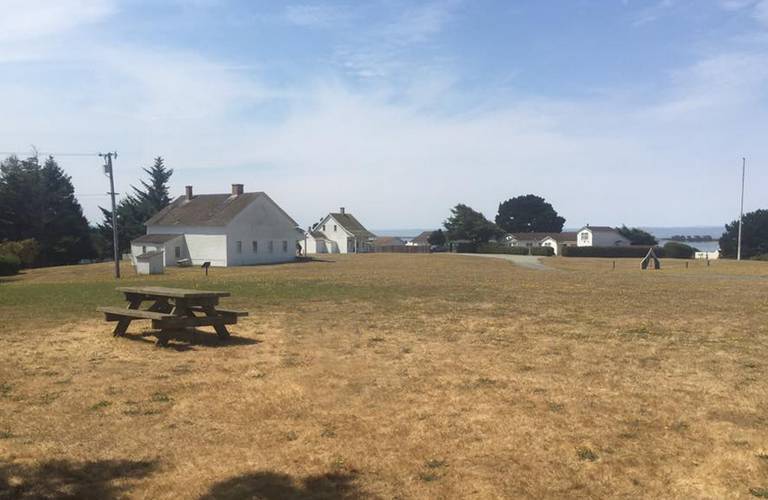
In 1893, the property was sold to ecologist W.S. Cooper for $6,000. His widow donated it to the City of Eureka, and the title passed to the City of Eureka in 1955. Designated a state historic park in 1963, the site has seen restoration efforts that preserved the 1863 hospital—the sole remaining original structure.
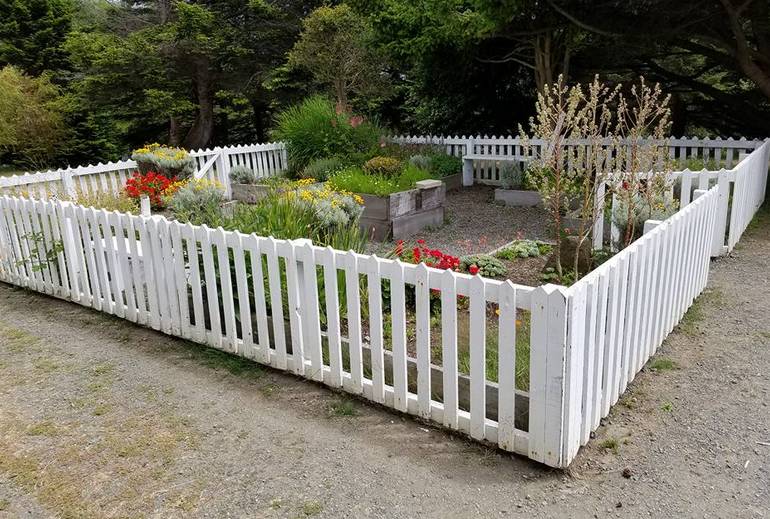
Inside, the museum (with a reconstructed surgeon’s quarters) offers exhibits on fort life, Civil War-era medicine, and interactions between settlers and Native groups like the Wiyot. Adjacent is a recreated 1850s medicinal and edible garden featuring period plants used for healing and sustenance.
Logging Museum and Outdoor Exhibits: Steam Power on the North Coast
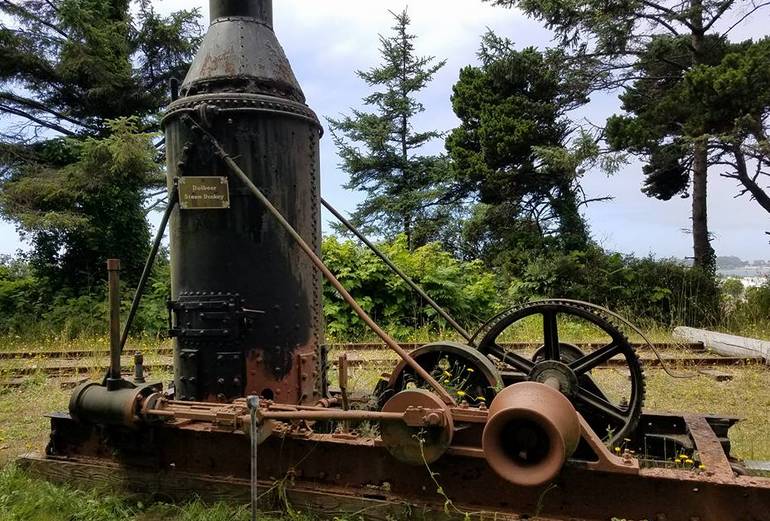
Beyond the military story, Fort Humboldt shines a spotlight on Humboldt County’s timber heritage, which transformed the region after the Gold Rush. The open-air Logging Museum and self-guided trails feature historic equipment from the 1850s to the mid-20th century, including steam donkeys and locomotives, as well as interpretive signage on logging innovations.
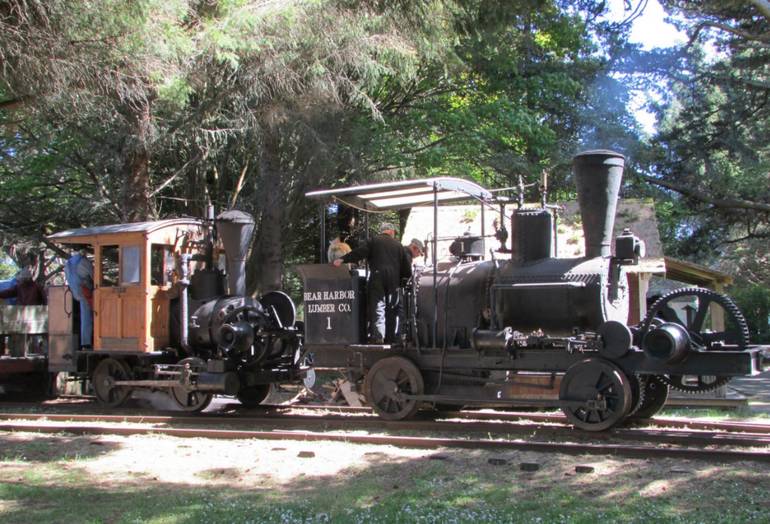
Highlights include the Dolbeer Steam Donkey (invented locally by John Dolbeer in the 1880s, revolutionizing log hauling), the “Lucy” (Bear Harbor Lumber Co. Gypsy Locomotive #1, 1892), and the Falk locomotive (Elk River Mill & Lumber Co. #1, 1884). Paths and boardwalks lead past these giants, letting you imagine the “Red Gold” redwood era.
Events That Bring History Alive
The park hosts engaging annual and seasonal events thanks to partnerships like the Timber Heritage Association:
- Fort Humboldt Living History Days (typically May): Recreates pre-Civil War frontier life with encampments, demonstrations, and immersive activities.
- Steam-Ups (third Saturday, May–September): Historic logging equipment fires up; enjoy short train rides and the sights/sounds of steam power.
- Dolbeer Donkey Days (April): Two-day celebration with logging skills competitions, demonstrations, music, and more.
Check the California State Parks site or North Coast Redwoods District Facebook/Instagram for 2026 dates, as events evolve. Guided docent tours are available by request (via email or phone).
Tips for Your Visit
- Hours: Open daily 8:00 AM to 5:00 PM. Museums and trails are self-guided.
- Admission: Free (vehicle day-use is typically free here; confirm current details). Accepts various state park passes, including the special Historian Passport for historic sites.
- Address: 3431 Fort Ave, Eureka, CA 95503 (just off Highway 101 near Bayshore Mall; east on Highland Ave. one block).
- Best Time: Summer for milder fog/rain and event season, but year-round moderate coastal weather (dress in layers; expect morning/evening fog). Winters bring more rain.
- Amenities: Parking, restrooms, drinking water, and picnic tables on the grassy bluff with stunning views of Humboldt Bay. Dogs allowed on leash (not in buildings except service animals).
- Accessibility: Self-guided trails; check parks.ca.gov for details.
Nearby Attractions
Combine your visit with Old Town Eureka, the Clarke Historical Museum, Humboldt Bay, Sequoia Park Zoo, Humboldt Botanical Garden, or a drive into Humboldt Redwoods State Park for towering giants. It’s an ideal half-day stop on a North Coast road trip.
Why Visit Fort Humboldt State Historic Park?
Fort Humboldt State Historic Park weaves together military history, Indigenous perspectives, and the booming logging industry that shaped Northern California. From the quiet museum exhibits and garden to the thundering steam-ups and bay vistas, it’s a place where the past feels vividly present.
FAQ About Fort Humboldt State Historic Park
Is Fort Humboldt State Historic Park free to visit?
Yes, admission is free. It’s a great budget-friendly stop with no vehicle day-use fee in most cases.
Can I see steam trains or live demonstrations at Fort Humboldt?
Absolutely—during Steam-Ups (third Saturdays, May–September) and events like Dolbeer Donkey Days (April), the Timber Heritage Association fires up historic locomotives and equipment for rides and demos. Check current schedules.
Is Fort Humboldt suitable for kids and families?
Yes! The outdoor exhibits, short trails, picnic areas, and occasional train rides make it engaging for all ages. Pick up a Redwood Adventure Quest for younger visitors.
Who lived or served at Fort Humboldt?
Notable figures include Ulysses S. Grant (briefly in 1854). The fort protected settlers amid Gold Rush conflicts and later supported Civil War efforts.
Are dogs allowed at Fort Humboldt State Historic Park?
Leashed dogs are welcome in outdoor areas but not inside buildings (except service animals).
Discover more from Daytrippen.com
Subscribe to get the latest posts sent to your email.