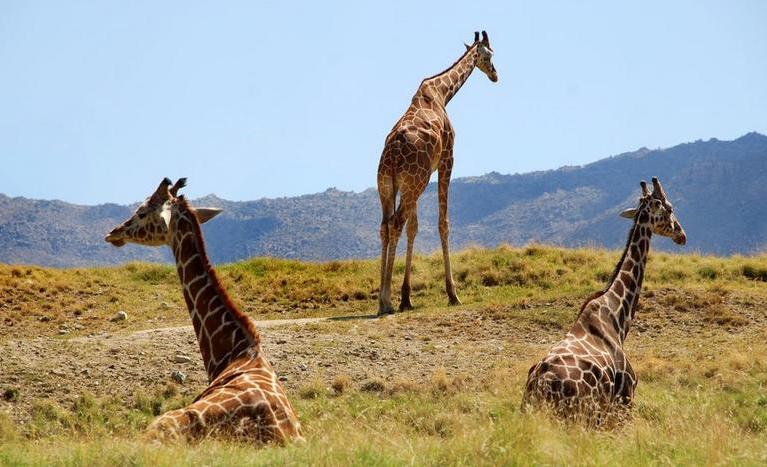
Visiting The Living Desert Zoo, Palm Desert, California
The Living Desert Zoo and Gardens sits about 15 miles southeast of Palm Springs, on the south edge of Palm Desert, where Portola Avenue climbs toward the Santa Rosa Mountains. It is a zoo, a botanical garden, and a desert preserve on the same property, and it makes a great half-day stop on a Coachella Valley weekend.
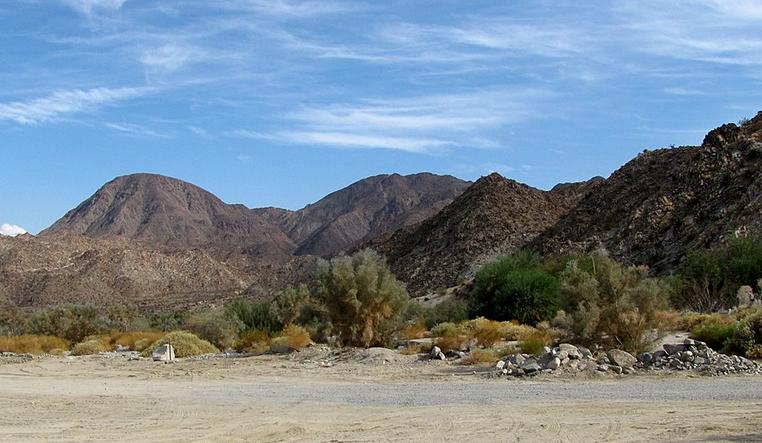
Most of the land is still open desert. Roughly 80 acres are developed into habitats, gardens, and walking paths, inside about 1,200 protected acres. More than 500 animals from 150-plus species live here, along with gardens that display desert plants from three continents. The nonprofit has been accredited by the Association of Zoos and Aquariums since 1983.
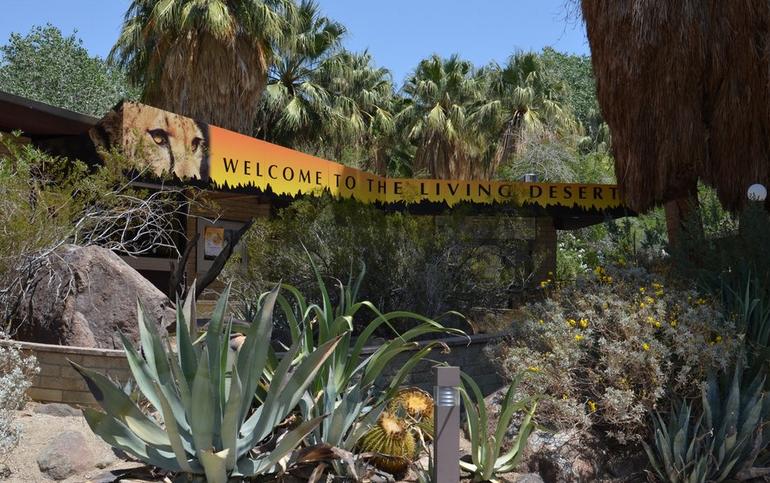
Why the Living Desert Exists
Trustees of the Palm Springs Desert Museum started the project in 1970. They could already see what resort building would do to the local desert, and they wanted an interpretive trail and preserve in Palm Desert to push back. Philip L. Boyd, who also helped found UC Riverside, was among them. The grounds opened to the public on March 9, 1970, first as a nature trail with numbered posts and creosote bush, then as a zoo and garden that kept growing.
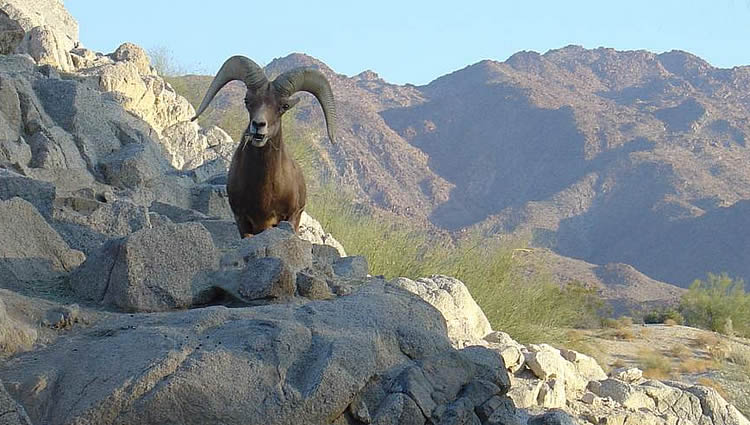
That conservation job is still the point. Staff have helped return peninsular bighorn sheep to nearby mountains and Arabian oryx to Oman. Current work includes a desert tortoise head-start program and recovery efforts for peninsular pronghorn, an animal gone from much of Southern California since the 1940s. The zoo lists more than 80 conservation projects in the field and on site.
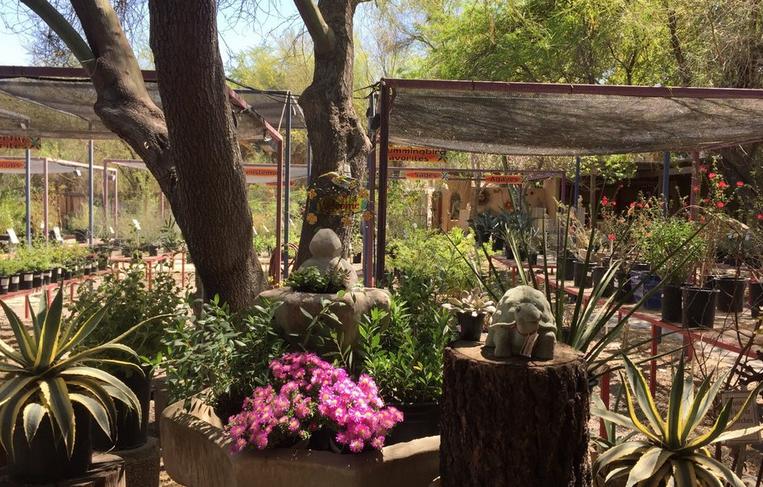
North American Desert Habitats
Start with the small-animal building for shade and a close look at species that stay hidden in the heat. Many desert mammals are active at night, so the indoor exhibits do the work the trail cannot.
Outside, Eagle Canyon and Bighorn Mountain hold birds of prey, coyotes, and desert bighorn sheep on rocky slopes that match the Santa Rosa and San Jacinto ranges behind the park. The North American loop covers plants and animals from all four North American deserts: Sonoran, Mojave, Chihuahuan, and the Colorado Desert underfoot. Jaguars live on the Monarch of the Desert section of this trail, a reminder that big cats once ranged far wider than the postcards suggest.
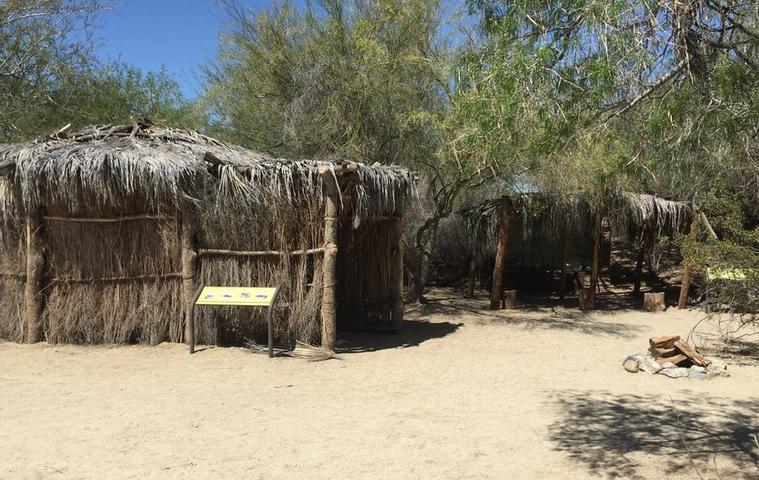
African Safari and Village WaTuTu
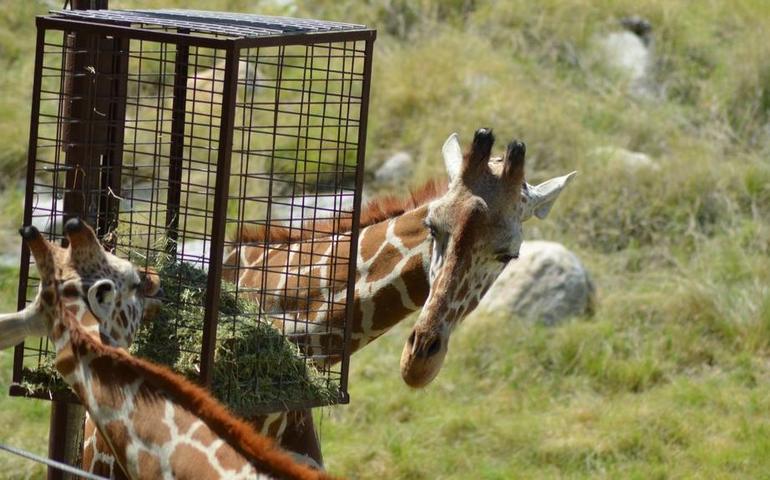
The African grounds are the busiest part of the park. Giraffes, zebras, cheetahs, meerkats, and African painted dogs share shaded paths lined with trees that feel like they belong on the continent. Giraffe feeding is a walk-up add-on at the Giraffe Care and Conservation Center, usually open through midday for a separate fee. A rhino encounter, best booked ahead, takes guests behind the scenes with black rhinos at Rhino Savanna, which opened in fall 2021.
Village WaTuTu, opened in 1999, is a walk-through replica of a village from northeastern Africa: mud-walled huts, grass-thatched roofs, and animals tied to that landscape, including camels, patas monkeys, and the Goat Kraal. Docents use the village theater for short talks on African wildlife and conservation. Camel rides are no longer offered. You can still see the camels and join a Camel Connection keeper talk when it is on the board. The up-close stops that guests use now are giraffe feeding and the goat yard.
Australian Adventures
Australian Adventures opened in 2020 and landed on USA Today’s 10Best zoo habitats list in 2024 and again in 2026. Bennett’s wallabies move through the grass near the path. Yellow-footed rock-wallabies use the rocks. Laughing kookaburras, emus, and budgies fill out the walk-through. It is one of the few desert-zoo takes on Australia, built around species that can handle this climate. A nearby air-conditioned Desert Conservation Lodge is a good place to see small, fast primates and escape the sun.
Gardens, Trails, and the Model Railroad
The gardens are half the visit. More than 50 garden spaces hold about 1,200 plant species. The Sage Garden alone has more than 35 kinds, and something is usually in bloom from fall through spring. Shaded paths and a few picnic spots break up the animal loop.
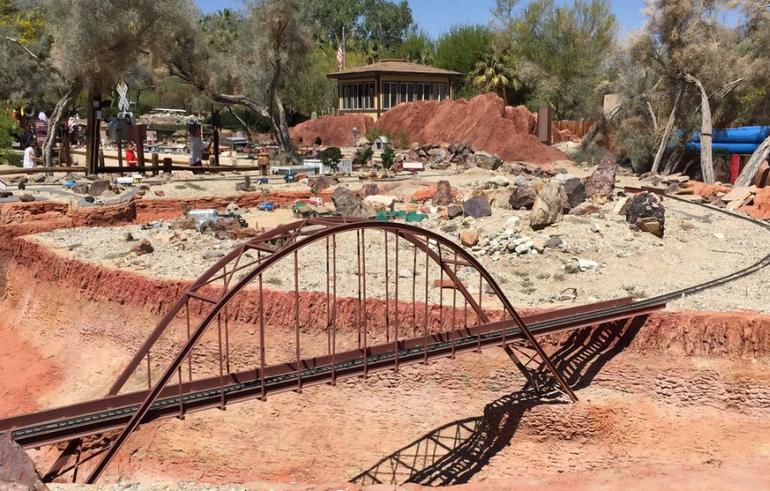
The G-scale railroad, often called the Bighorn Railroad, covers about three-quarters of an acre with 3,300 feet of track. The layout runs a miniature version of Highway 111 from Palm Springs toward the Salton Sea, with the Aerial Tram, desert towns, tunnels, and mountains. Kids stop. Adults stop longer.
Hiking trails into the undeveloped preserve are generally open from October 1 through May 31. They close in summer, when the zoo itself shortens its day. Wear real shoes. The paved zoo paths are stroller-friendly. The preserve trails are not.
Kids, Splash Pad, and Indoor Stops
The Miriam U. Hoover Discovery Center is the indoor reset. Fossil and bone exhibits cover animals that once lived in the Coachella Valley, and craft tables give younger kids a place to draw what they just saw. It is also air-conditioned, which matters more than the brochure admits.
The Oasis Splash Pad, included with admission, has animal-shaped fountains and a small slide. Summer hours line up with the splash pad. Bring a swimsuit, a towel, and swim shoes. The Endangered Species Carousel runs in the long season, October through May, from about 9 a.m. to 4:30 p.m.
Keeper Connections run through the day at no extra charge: bighorn sheep, meerkats, wallabies, coyotes, painted dogs, and camels, depending on the weekday. The schedule changes, so look it up the morning you go.
Hours, Tickets, and the Drive
Address: 47900 Portola Avenue, Palm Desert, CA 92260. Phone: (760) 346-5694. From Highway 111, turn south on Portola and drive about 1.5 miles to the entrance. From Interstate 10, exit Monterey Avenue and head south, then follow signs. The drive from Orange County or central Los Angeles is about two hours in clear traffic. Add time if you are starting in the San Fernando Valley.
From October 1 through May 31, the zoo is open 8 a.m. to 5 p.m., with last admission at 4 p.m. From June 1 through September 30, it opens at 7 a.m. and closes at 1:30 p.m., with last admission at 12:30 p.m. Christmas Day is the only regular closure. Parking is free. The park went cashless on October 1, 2025, with reverse ATMs on the grounds if you arrive with bills. A few third-party shops may still take cash.
Buy tickets online before you leave. Advance purchase is required. Check livingdesert.org for current pricing. Active and retired military receive a discount with ID. SNAP/EBT cardholders can use the Zoo for All rate, $10 per adult and $5 per child, during regular hours only. An adult must accompany guests under 18.
A comfortable loop takes three to four hours. Food is on site at the Bighorn Cafe, with views toward the sheep habitat, plus seasonal snack counters. Palm Desert has lodging at every price and plenty of dinner options after the gate closes.
Best Time To Visit
Winter and spring are the easy seasons. Daytime highs sit in a range where you can walk the full loop, the trails are open, and WildLights turns the gardens into an after-dark holiday display, often running from November into early January. The lights display has been a USA Today 10Best nominee for zoo lights. October brings Howl-O-Ween, a costume day aimed at families.
Summer is a different trip. The valley can hit 115 degrees. Go at opening, use the splash pad, and plan to be in the car by early afternoon. Hats, sunscreen, and a refillable bottle are required year-round. The zoo is a Certified Autism Center, with sensory kits at Guest Services, and it rents strollers, wheelchairs, and scooters at the entrance.
Living Desert Zoo FAQ
How far is the Living Desert Zoo from Palm Springs?
About 15 miles southeast, in Palm Desert. Most drives from downtown Palm Springs take 20 to 30 minutes.
How long should I plan for a visit?
Three to four hours covers the main habitats, gardens, and a stop at the model railroad. Summer visits are shorter because the gate closes at 1:30 p.m.
Do I need to buy tickets ahead?
Yes. Advance tickets are required. Check livingdesert.org for your desired date, since prices can change.
Are camel rides still offered?
No. Camel rides have ended. Camels are still on the African grounds, and a keeper talk is on the weekday schedule. Giraffe feeding and the Goat Kraal are the up-close stops guests use now.
Is the zoo good for young children?
Yes. The Discovery Center, Goat Kraal, splash pad, carousel, and model trains give kids breaks from the longer walking loop. Pathways are wide and mostly paved.
Can I bring a dog?
Pets are not allowed, except during occasional Dog Days events. Do not leave an animal in the car. Service animals are permitted with notice at admissions, with a few exhibit limits.
What is the best time of year?
October through April. Mild weather, full hours, open preserve trails, and the holiday lights in winter.
Why Visit the Living Desert Zoo
The Living Desert is the rare Palm Springs-area stop that is about the desert itself, not a pool deck with a view of it. You can spend a morning with bighorn sheep, wallabies, and giraffes, then walk a garden that explains why this valley looks the way it does. Go in the cool months if you can.
Discover more from Daytrippen.com
Subscribe to get the latest posts sent to your email.