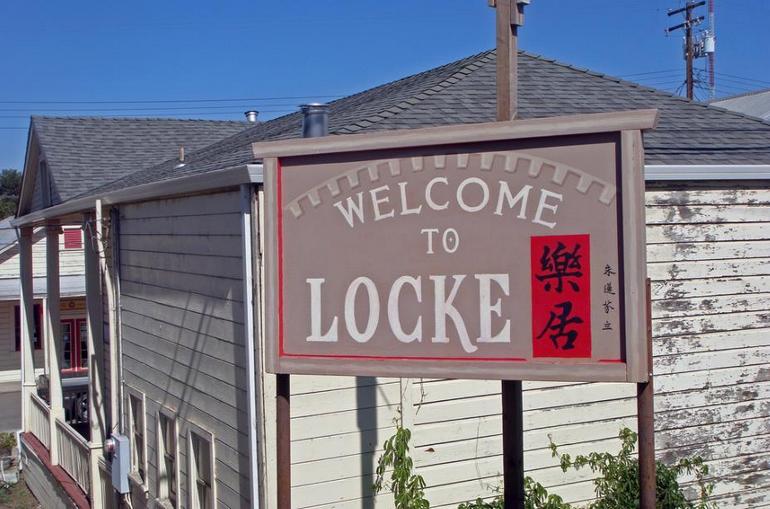
Day Trip to Locke, California: National Historic Landmark
Locke Historic District sits along the Sacramento River levee on Highway 160, just a short drive from Walnut Grove. With only about 75 to 90 residents today, this small town is like a time capsule from the early 1900s, full of history, resilience, and charm. Once called Lockeport, it is the largest and best-preserved rural Chinese American community in the country.
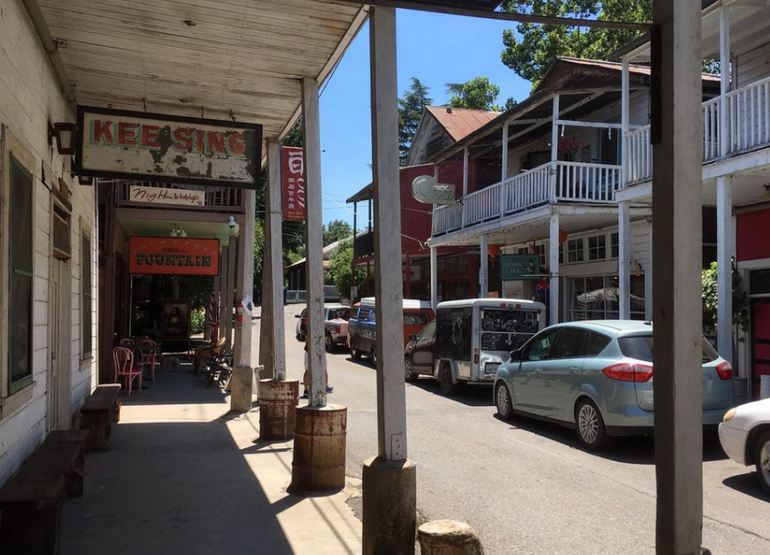
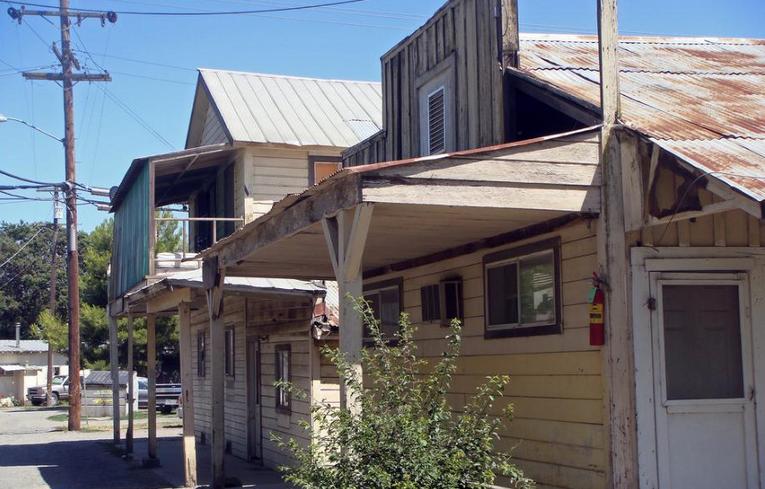
Locke was founded in 1915 by Chinese immigrants who lost their homes in a fire in Walnut Grove. The town soon became a busy center for farm workers, with businesses serving up to 600 people at its peak. Today, you can see its old wooden buildings, bilingual street signs, and museums as you walk the boardwalks and learn about the community’s perseverance and cultural pride. Whether you love history, food, or just want a scenic Delta getaway, Locke is a memorable day trip from Sacramento or the Bay Area.
Step Back into California’s Only Rural Chinatown
Locke’s story is one of grit and determination. After a fire destroyed much of Walnut Grove’s Chinatown in 1915, Chinese merchants, many from the Zhongshan region of Guangdong Province, asked landowner George Locke if they could build on his land. By 1920, Lockeport (later called Locke) was thriving. Chinese workers who had helped build the Delta’s levees turned to farming, especially asparagus, while the town offered homes, schools, restaurants, a fish market, hotels, a theater, and even a brothel and gambling halls.
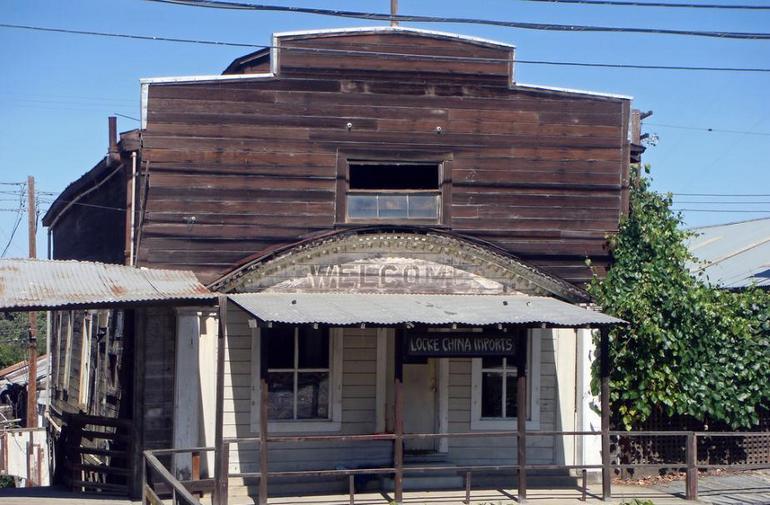
Must-See Attractions and Museums in Locke
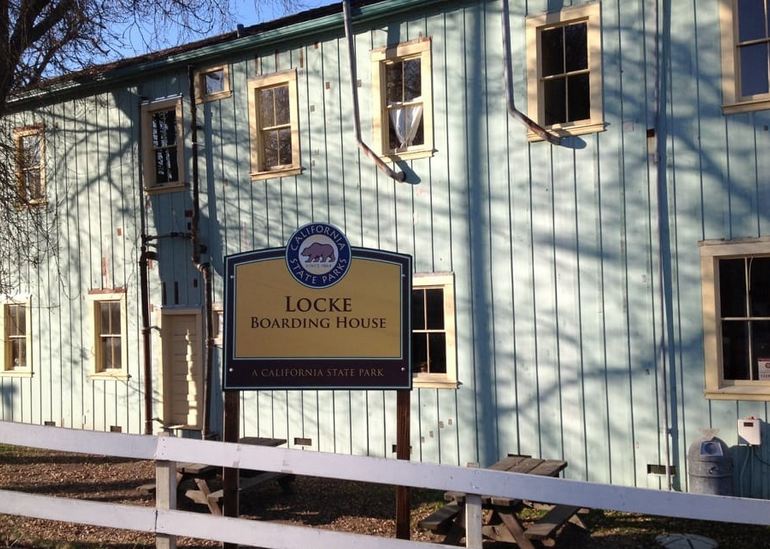
Walk along Main Street’s wooden boardwalks and take in the history. Start at the Locke Boarding House Museum & Visitor Center (13916 Main St.), which is run by the Locke Foundation and California State Parks. Admission is free, and you’ll find exhibits about daily life, artifacts, and changing displays. It’s usually open Tuesdays and Fridays from noon to 4 PM, and weekends from 11 AM to 3 PM.
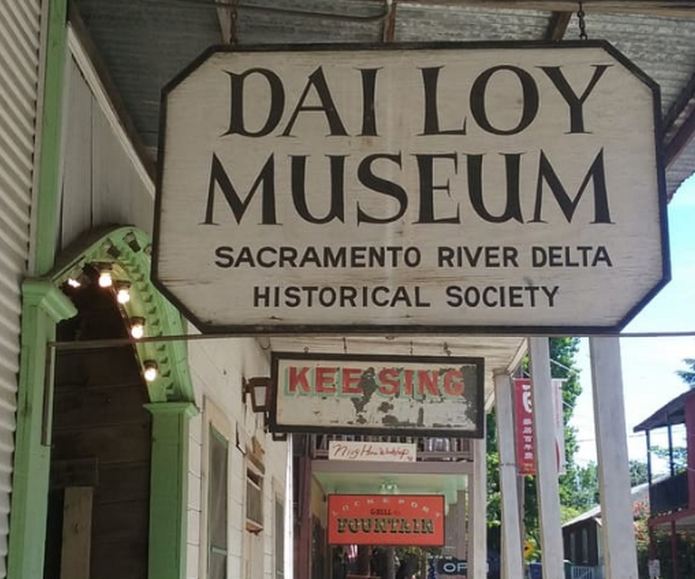
Close by, the Dai Loy Gambling House Museum (13951 Main St.) shows the lively side of Locke’s past with real gambling items from before the early 1950s, when gambling stopped. You can look into the money room and the lottery area. There may be a small admission fee, and it’s open on weekends and some weekdays.
The Locke Chinese School (Joe Shoong Chinese School Museum) opened in 1926 and stayed active until the mid-1980s. It was also a place for the community to gather and now teaches visitors about education and cultural preservation. The Jan Ying Association Museum completes the group with its heirlooms and the story of the benevolent society.
Be sure to visit the Chinese Demonstration Garden off Main Street. This living exhibit features traditional vegetables like bitter melon, long beans, and luffa, which were important to residents. It’s a peaceful and educational stop that highlights the community’s gardening traditions.
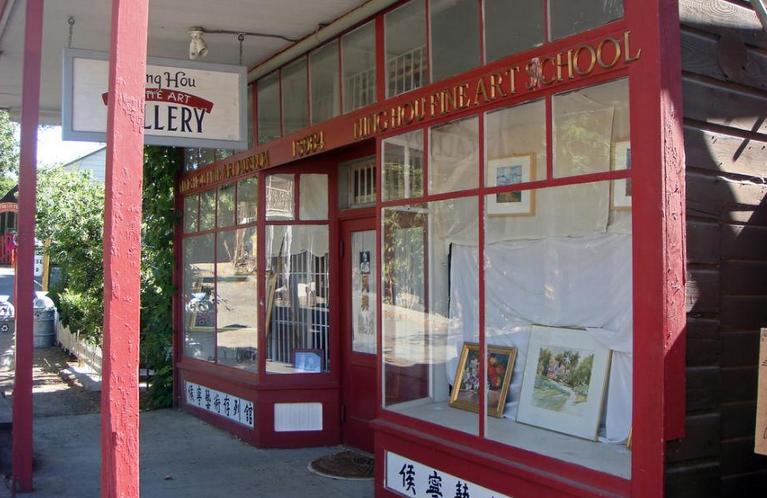
The Locke Historic District Art Center, formerly a pool hall, now showcases crafts from mainland China and adds an artistic touch to your visit.
Quirky Eats and Local Flavor at Al’s Place
Feeling hungry? Try Al’s Place (also called Al the Wop’s, 13943 Main St.), the first non-Chinese business in Locke, which opened in 1934. This unique dive bar and steakhouse is famous for its “Big Ol’ Steaks,” thick-cut toast (ask for peanut butter and homemade jelly—some people even put it on their steak!), garlic fries, and lively vibe. Dollar bills cover the ceiling, and the walls are full of stories. It’s open daily from about 10 or 11 AM, with kitchen hours varying by season, and it stays open later on weekends. It’s a casual, fun spot and a Delta favorite, great for hearing stories from locals and bikers.
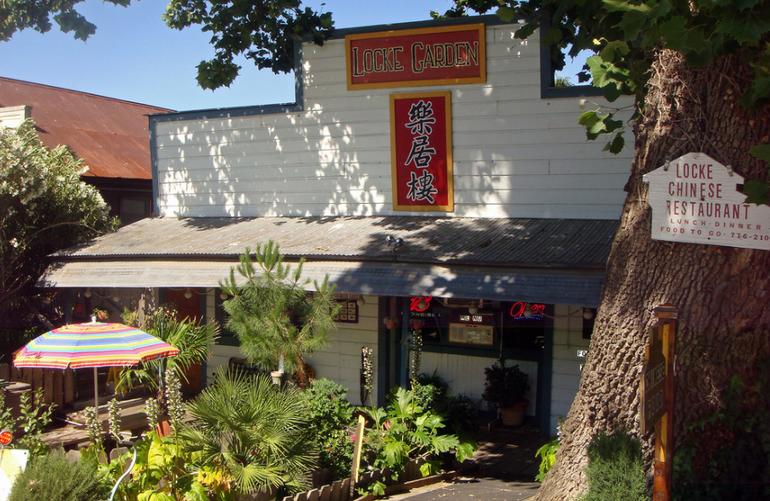
(Note: Locke Garden Chinese Restaurant has closed, but other spots like Lockeport Grill & Fountain may offer lighter fare.)
Scenic Drives and Delta Charm
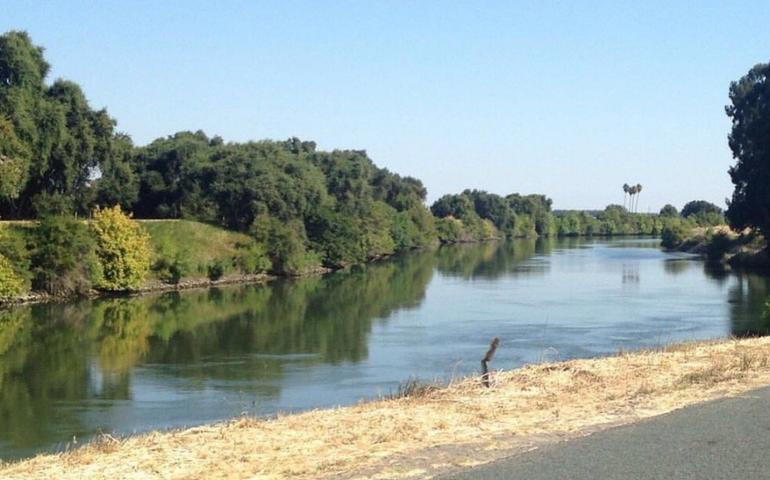
Drive along Highway 160 (River Road) to enjoy beautiful views of the Sacramento-San Joaquin Delta. Cross metal drawbridges and think about the many hours of work that went into building the levees. You can also visit Walnut Grove, Clarksburg wineries, or other Delta towns to make your trip even more special.
Events Worth Timing Your Trip:
The Locke Foundation hosts lively festivals, including the Chinese New Year Celebration, the Year of the Horse event featuring lion dances, performances, and family activities, and the Asian Pacific Spring Festival. These events feature free admission, music, food, and cultural demonstrations, making them special highlights.
Guided walking tours by the Locke Foundation are available on weekends (reservations recommended for groups; ~$5–7).
Visitor Tips: Please respect the residents, as this is a living community. Park carefully, stay on public paths, and support local businesses and museums. The best time to visit is from spring through fall, when the weather is nice, and places are open. You can also combine your trip with other Sacramento attractions, like Old Sacramento or railroad museums, for more variety.
Why Locke Historic District is a Must-See
Designated a National Register of Historic Places site in 1970 and elevated to National Historic Landmark status in 1990, Locke remains a living monument to the often-overlooked contributions of Chinese immigrants who transformed California’s Delta into an agricultural powerhouse. Whether you’re tracing family roots, chasing hidden gems, or simply escaping the city, Locke delivers authentic Delta magic. Plan your visit and become part of this living history. Safe travels—your next great day trip awaits!
FAQ About the Locke Historic District
What is the Locke Historic District known for?
It’s the only town in the U.S. built entirely by and for Chinese immigrants, a National Historic Landmark showcasing rural Chinese American heritage in the Sacramento Delta.
How far is Locke from Sacramento?
About 45 minutes south via I-5 and local roads. It’s roughly 2 hours from San Francisco.
Are the museums free?
The Boarding House Visitor Center is free; others often have small fees. Check the Locke Foundation for current details.
What restaurants are in Locke?
Al’s Place is the main spot for steaks and atmosphere. There are a few other options, so plan ahead or bring a picnic.
When is the best time to visit Locke?
Weekends for museum hours and events. Spring for festivals; avoid extreme summer heat.
Is Locke family-friendly?
Yes, museums, gardens, and festivals provide educational fun, though some history (like gambling) is better for older kids. Please respect the residential areas.
Can I take photos or tours?
Absolutely. Photography is encouraged, but please be respectful. Group tours are available through the Locke Foundation.
You Might Like These Trips
Discover more from Daytrippen.com
Subscribe to get the latest posts sent to your email.