- 29
- 51shares
Step into a 1,000-Year-Old World near Las Vegas.
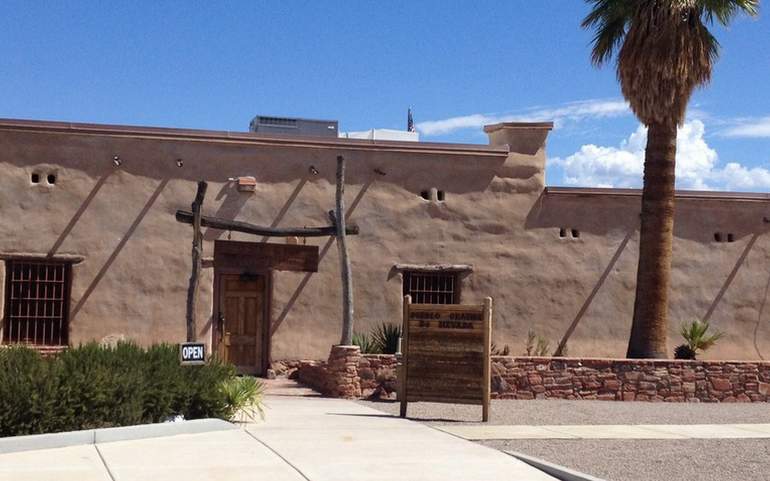
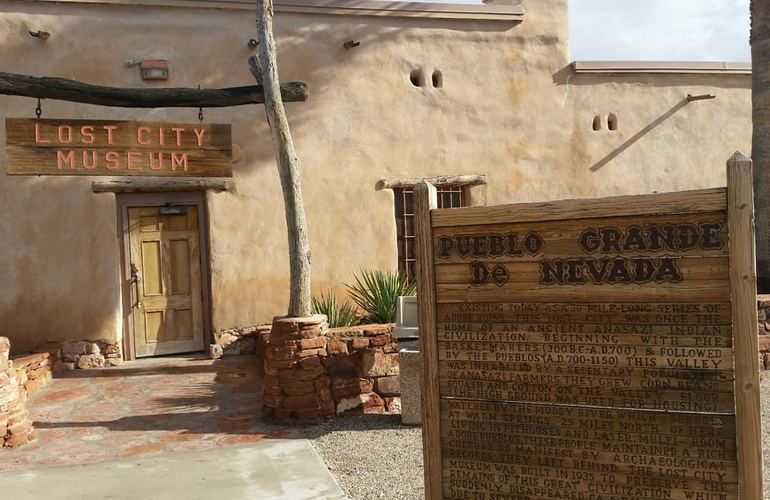
Leave the neon and noise behind and head northeast from Las Vegas to a quiet stretch of the Moapa Valley. In a little more than an hour, you reach the Lost City Museum in Overton, a compact but rich site that sits on the actual footprint of one of southern Nevada’s most important Ancestral Puebloan settlements. Known historically as Pueblo Grande de Nevada, the place offers reconstructed dwellings, rescued artifacts, and a clear sense of the people who farmed, built, and traded along the Muddy River for centuries.
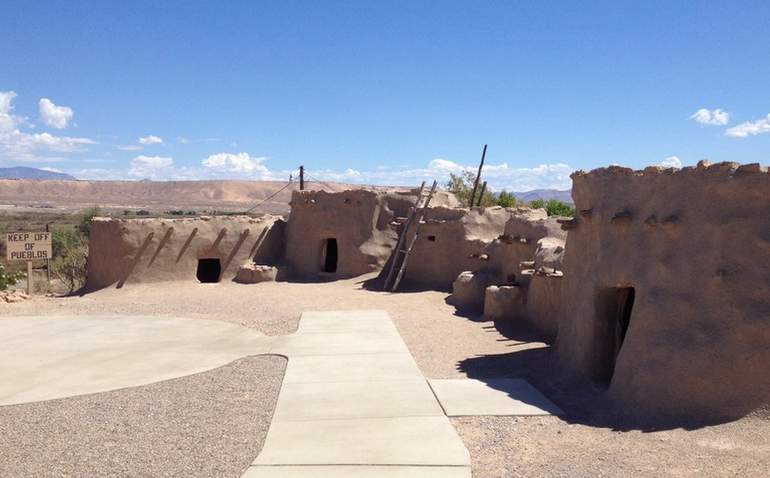
Reconstructed Pueblo Grande de Nevada
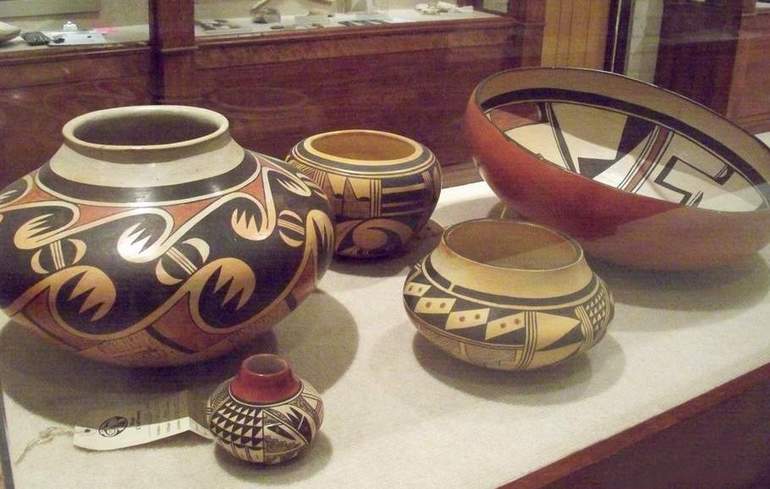
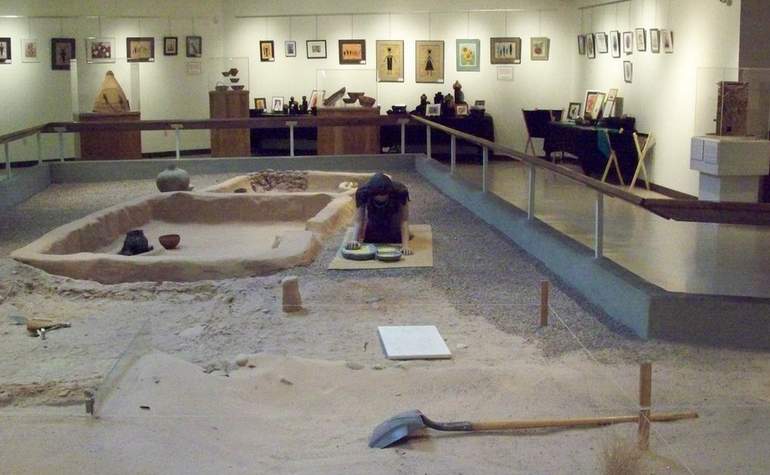
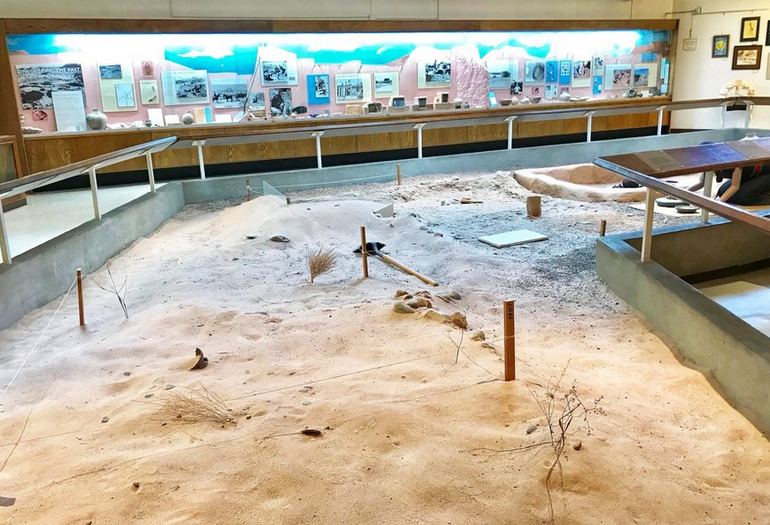
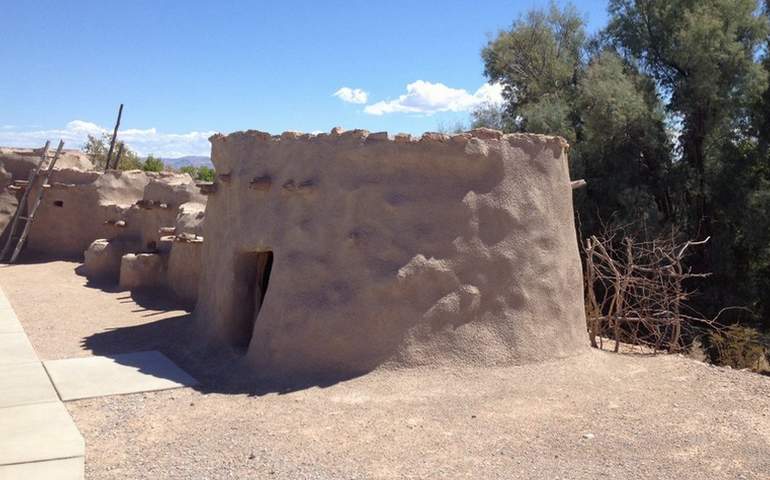
The museum is both an indoor gallery and outdoor experience. Inside, you find pottery, tools, jewelry, and interpretive displays drawn from the salvage excavations of the 1920s and 1930s. Outside, a carefully rebuilt pueblo and pit-house complex lets you walk through rooms that approximate the scale and construction of the original dwellings. The gift shop carries Native American jewelry, crafts, books, minerals, and small souvenirs. Together the elements create a focused, educational stop that pairs naturally with a visit to nearby Valley of Fire State Park or the northern reaches of Lake Mead National Recreation Area.
Southern Nevada’s Ancestral Puebloan Past
For more than a thousand years, the lower Moapa Valley supported a chain of farming communities. Basketmaker people occupied the area from roughly 300 B.C. into the early centuries A.D., living in pit houses and relying heavily on woven baskets. Later Ancestral Puebloan groups (often still called Anasazi in older literature) built multi-room adobe and masonry structures above ground. They grew corn, beans, squash, and eventually cotton, irrigated by the Muddy River. The largest concentration of rooms—nearly one hundred in the main complex—stood on the rise where the museum now sits. Smaller one- and two-room dwellings dotted a roughly thirty-mile stretch of the valley.
Drought, Resource Pressure
Around A.D. 1150 the communities emptied. Drought, resource pressure, or social change—possibly a combination—led the people to leave. Their adobe walls weathered under desert sun and wind. In 1924, local brothers John and Fay Perkins brought the extensive ruins to the attention of Nevada officials. Archaeologist Mark Raymond Harrington began systematic work, documenting pit houses, multi-room pueblos, pottery, and tools. Media of the day labeled the site the “Lost City,” and the name stuck.
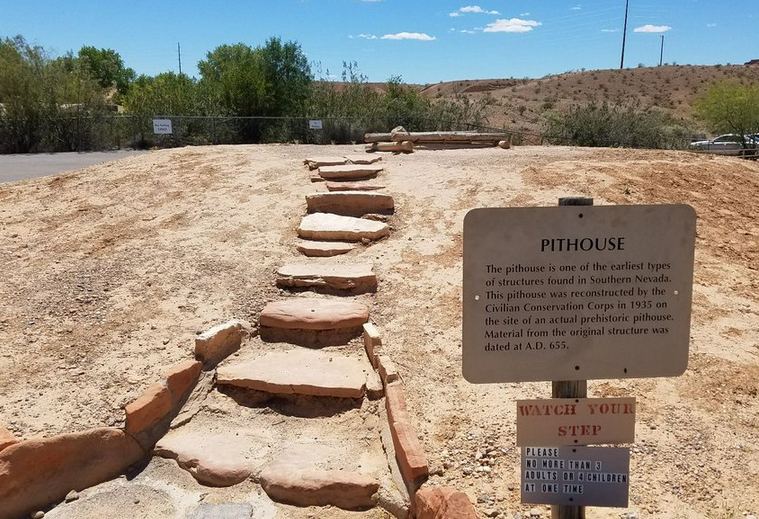
Construction of Hoover Dam in the 1930s raised the threat of Lake Mead. Rising water would inundate the most accessible portions of Pueblo Grande de Nevada. The Civilian Conservation Corps joined the effort, excavating remaining sites and manufacturing tens of thousands of adobe bricks for a new museum building. Completed in 1935 as the Boulder Dam Park Museum, the pueblo-revival structure was later transferred to the State of Nevada and renamed the Lost City Museum. It remains one of the state’s museums and continues limited archaeological monitoring of surviving sites above the high-water line.
What You See Today
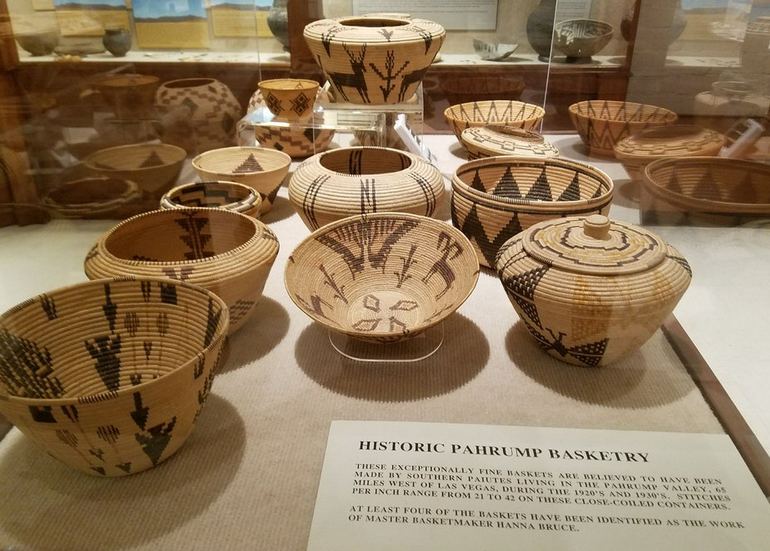
The reconstructed pueblo is the museum’s strongest outdoor feature. Built on the original Museum Site, the rooms give a tangible sense of scale and daily life. A pit house reconstruction shows the earlier subterranean style. Inside the adobe building, galleries display the pottery styles that evolved over centuries, stone tools, shell and turquoise ornaments that speak to trade networks, and photographs from the early excavations. Changing exhibits and occasional special programs keep the interpretation current. A small research library and archival collections support deeper study by appointment.
Visitor Information
Admission is straightforward: $8 for adults and seniors; free for children 17 and under and for museum members. Hours are Tuesday through Sunday, 8:30 a.m. to 4:30 p.m.; closed Mondays and major holidays. The grounds include a picnic area, shaded dog kennels, accessible restrooms, and ample parking for cars, RVs, and buses. A wheelchair is available inside on request. Museum website.
Planning the Drive and Combining Stops
From Las Vegas, take Interstate 15 north to Exit 93 (Overton/Logandale). Follow Moapa Valley Boulevard (NV 169) east about thirteen miles; the museum sits just south of Overton on the right. From Valley of Fire State Park or the Northshore Road corridor of Lake Mead, continue west on NV 169; the museum appears on the left. Travel time from the Strip is typically 70–90 minutes depending on traffic.
Because the museum is compact, many visitors combine it with Valley of Fire, only a short drive farther east. The two stops make a full and satisfying day: morning at the museum, afternoon among the red sandstone formations and petroglyphs. Lake Mead shoreline access is also nearby for those who want water views or a picnic.
Why the Site Still Matters
The Lost City Museum is not a vast complex or a flashy attraction. Its value lies in focus and authenticity. You stand on ground that once held a major Ancestral Puebloan settlement, look at objects recovered just before the lake claimed the lower sites, and walk through rooms built in the spirit of the originals. Ongoing research, school programs, and public events keep the story active rather than frozen. In a region better known for casinos and reservoirs, the museum quietly anchors the human history that preceded both.
Whether you are a first-time visitor seeking an easy cultural day trip or a return traveler refining your understanding of southern Nevada’s deep past, the Lost City Museum rewards the short drive. Arrive early, allow time for both the galleries and the outdoor reconstructions, and leave room in the schedule for the dramatic landscape that surrounds it. The ancient farmers of the Moapa Valley left no written records, yet their pottery, architecture, and carefully salvaged tools still speak clearly across the centuries.
Las Vegas Day Trips By Car: Natural Wonders & Outdoor Activities
Discover more from Daytrippen.com
Subscribe to get the latest posts sent to your email.
Hello sounds very interesting from Carson City Nv Tony love history of the west learned it on my own so any information about all u have would appreciate it thank very nice.