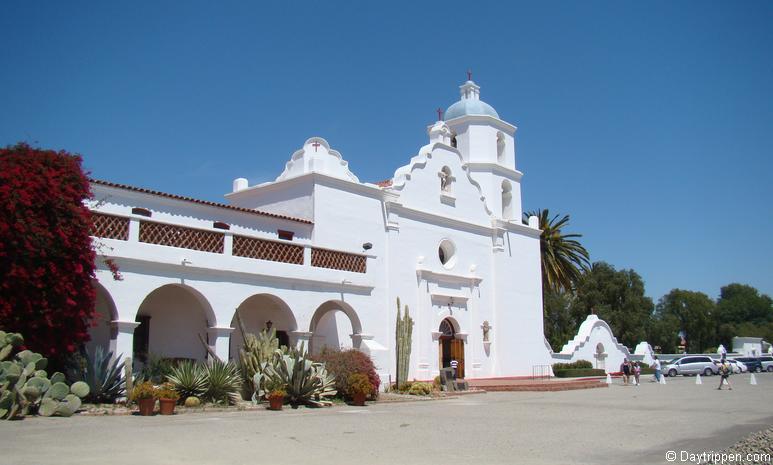
Discover California’s Largest Mission: San Luis Rey Day Trip Guide
Situated in a serene valley inland from Oceanside’s sunny beaches, Mission San Luis Rey de Francia stands as one of California’s most impressive and historically rich landmarks. Founded in 1798, this National Historic Landmark earned the title “King of the Missions” for its grand scale, architectural beauty, and once-vast agricultural empire. A visit here offers more than pretty adobe walls and bell towers — it provides a thoughtful window into California’s Spanish colonial past, the lives of the Luiseño people, and the enduring legacy of the Franciscan friars. Whether you’re a history buff, architecture lover, or simply seeking a peaceful escape, this self-guided day trip blends education, spirituality, and natural charm.
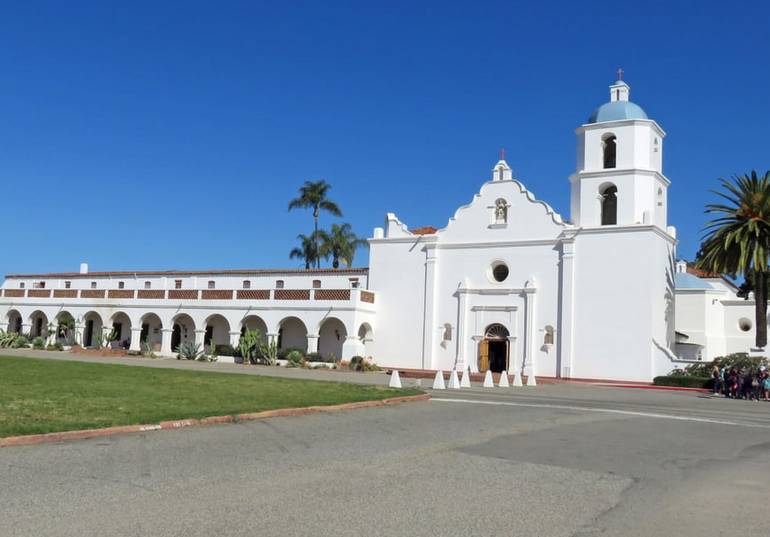
What to See and Do at Mission San Luis Rey
Plan on spending 1.5–3 hours exploring the grounds. Admission to the museum and self-guided tour is modest (adults $8, seniors/youth $5, under 5 free; active military free). The mission is open daily, 10 AM–4 PM. A free “King of the Missions” app provides an excellent audio-guided tour.
Museum and Gift Shop
Housed in the former friars’ living quarters beneath the Carriage Arch, the museum offers well-curated exhibits on Native American life, the Spanish mission era, Mexican secularization, and early American periods. Artifacts, photographs, and interpretive displays bring the mission’s “colorful history” to life. Don’t miss the gift shop and on-site coffee shop for a quick break.
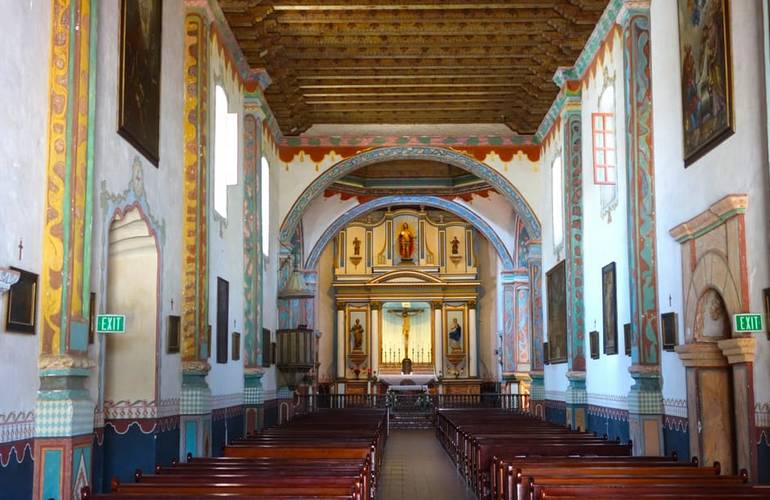
Historic Mission Church
Enter this active spiritual site respectfully as part of your self-guided tour. Admire the soaring interior, original decorative elements (many painted over but preserved beneath), wooden dome, and side altars. Photography is allowed, but be mindful of worshippers. The church remains a National Historic Landmark.
The Quadrangle and California’s Oldest Pepper Tree
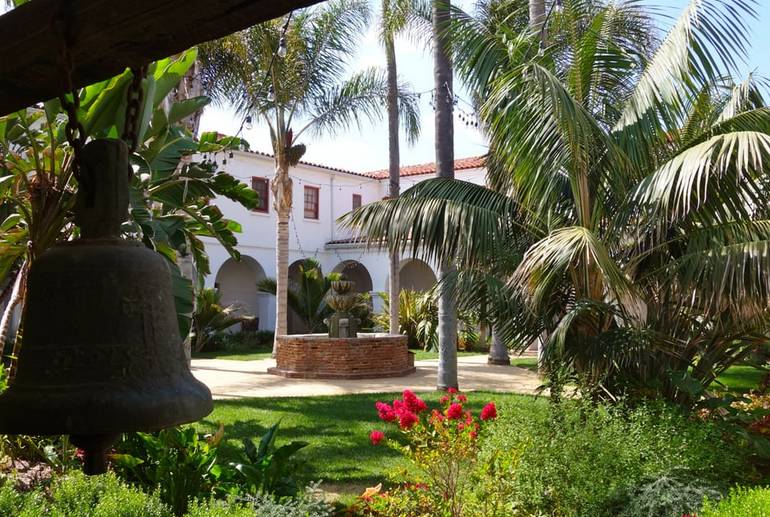
The central courtyard, once surrounded by workshops, kitchens, an infirmary, a winery, and storage, now serves as a peaceful retreat area. At its heart stands California’s first Peruvian pepper tree (Schinus molle), planted around 1830 by a sailor and brought from South America. Its gnarled branches and shade make it a favorite photo spot and a living symbol of the mission’s botanical legacy.
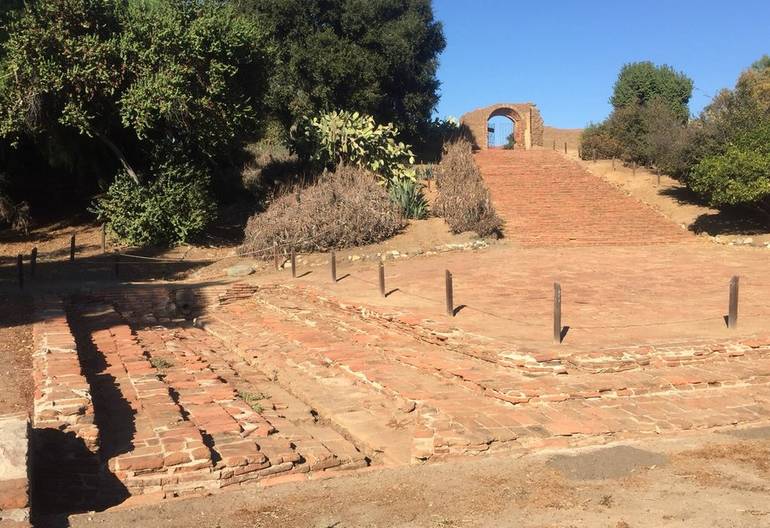
Open-Air Lavanderia (Sunken Gardens)
South of the main complex lies this unique engineering feat: an open-air laundry and bathing area with tiled stairways and carved gargoyles that once spouted water. The system cleverly channeled water from the San Luis Rey River to irrigate gardens and fields. Now partially excavated as an archaeological site, it highlights the mission’s advanced water management — impressive even by today’s standards.
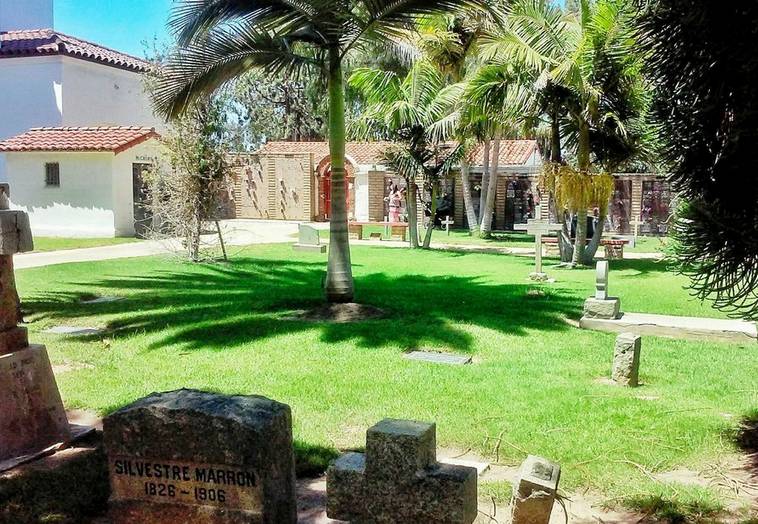
Mission San Luis Rey Cemetery
In continuous use since 1798, this is the oldest operating burial ground in North San Diego County. It holds the remains of Franciscan friars (in crypts), early Catholic pioneers, and — thanks to recent expansions — people of all faiths. Look for the traditional skull-and-crossbones motif above the entrance. In the 1950s, Walt Disney Studios even replaced the gates for “Zorro” filming. The serene setting invites quiet reflection.

Mission Architectural Highlights
Beyond the church, note the solitary bell tower, original decorative motifs, and the overall blend of styles. The mission’s scale — once the largest building in California — still impresses despite surrounding modern development.
A Brief History of Mission San Luis Rey
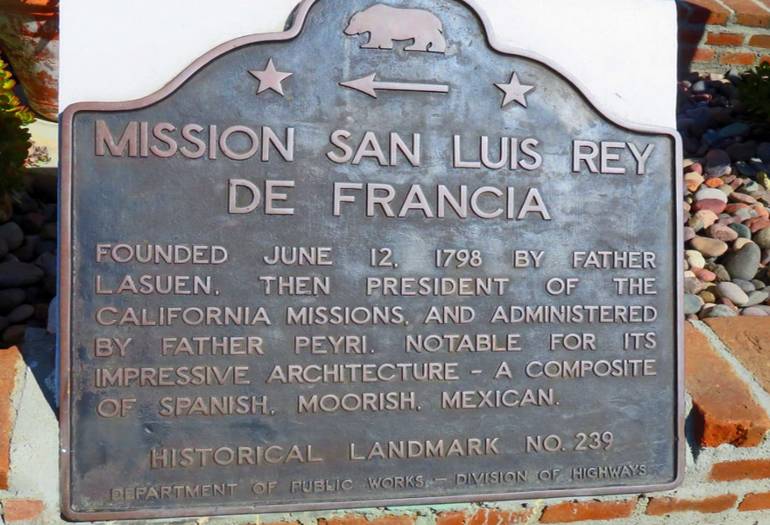
Father Fermín de Lasuén founded Mission San Luis Rey on June 13, 1798, as the 18th of California’s 21 Spanish missions. Named for Saint Louis IX, King of France, it was the last mission established by Lasuén, who succeeded Father Junípero Serra. The site, originally called “Icayme” by the local Luiseño (Payómkawichum) people, offered fertile land and a commanding view.
Under the leadership of Father Antonio Peyri, the mission flourished rapidly. By the early 1820s, it had grown into the largest and most prosperous in the chain. At its peak around 1825–1830, it housed nearly 3,000 baptized Native Americans — far above the average — and controlled vast lands spanning roughly 950,000 acres with over 56,000 head of livestock.

Construction of the grand church began around 1811 and was largely completed by 1815 (some sources note the first permanent structures as early as 1809). This cruciform church — the only California mission laid out like a European cathedral — featured a distinctive wooden dome, ornate side altars, a mortuary chapel (now the Madonna Chapel), and hand-painted decorations blending Spanish Colonial, Baroque, and Moorish influences.
Mexican secularization in 1834 dramatically changed the mission’s fate. Lands were sold or granted away, the Native population declined sharply, and the buildings fell into disrepair. After the U.S. takeover, the property briefly served as an Army base before President Lincoln returned it to the Catholic Church in 1865. The Franciscans returned in 1892, launching major restoration efforts that continued into the 20th century, including rebuilding the quadrangle (now a retreat center) and excavating the lavanderia.
Practical Tips for Your Visit
- Wear comfortable shoes for walking the grounds.
- Bring water and sunscreen; shaded areas are limited.
- Combine your visit with a picnic in the designated areas.
- Guided behind-the-scenes tours are available for an additional fee (Visit the Mission Website for more information.)
Nearby Points of Interest
Mission San Luis Rey pairs perfectly with other local attractions for a full day:
Heritage Park Village & Museum — A short drive away, this living-history park recreates early Oceanside with historic buildings and exhibits.
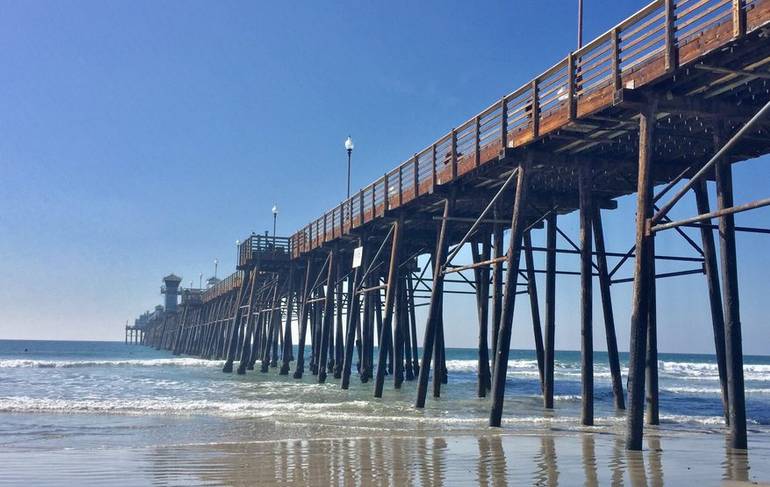
Oceanside Pier and Beaches — Head west for classic California coastal vibes, surfing, and fresh seafood.
North County Model Railroad Society — Great for families, just minutes from the mission.
Guajome Regional Park — Offers hiking, camping, and lake views in a natural setting.
California Surf Museum (in downtown Oceanside) — Celebrate surf culture after your history lesson.
FAQ: Visiting Mission San Luis Rey
How much does it cost to visit?
Museum admission is $8 for adults, $5 for seniors and youth (6–18), and free for children under 5 and active military/dependents. Grounds access may have separate considerations, but the main self-guided experience centers on the paid museum portion.
Is the mission wheelchair accessible?
Parts of the grounds and museum are accessible, but some historic areas (such as the lavanderia steps) are limited. Contact the mission in advance for details.
Can I attend Mass?
Yes, the church holds regular services. Check the website for the current schedule.
How long should I spend there?
Most visitors enjoy 1–2 hours for a self-guided tour; add time for a guided tour or relaxed exploration.
Are dogs allowed?
Leashed dogs are generally not permitted inside the museum or church, but may be allowed in certain outdoor areas — confirm on-site.
Is there parking?
Ample free parking is available on the grounds.
Best time to visit?
Mornings are cooler and less crowded. The site is open year-round, but spring wildflowers and fall milder weather enhance the experience.
Mission San Luis Rey de Francia remains a living testament to California’s layered past — a place where Spanish colonial ambitions, indigenous resilience, and Franciscan devotion intersect. Amid today’s suburban surroundings, its quiet courtyards, historic pepper tree, and soaring church still evoke a sense of days gone by. Whether you come for the architecture, the stories, or a moment of peace, this “King of the Missions” offers a rewarding, reflective day trip. The Mission is located at 4050 Mission Avenue, Oceanside, California.
Mission San Juan Capistrano Day Trip Itinerary: Things To Do
Explore the Queen of the Missions: Santa Barbara Day Trip Guide
Discover more from Daytrippen.com
Subscribe to get the latest posts sent to your email.