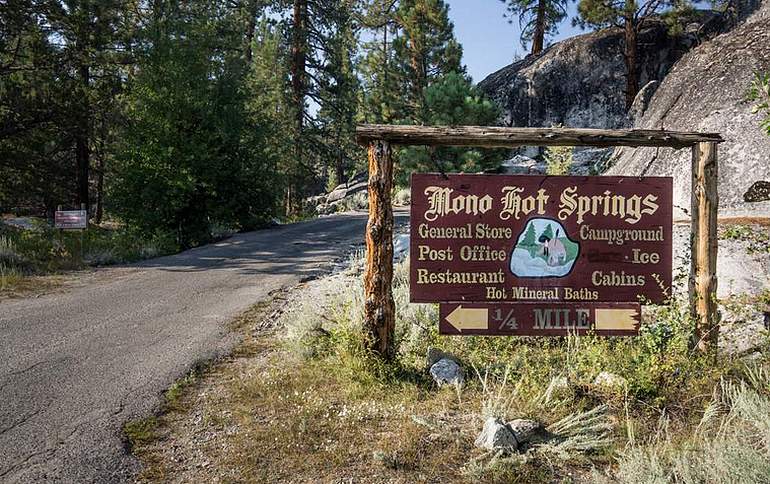
Mono Hot Springs Resort Guide: Fishing, Hiking & Hot Mineral Pools
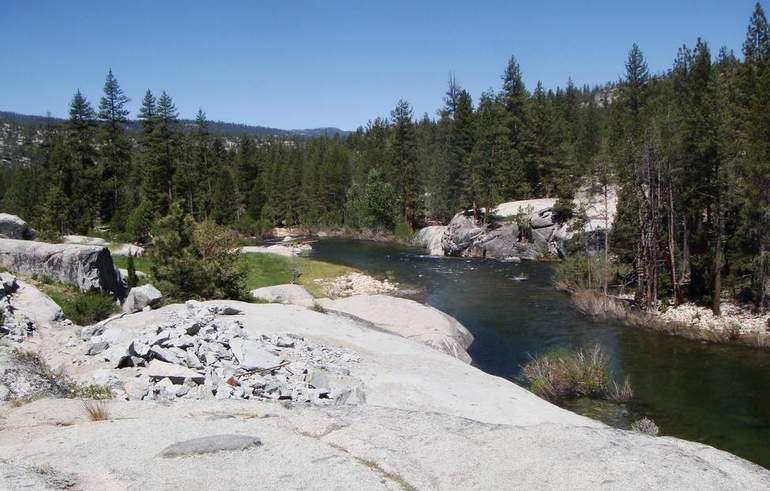
Mono Hot Springs sits deep in the Sierra National Forest northeast of Fresno, offering a true High Sierra wilderness experience with just enough comfort to make it accessible. At roughly 6,500–6,700 feet, the resort and adjacent campground rest beside the South Fork of the San Joaquin River amid granite, pine, and open meadows. Visitors come for the mineral-rich hot springs, historic cabins built from local river rock, trout fishing, short hikes to alpine lakes, and the chance to unplug. The drive over Kaiser Pass is an adventure in itself, and once you arrive, the pace slows dramatically. Cell service is limited or nonexistent, yet the general store provides free Wi-Fi so you are never completely cut off.
A Brief History of Mono Hot Springs Resort
Long before roads reached the area, Mono Indians guided travelers to the springs on horseback for their reputed benefits against joint pain and fatigue. Access improved dramatically when Southern California Edison built the Kaiser Pass Road as part of the massive Big Creek Hydroelectric Project. The road opened to the public in 1927, bringing fishermen, hunters, and early tourists into the upper San Joaquin drainage.
In 1934, the Civilian Conservation Corps constructed concrete-walled pools and a bathhouse on the south side of the river; remnants of those pools remain in use today. The following year, Walter Hill, a contractor from Sanger, secured a Forest Service permit and began building the resort with help from his family. The general store and first wooden cabins opened in 1937. Over the next decade, Hill and his partners added the distinctive cobblestone cabins, using native river rock gathered each summer.
By 1949, the resort included about two dozen cabins, a café, and the store. The Winslow family later purchased the property and continued the same low-key, rustic approach. Many of the original stone cabins and the spirit of the 1930s development survive today.
Soaking in the Mineral Pools and Natural Springs
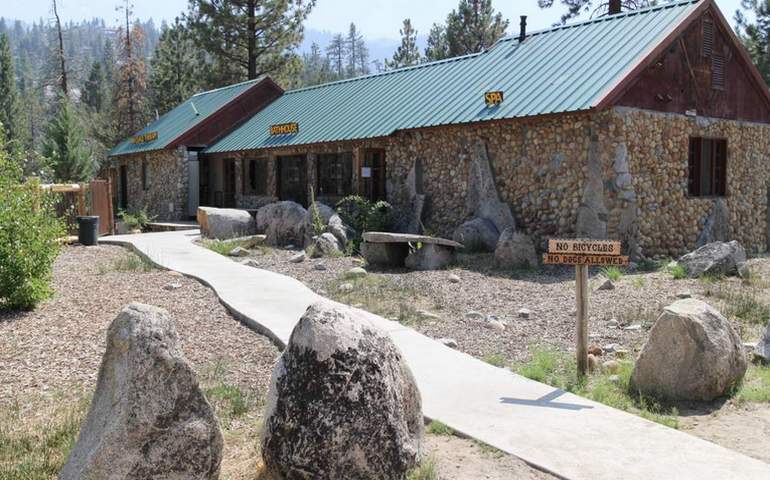
The mineral water is the heart of the place. Resort guests and campers receive free access to the bathhouse and outdoor spa. Private indoor tubs (cast-iron or tiled) are filled with water typically maintained at 100°F to 104°F. The outdoor spa offers longer soaks with views toward 12,000-foot Mount Hooper.
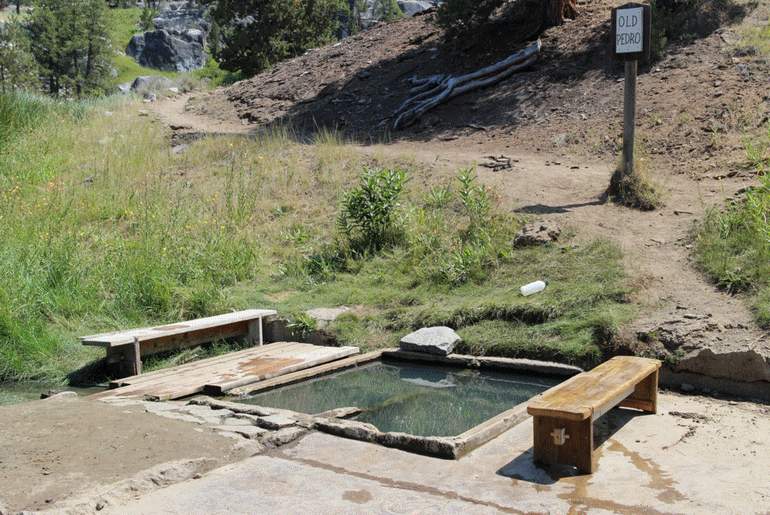
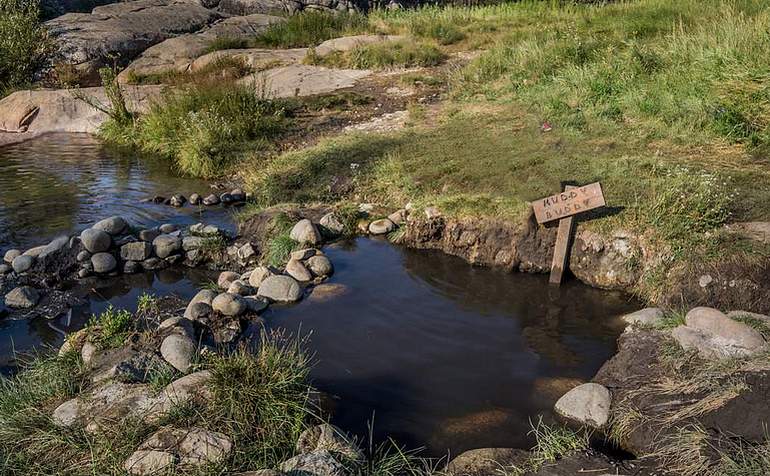
Across the river—reached by a short walk and a log crossing—lie roughly a dozen natural and semi-developed pools of varying temperatures. Old Pedro, one of the most popular, often runs 106–107°F and is best enjoyed in short sessions. Iodine Spring and several other cement-lined or rock-lined pools run cooler and allow longer soaks. Some of the more remote natural pools are clothing-optional by long-standing custom. The general store staff can point you toward the quieter spots. Bring water shoes or sturdy sandals; the bottoms can be slippery or muddy, and the mineral water leaves a distinct sulfur scent on clothing and towels.
Day visitors can purchase a pass when the store is open (typically around $20–$25 for adults in recent seasons; confirm current rates by phone). Guests staying in cabins or the campground soak without extra charge.
Outdoor Adventures Around Mono Hot Springs
Fishing is excellent in the San Joaquin River and Mono Creek for rainbow and brown trout. Smaller streams and higher lakes hold brook and golden trout. A California fishing license is required.
Doris Lake sits only about one mile from the resort via an easy-to-moderate trail that climbs through forest and granite. The spring-fed water stays relatively comfortable (around 70°F in midsummer) and is a favorite swimming spot from mid-June through early September. Continue another three-quarters of a mile past Doris to reach Tule Lake, also spring-fed and good for a dip. More ambitious hikers can reach Corbett, Givens, and Cunningham Lakes on a steeper 3- to 5-mile outing that rewards with high-country scenery and additional fishing.
Off-road exploration is possible on Forest Service and old logging roads, most of which require high-clearance or four-wheel-drive vehicles. Edison Lake (also called Lake Thomas A. Edison) lies a short drive away and offers boating, kayaking, and a seasonal ferry that connects to the John Muir and Pacific Crest Trails. The area is classic High Sierra terrain—granite basins, meadows, and big views—without the heavy crowds of Yosemite or Kings Canyon.
Staying Overnight: Cabins and Camping Options
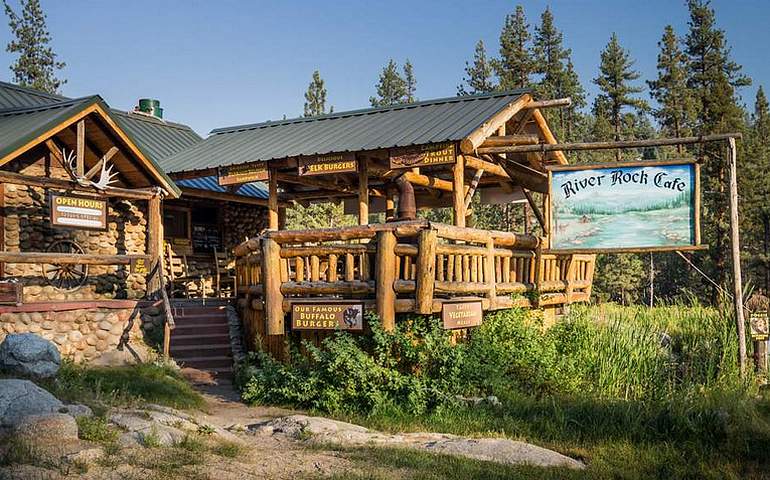
Mono Hot Springs is close enough for a long day trip from Fresno, but most visitors stay overnight. The resort offers historic stone housekeeping cabins (one- and two-bedroom units with kitchens or kitchenettes), simpler one-room camping cabins, and tent cabins. Many of the stone cabins feature river-rock fireplaces or walls and retain a genuine 1930s–1940s character. None of the accommodations include televisions or traditional electrical outlets in the classic units; lighting is often propane, and the absence of modern distractions is part of the appeal. Bedding and towels are provided. All cabin guests receive free use of the bathhouse and spa.
The adjacent Mono Hot Springs Campground (Forest Service) has about 30 sites along or near the river under lodgepole pine and aspen. Sites accommodate tents and small RVs or trailers (vehicles over 25 feet are strongly discouraged on Kaiser Pass Road). There is no potable water at the campground itself, but water and supplies are available at the resort store. Vault toilets and bear-proof food lockers are provided. Reservations for the campground are made through Recreation.gov; the resort handles its own cabin bookings by phone only.
The season for both the resort and Kaiser Pass Road runs from May (Memorial Day weekend) through October, weather permitting. Cabins and the better campsites fill early, especially the historic stone units. Call 559-325-1710 year-round for reservations. The resort is family- and pet-friendly (leashed dogs are welcome, though rules around the bathhouse are stricter).
Dining and Supplies at the Resort
The River Rock Café is the only sit-down dining option on site and serves casual meals during the season. The general store stocks basic groceries, ice, firewood, fishing supplies, and a few souvenirs, but prices reflect the remote location. Stock up on food, drinks, and any specialty items in Fresno, Shaver Lake, or Huntington Lake before heading over the pass. Many guests cook in their cabins or at the campsite.
How to Get to Mono Hot Springs
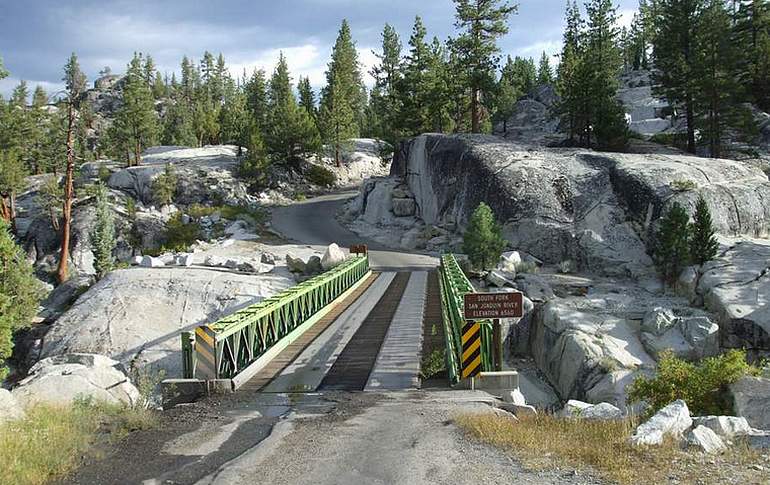
From Fresno, take Highway 168 northeast toward Huntington Lake (approximately 70–77 miles total to the resort). Just before the community of Lakeshore, watch for the large Mono Hot Springs / Kaiser Pass Road sign and turn right. The final 16–17 miles climb over Kaiser Pass (about 9,200 feet) and then drop into the San Joaquin drainage. The last 12 miles are narrow, winding, and largely one-lane with steep drop-offs and limited turnouts. The road is paved and passable to ordinary passenger cars in summer, but drivers should drive slowly, especially when meeting oncoming traffic. Fill the gas tank at Lakeshore or earlier; there is no fuel at the resort.
Large RVs and trailers longer than about 25 feet are not recommended. The drive from Fresno typically takes 2.5 to 3.5 hours depending on traffic and road conditions. Once snow closes the pass in late fall, the resort shuts down until the following spring.
Tips for Your Visit
This is active bear country—store all food, trash, and scented items in the provided lockers or hard-sided vehicles. Bring layers; mountain weather changes quickly even in midsummer. Sturdy footwear is essential for the river crossing and rocky approaches to the natural pools. Print maps and confirmations in advance because cell coverage is unreliable. Massage appointments can be booked separately (check the resort site or call for the current number). The entire setting rewards unhurried time: morning soaks, afternoon lake swims, evening campfires, and the quiet of a place that still feels remote.
Whether you come for a single day of soaking and hiking or settle into a stone cabin for several nights, Mono Hot Springs delivers a classic Sierra experience that balances genuine wilderness with just enough civilization. The combination of history, mineral water, and high-country scenery keeps people returning year after year.
FAQ About Visiting Mono Hot Springs
When is Mono Hot Springs open?
The resort and Kaiser Pass Road are scheduled to open in mid-May and close at the end of October, subject to snow and weather conditions. Always confirm closer to your dates by calling 559-325-1710.
Do I need reservations?
Yes, for cabins and strongly recommended for the Forest Service campground. Cabins are booked only by phone. Campground sites can be reserved on Recreation.gov during the peak season.
Are the natural hot springs clothing-optional?
Some of the more remote natural pools operate under a long-standing clothing-optional tradition. The resort bathhouse and outdoor spa require swimwear.
Is the drive over Kaiser Pass difficult?
It is narrow and winding, with one-lane sections and drop-offs. Passenger cars handle it fine in summer if driven carefully, but large vehicles are not recommended. Allow extra time and fill up with gas before the final stretch.
Can I visit as a day-use guest?
Yes. Day passes for the bathhouse and spa are available when the general store is open. Many visitors also hike to the free natural pools across the river.
Is there cell service or Wi-Fi?
Cellular coverage is spotty to nonexistent. Free Wi-Fi is available at the general store.
Are pets allowed?
The resort is pet-friendly with leashed dogs welcome in most outdoor areas and cabins (confirm any cabin-specific rules when booking). Dogs are not allowed around the bathhouse facilities.
What should I bring?
Layers of clothing, sturdy shoes or water shoes, towels, a California fishing license if angling, cash or cards for the store and café, and enough food and drinks for your stay. Bear-aware food storage is required.
You Might Like These Remote Hot Springs
Benton Hot Springs: California’s Eastern Sierra
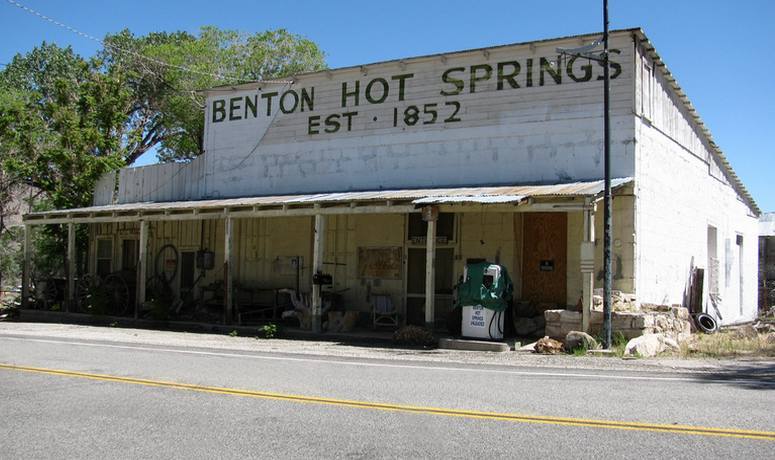
Benton Hot Springs used to be a stagecoach stop; now, it is home to the Benton Springs Inn. At one point, the town had a population of around 5,000 and was also a stop on the Carson and Colorado Railroad. Today, the town has only a few residents, but it still draws visitors to soak in the hot mineral water tubs. The heart of the experience at Benton Hot Springs lies in its 13 private hot tub sites, all fed by the area’s naturally healing mineral springs.
Grover Hot Springs State Park
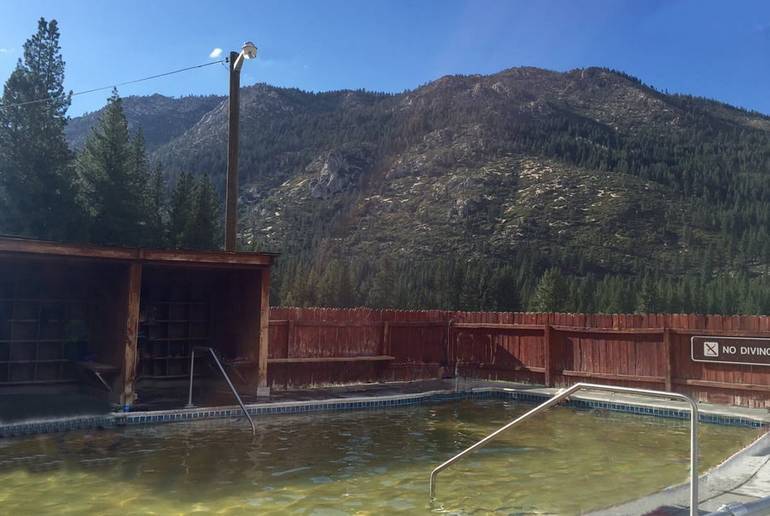
Grover Hot Springs State Park is a 553-acre park established in 1959. It features a pool built in the 1950s that contains hot spring water. On a cold winter’s day, visitors can relax and soak in the greenish-colored waters that refract the mineral deposits on the pool’s bottom. Grover Hot Springs State Park is approximately 120 miles east of Sacramento on US-50.
Tecopa Hot Springs Near Death Valley
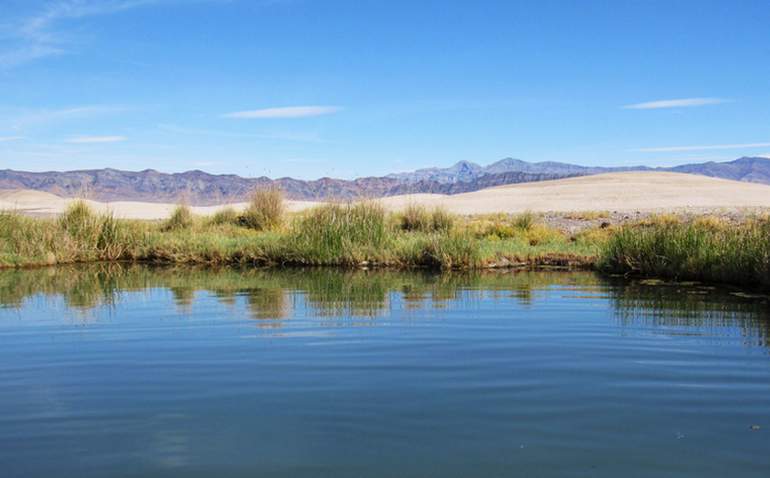
Tecopa Hot Springs is the perfect place if you have spent a long day hiking and want to relax and feel rejuvenated. The natural spring water here refreshes the skin and leaves it feeling smooth. You can find public hot springs in Tecopa, as well as several older spas that charge a daily fee. Nude dipping is common in these hot springs. If you plan to stay the night, Tecopa Hot Springs Resort offers a range of accommodation options.
Discover more from Daytrippen.com
Subscribe to get the latest posts sent to your email.