- 29
- 41shares
San Joaquin Wildlife Sanctuary Irvine: Trails, 300+ Birds & Urban Oasis Escape
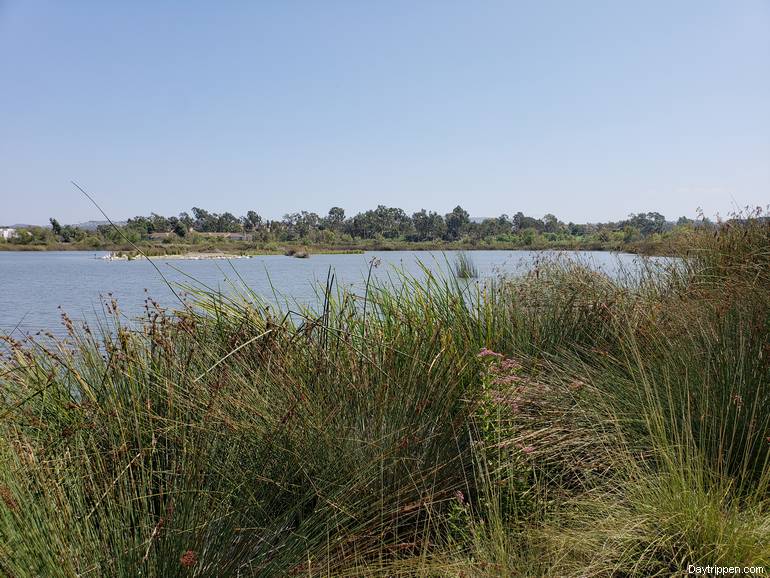
San Joaquin Wildlife Sanctuary, also called San Joaquin Marsh Wildlife Sanctuary, sits just minutes from the busy San Diego Freeway (I-405), tall buildings, and the UC Irvine campus. This peaceful 300-acre freshwater wetland is a hidden gem, giving you easy access to nature in the middle of Orange County. It’s a great spot for birdwatching, relaxing walks, photography, or just enjoying the sights and sounds of wildlife.
If you live nearby and want a quick break, love birdwatching, or are a family looking for an outdoor learning experience, this free sanctuary will surprise you with its variety of wildlife and peaceful setting. It’s open every day from dawn to dusk with no admission fee, making it an easy way to enjoy nature close to home.
History of the San Joaquin Marsh: From Duck Hunting Clubs to Protected Sanctuary
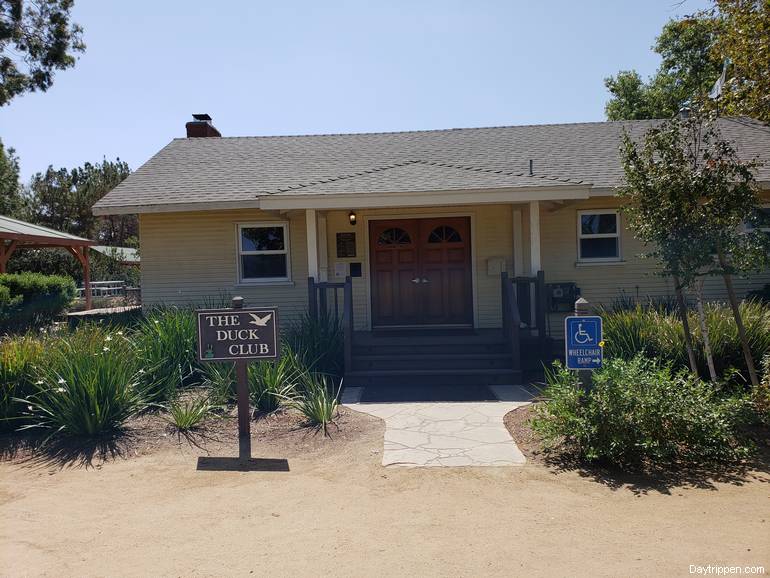
Birding and wildlife observation at San Joaquin Marsh date back over a century. In the early days, the area served as a private duck-hunting club. The historic Duck Club building originated as the Tustin Air Base duck-hunting club and was relocated here. By the early 1960s, only two clubs remained in the region: the 20-Ranch and the Old San Joaquin.
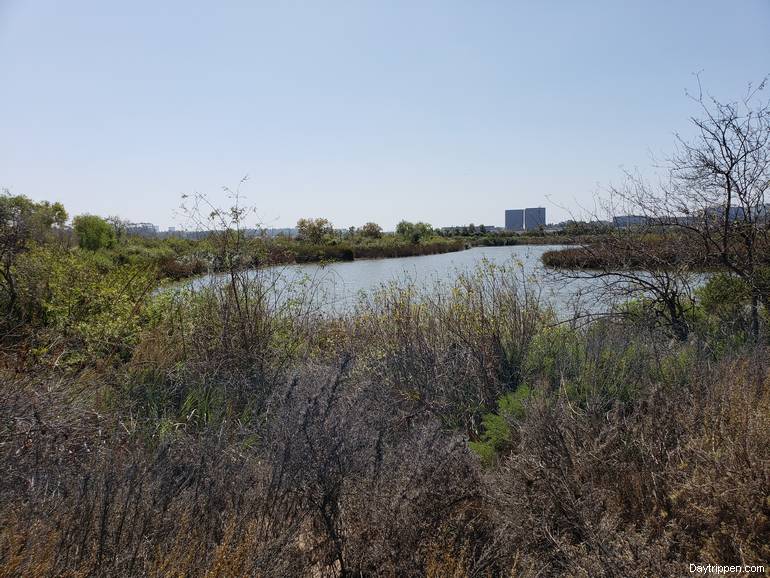
Hunting stopped in the mid-1980s as Irvine grew and new buildings filled the area. The old hunting grounds and nearby water treatment ponds along San Diego Creek were turned into a thriving sanctuary for migratory birds and other wildlife. Wetland restoration started in 1988 and finished around 2000. Today, the sanctuary serves two purposes: it is a key part of the Irvine Ranch Water District’s (IRWD) Natural Treatment System, which cleans urban runoff by removing up to 75% of nitrogen, and it helps protect the sensitive Upper Newport Bay.
What to Expect: Trails, Wildlife & Facilities
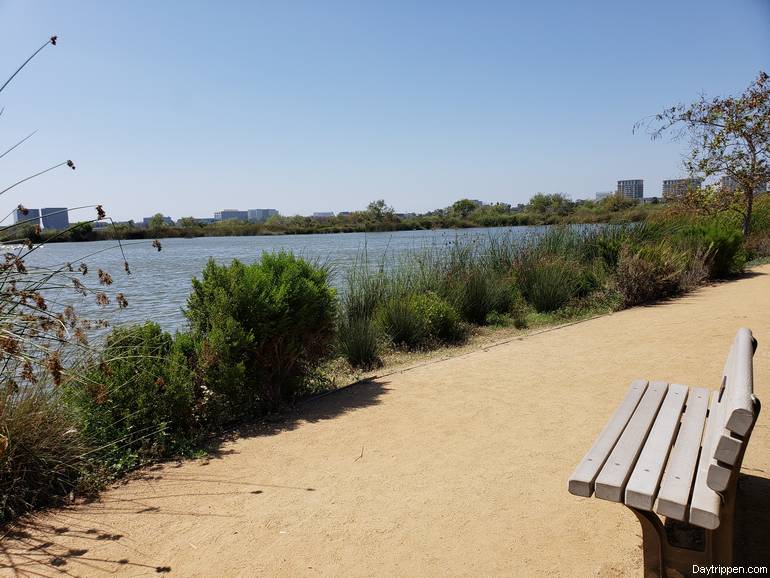
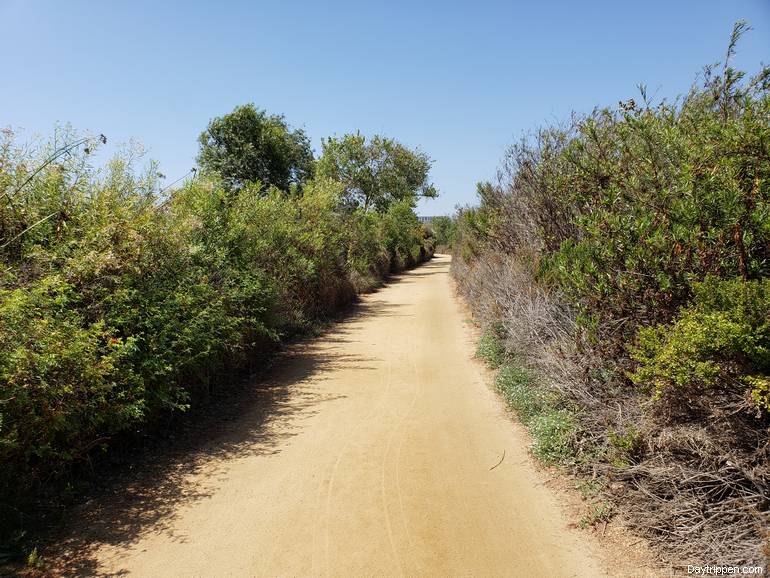
The sanctuary has about 12 miles of mostly flat, well-kept trails that go around ponds, streams, bridges, and restored wetlands. There are plenty of benches for resting and watching wildlife, as well as signs with information. Popular short loops include the South Loop (about 1 mile, easy) and the Fledgling Loop, which are great for beginners or anyone with limited time. Many paths are wide and accessible, but there is little shade, so bring sun protection, especially during midday or summer.
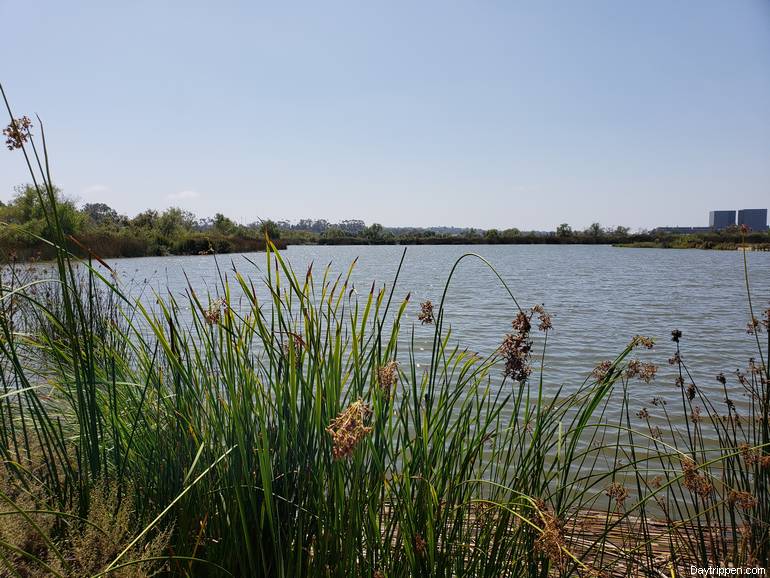
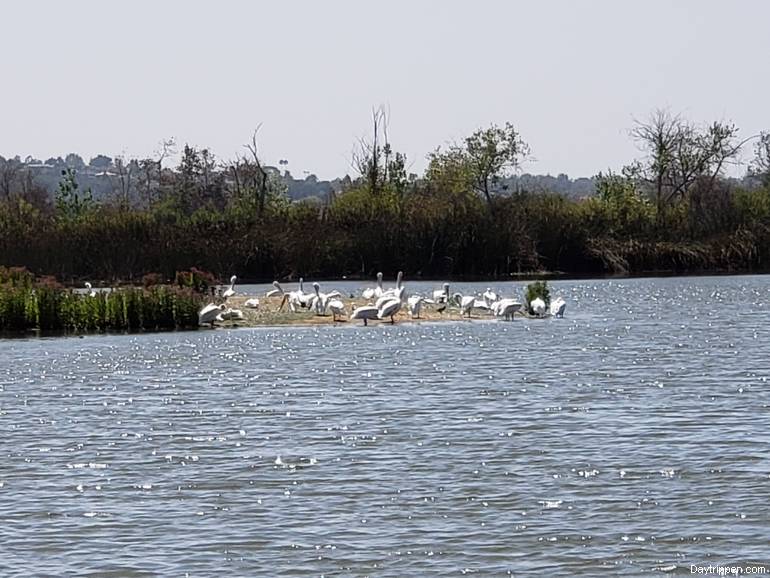
More than 300 bird species have been seen here, making it one of the top birding spots in Southern California. You can see waterfowl, shorebirds, raptors, songbirds, and seasonal migrants along the Pacific Flyway. Bring binoculars and a camera. Early morning or late afternoon is usually the best time to spot butterflies, dragonflies, and other wildlife, including turtles. The sanctuary is home to one of the largest groups of native southwestern pond turtles in the county.

Audubon House is the visitor center and home to the Sea & Sage Audubon Society. Stop by (usually open 8 AM to 4 PM daily, except major holidays) to look at books, pamphlets, and taxidermy displays, pick up a trail map, and talk with helpful volunteers. Donations are welcome and help support education and conservation.
The historic Duck Club building next door provides extra space for events or quiet reflection. There are picnic tables near the entrance and restrooms, but keep in mind that facilities are limited, so plan ahead.
Tips for Your Visit:
- Pick up a map at Audubon House or in the parking area. The trails connect with each other, so it’s easy to walk farther than you expect.
- No bikes, drones, dogs (leashed or unleashed), horses, or vehicles allowed inside the sanctuary for wildlife protection. Park bikes at Audubon House.
- Mosquitoes may be present; use a repellent and check the Orange County Vector Control guidelines.
- Combine with the adjacent bike path to Newport Bay for a longer outing.
Practical Info: Directions, Parking & Access
Address: 5 Riparian View, Irvine, CA 92612 (near UC Irvine, upstream from Upper Newport Bay).
You now enter via Campus Drive (not Michelson). From I-405, exit at Culver or University Drive and follow the signs carefully. Some turns onto Riparian View have restrictions depending on your direction. Free parking is available in paved and overflow lots, but these fill up quickly on weekends and during busy times, so try to arrive early.
The sanctuary is free and open dawn to dusk, seven days a week, and connects to regional trails. More information.

Nearby Attractions for a Full Day Trip
Kids or visitors who aren’t into birdwatching may enjoy spending about one to two hours here before looking for something more active. You can visit nearby Tanaka Farms for u-pick tours, strawberries, and family activities. Other good Orange County options include Upper Newport Bay Nature Preserve, Crystal Cove State Park, or the beaches along the coast.
Why San Joaquin Wildlife Sanctuary Deserves a Spot on Your OC Day Trip List
In an area famous for theme parks and busy freeways, San Joaquin Wildlife Sanctuary is a peaceful reminder of Orange County’s natural roots. With its mix of history, ecological value, and easy trails, it’s great for casual visitors, birders, photographers, or anyone who needs a break in nature. Whether you spend an hour walking or half a day exploring, you’ll leave feeling refreshed and more connected to Irvine’s wild side. You won’t regret finding this urban oasis.
FAQ: Visiting San Joaquin Wildlife Sanctuary Irvine
Is San Joaquin Wildlife Sanctuary free?
Yes, admission and parking are free. Donations at Audubon House support the Sea & Sage Audubon Society and maintenance.
What are the hours?
Open daily from dawn to dusk. Audubon House is usually staffed from 8 AM to 4 PM and is closed on major holidays. Check the IRWD or Sea & Sage websites to confirm hours.
Are dogs allowed?
No. Pets (dogs or otherwise) are not permitted to protect wildlife. Bikes, drones, and horses are also prohibited.
How many birds can I see?
Over 300 species have been recorded. Peak times are early morning or late afternoon; bring binoculars for the best experience.
Is it suitable for kids or beginners?
Absolutely. Flat trails and short loops make it family-friendly and easy. Pair with a map and educational stops at Audubon House for engagement.
What should I bring?
Water, sun protection, binoculars/camera, insect repellent, comfortable shoes, and a map. No shade on many trails.
Can I picnic or have events?
Picnic tables are located near the entrance. The Duck Club can be reserved for non-profit events. Contact IRWD or Audubon for more information.
Best Orange County Day Trips: Beaches, Trails, and Hidden Gems
Discover more from Daytrippen.com
Subscribe to get the latest posts sent to your email.