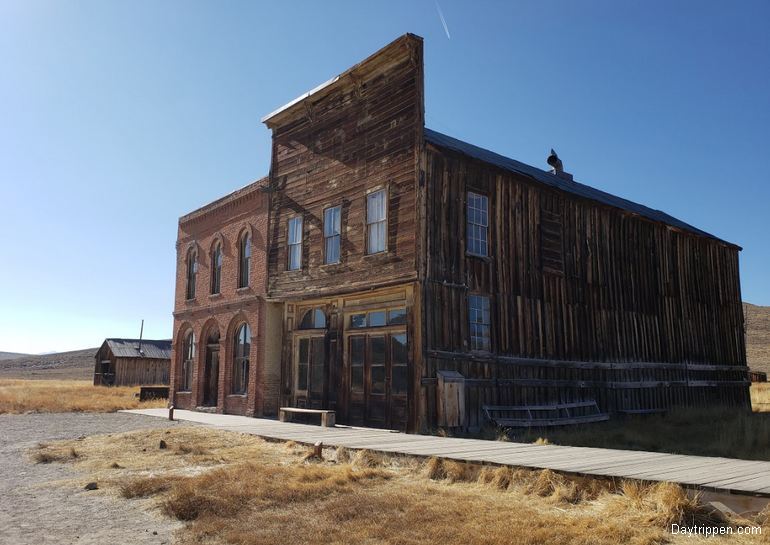
Guide to California Ghost Towns: Adventures in the Old West
Step back in time and explore California’s abandoned mining camps, railroad stops, and boomtowns. From “arrested decay” sites frozen in the Old West era to family-friendly restored attractions, these places tell tales of gold fever, silver strikes, and progress. Many are accessible by car, ideal for history buffs, photographers, and adventure seekers. Whether seeking authentic ruins or ghostly tourist spots, California’s ghost towns offer unforgettable day trips.
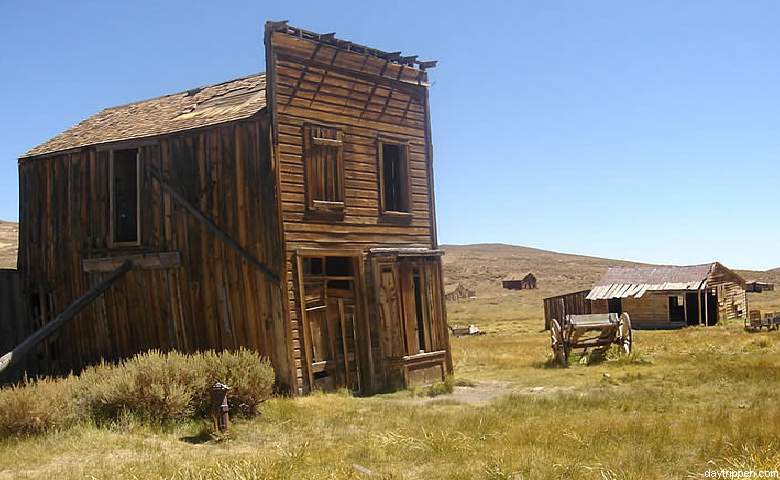
Bodie Ghost Town: California’s Official Gold Rush Relic
Bodie boomed as a gold-mining town in the late 1870s after a major discovery, reaching a population of around 10,000, with saloons, homes, a jail, and a church. It declined due to fires, harsh winters, and depleted mines, becoming fully abandoned by the 1940s. Today, it remains one of the West’s best-preserved ghost towns, with about 200 structures maintained in “arrested decay,” many still containing original furniture and goods, offering an eerie, authentic glimpse into the Gold Rush era.
Location and Access: High Sierra, 7 miles south of Bridgeport via Bodie Road (last 3 miles unpaved); Bodie State Historic Park, open year-round with an entry fee.
Why It Stands Out: California’s official Gold Rush relic, its remote setting, and truly haunted atmosphere make it feel untouched by time. Website.
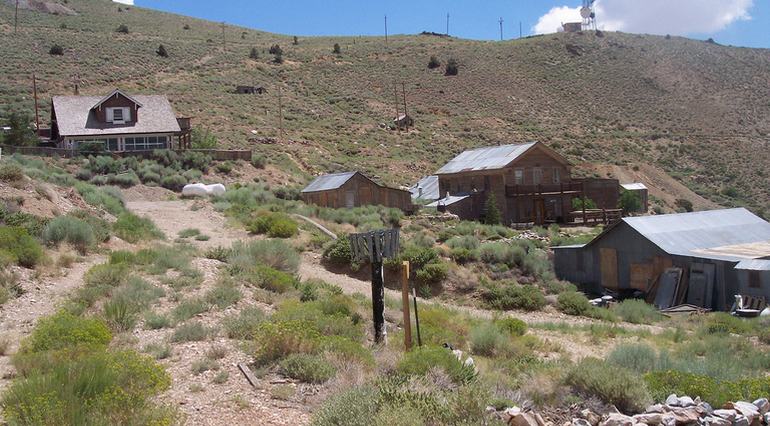
Cerro Gordo Ghost Town: High-Elevation Silver Legend
Cerro Gordo was one of California’s richest silver producers in the 1870s–1880s, supplying ore that fueled Los Angeles’ growth, yet it was notorious for its violent history. The high-elevation site features dramatic mountain-top views of Owens Lake, visible mine workings, the American Hotel, and various ruins. Ongoing restoration efforts by current owners keep the site active and accessible.
Location and Access: Inyo Mountains above Owens Valley, 8 miles up a steep gravel road from Keeler; private property, 4WD recommended, open daily 9 am–5 pm, no appointment needed.
Why It Stands Out: Represents the high-stakes, isolated silver-mining era through active preservation, bringing the site’s dramatic history to life.
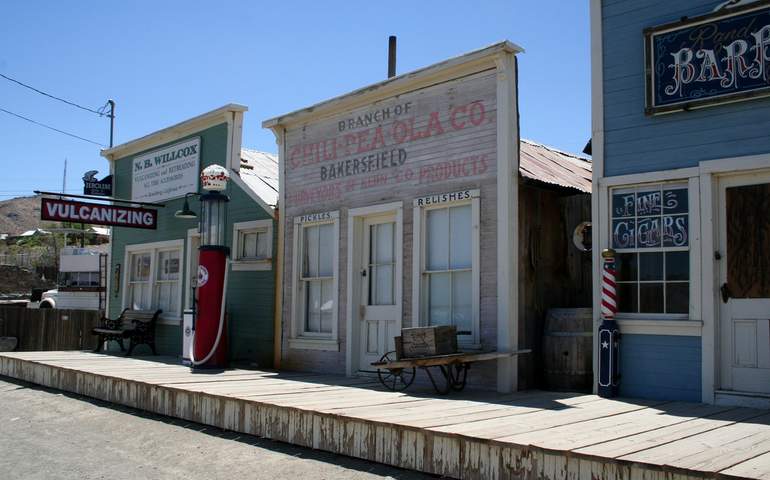
Randsburg Ghost Town: The Living Ghost Town of the Mojave
Randsburg emerged as a gold boomtown in the 1890s with thousands of residents, featuring saloons, a general store, and mining operations. Unlike many ghost towns, it never fully died; it evolved into a “living ghost town” with about 100 residents. Highlights include operational businesses such as a store famous for soda floats, a small jail, and rusted relics.
Location and Access: Kern County, off US Highway 395; paved roads directly to Butte Avenue (main street).
Why It Stands Out: Authentic weathered charm without heavy commercialization, blending genuine abandonment with small-town hospitality.
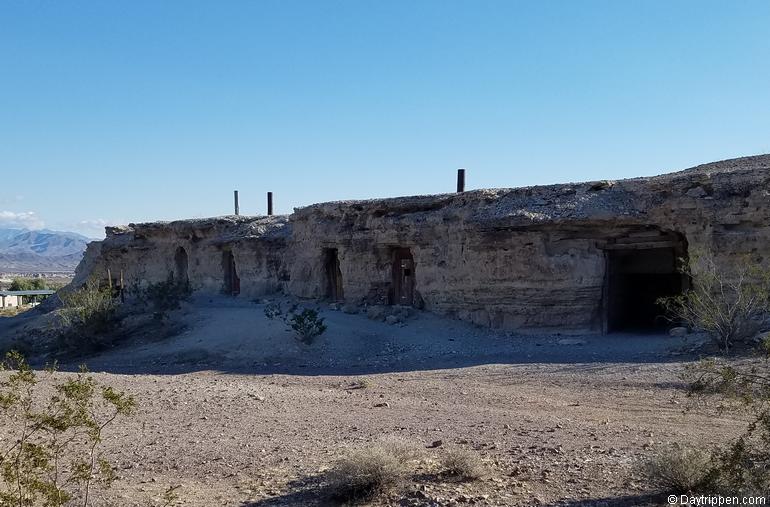
Dublin Gulch Miners Cave: Historic Cave-dwelling Community
This unique site was home to miners who carved dwellings directly into canyon walls, some with multiple rooms and even garages, using natural stone for insulation in the harsh desert. Occupied for over 100 years by prospectors, later hippies, and transients, it was abandoned in the mid-1970s. It showcases the ingenuity and adaptability of early desert dwellers.
Location and Access: Near Shoshone, California, at the entrance to Death Valley; easily reachable by standard vehicle.
Why It Stands Out: Rare surviving example of cave-dwelling communities in the American West, highlighting resourcefulness in extreme conditions.

Calico Ghost Town: Family-Friendly Silver Mining Adventure
Calico sprang up in 1881 during a major silver strike, growing to 1,200 residents and over 500 mines before silver prices crashed in the 1890s, leading to abandonment. Restored in the 1950s by Walter Knott, it now offers restored buildings, shops, restaurants, mine tours, gunfight reenactments, and a narrow-gauge railroad. It provides an engaging, lively experience of mining history.
Location and Access: Near Barstow in the Mojave Desert, off Interstate 15 (Ghost Town Road exit); fully paved with easy parking.
Why It Stands Out: Family-friendly “living history” attraction that’s more theme park than desolate ruin, ideal for an accessible introduction to ghost towns. Website.
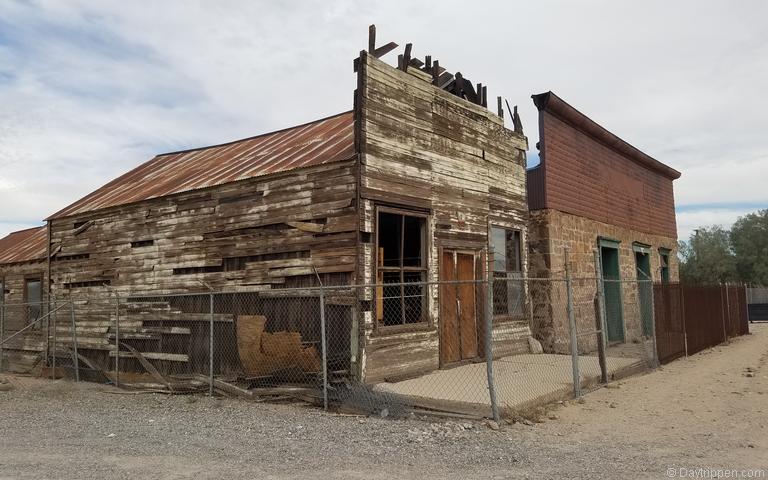
Daggett, California: Almost a Ghost Town
Daggett served as a bustling mining and railroad hub with saloons, hotels, and two railroads supporting nearby Calico and Borate mines. It featured structures like the Stone Hotel and Alf’s Blacksmith Shop, which built wagons for 20-mule teams. The town declined after the mines closed, but it retains classic desert railroad-town remnants.
Location and Access: Mojave Desert near Barstow, just off I-40/I-15; paved access, visible from the interstate.
Why It Stands Out: A borderline ghost town with a handful of residents, exemplifying early desert transportation and mining support hubs.
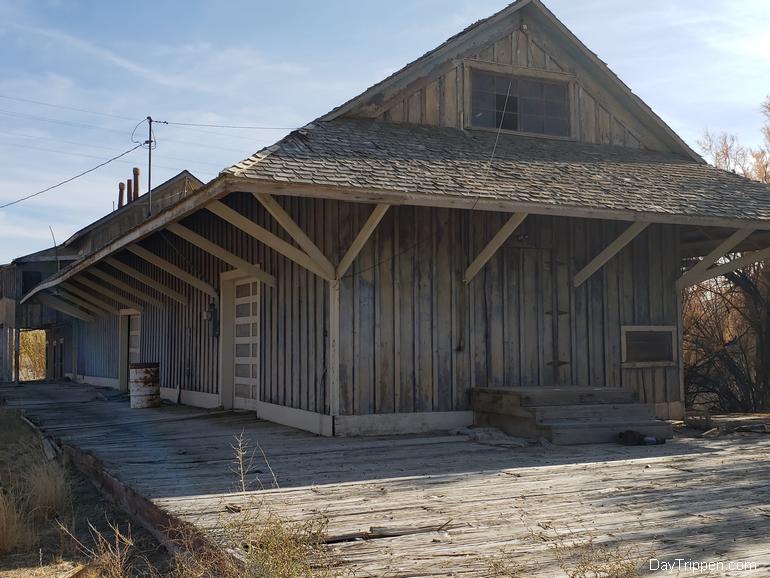
Keeler Ghost Town: Owens Valley Holdout
Keeler supported the Cerro Gordo mines and railroad, with around 2,500 residents, before the diversion of Owens Valley water to Los Angeles dried the lake and drastically reduced the population. Today, about 50 residents remain, amid dilapidated structures such as a train depot, an old swimming pool, and ruins against the stark, dry lakebed. It serves as a poignant reminder of regional water conflicts.
Location and Access: Eastern shore of (mostly dry) Owens Lake, directly off US 395 south of Lone Pine.
Why It Stands Out: Living symbol of the Owens Valley water wars and the environmental impact of urban development on desert communities.
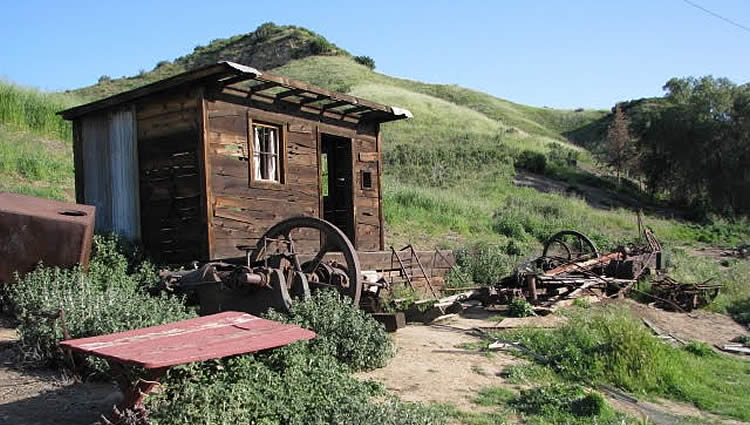
Mentryville Ghost Town: California’s First Oil Town
Founded in 1876 around California’s first commercially successful oil well, Mentryville was named after pioneer driller Charles Mentry and grew as an oil boom settlement. Highlights include a restored 13-room mansion, a one-room Felton schoolhouse, a period barn, and oil-related artifacts along trails. It represents an unusual non-mining boom in California’s resource history.
Location and Access: Santa Susana Mountains near Newhall (Los Angeles area), in Pico Canyon; short drive from I-5 with parking and trails.
Why It Stands Out: California Historical Landmark showcasing the state’s early oil industry, a rare oil-focused ghost town.
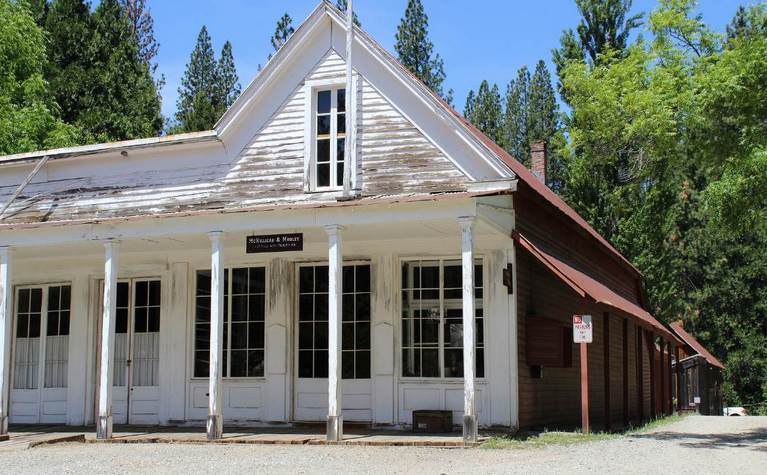
North Bloomfield (Malakoff Diggins)
North Bloomfield grew from a mining camp to nearly 2,000 residents in the 1870s as the site of the West’s largest hydraulic mining operation. The massive operation created eroded cliffs and was banned in 1884 due to environmental devastation. The park preserves buildings, offers a museum, and interpretive trails highlighting the dramatic landscape changes.
Location and Access: Inside Malakoff Diggins State Historic Park, Nevada County; paved and dirt roads with a visitor center.
Why It Stands Out: Illustrates the huge impact of hydraulic mining and an early environmental conservation victory through its altered, otherworldly terrain. Website.
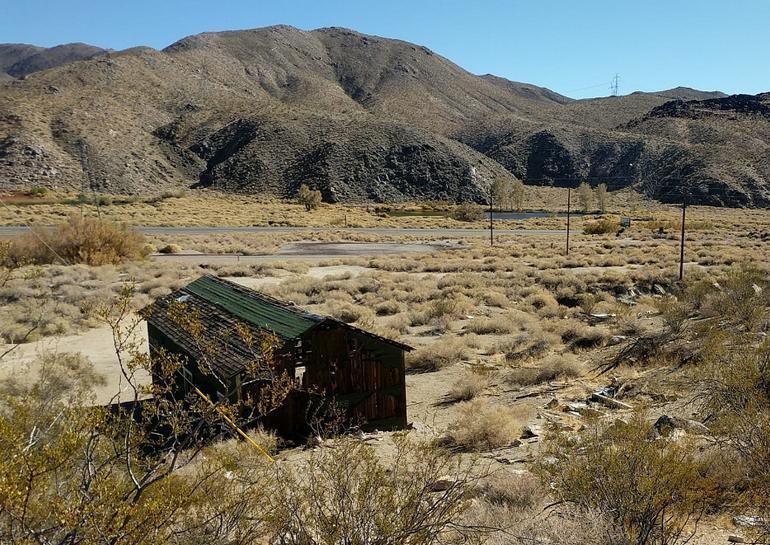
Little Lake: Historic Owens Valley Stop
Little Lake served as a key rest stop for travelers between Los Angeles and the Eastern Sierra, featuring a hotel, restaurant, and a dammed lake. The 1905 damming of the Los Angeles Aqueduct altered the site forever, leaving remnants of old buildings and a now often-dry lake. It ties directly to the controversial water project that reshaped the region.
Location and Access: Inyo County, just off US 395 at the southern end of Owens Valley; historic marker and roadside pullout.
Why It Stands Out: Direct connection to the Los Angeles water wars, representing a classic stage-and-auto-era waystation transformed by progress.
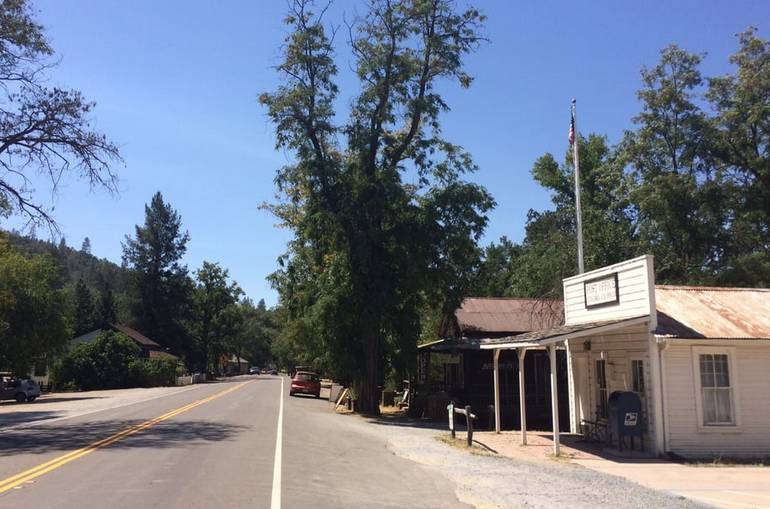
Coloma: Birthplace of the California Gold Rush
- Location and Access: In Marshall Gold Discovery State Historic Park along Highway 49. Easy paved access and ample parking.
- Highlights: Replica of Sutter’s Mill, miners’ cabins, general store, and Gold Discovery Museum. Well-preserved historic buildings throughout the park.
- History: James Marshall discovered gold here in 1848, sparking the California Gold Rush. A small modern community surrounds the preserved historic core.
- Why It Stands Out: Literally where the California Gold Rush began. More living history site than true ghost town, but essential to the story. Website.
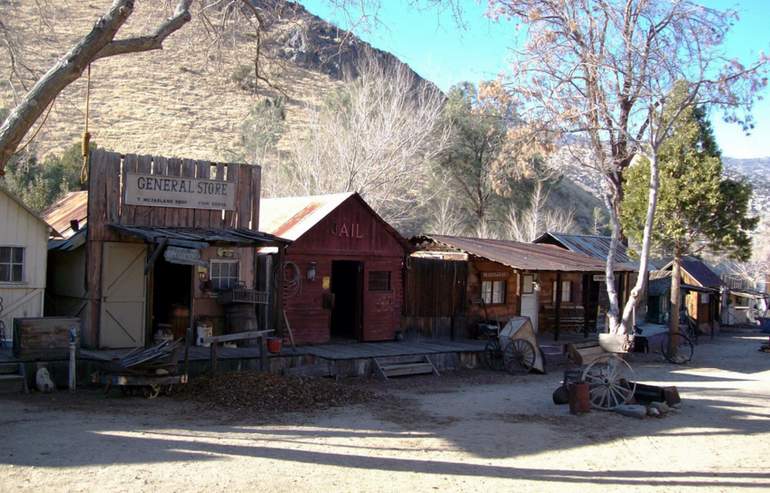
Silver City Ghost Town: Relic Collection at Lake Isabella
- Location and Access: Near Lake Isabella in Kern County. Just off Highway 178; easy paved access.
- Highlights: 20+ authentic relocated buildings filled with mining artifacts and creepy mannequin displays. Many items for sale in the main building.
- History: Buildings were salvaged from regional mining camps and frontier settlements and created as a private collection rather than an original townsite.
- Why It Stands Out: “Ghost town in a bottle” – concentrated dose of Old West relics. Great for antique lovers and photographers.
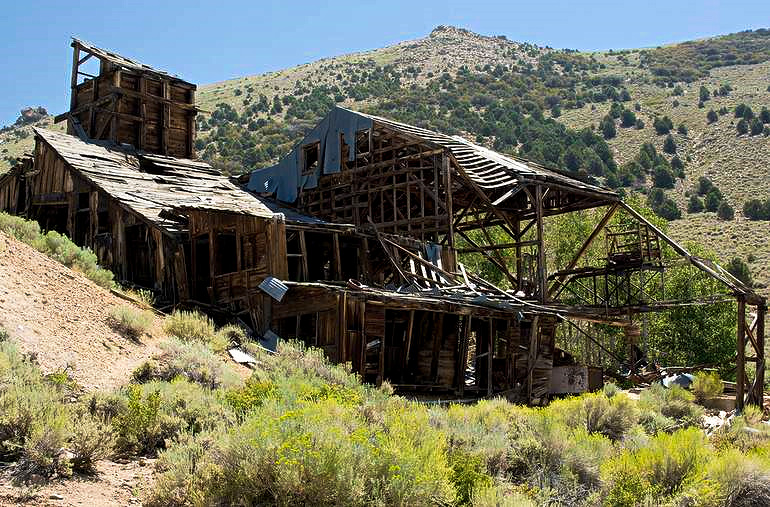
Chemung Mine: Back-Road Companion to Bodie
- Location and Access: Mono County on the back road to Bodie. 15 miles from Bridgeport Reservoir via Masonic Road (dirt/gravel); 4WD sometimes needed.
- Highlights: Well-preserved mine buildings and mill ruins. Nearby, smaller sites and ruins of the ghost town of Masonic.
- History: An active gold mining area in the early 20th century. Part of the broader Aurora-Bridgeport mining district.
- Why It Stands Out: An excellent side trip for Bodie visitors seeking more remote ruins.
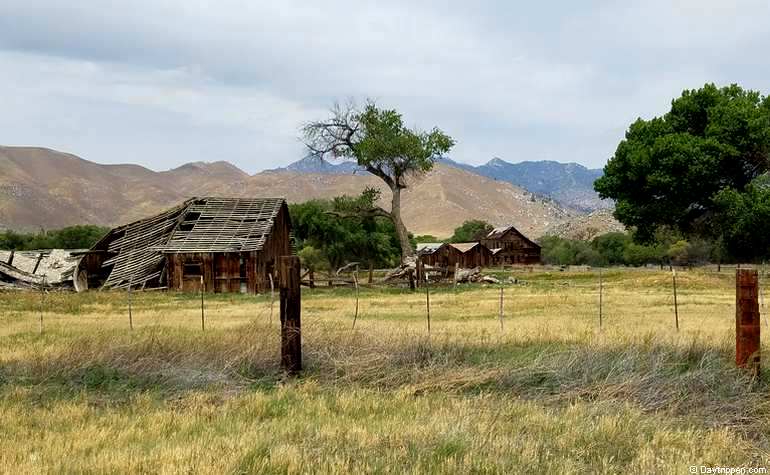
Brown Flour Mill: Private Property-View From Roadside
- Location and Access: Kern River Valley east of Lake Isabella. Visible from Highway 178 or along a nature trail in Kern River Preserve.
- Highlights: One of the oldest structures (1878) in the valley. Buildings are off-limits but easily viewed from the road/trail.
- History: Part of the original Andrew Brown Ranch. Served early settlers and miners in the area.
- Why It Stands Out: Rare surviving agricultural relic among mining-focused sites. Peaceful contrast to typical ghost-town desolation
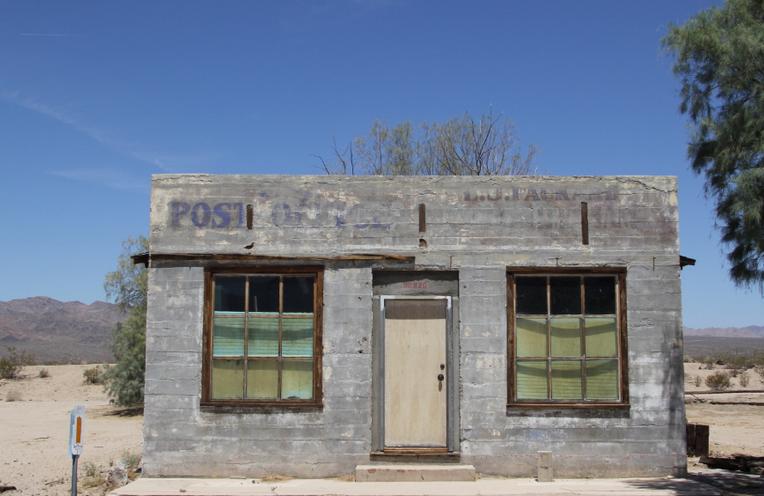
Railroad enthusiasts will enjoy Kelso: Mojave Railroad Ghost.
- Location and Access: Accessible via Kelbaker Road; the restored depot has a visitor center.
- Highlights: Beautifully restored 1924 Mission-Revival train depot (now museum). Scattered ruins of the former town.
- History: The population neared 2,000 during WWII when the nearby Vulcan Mine was active. Union Pacific helper station; it declined after diesel locomotives eliminated the need for helpers.
- Why It Stands Out: The iconic restored depot is one of the finest railroad buildings in the desert. Great example of a railroad-dependent town. Website.
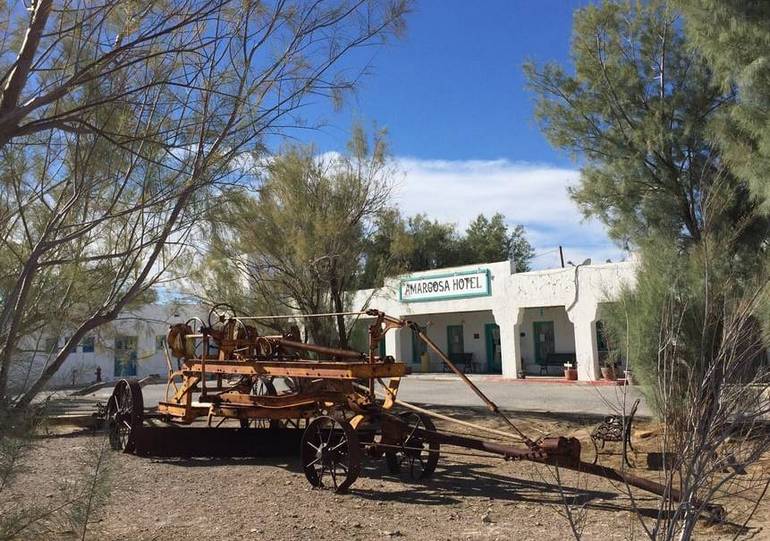
Death Valley Junction: Amargosa Opera & Café
- Location and Access: Just outside Death Valley National Park on Highway 127/190. Paved access; a small settlement still exists.
- Highlights: Amargosa Opera House is open for tours and occasional performances; the café is open weekends. Closed gas station and sparse ruins of borax works.
- History: Bustling stop on the Tonopah & Tidewater Railroad. Home to the historic Amargosa Hotel and opera house, restored by Marta Becket.
- Why It Stands Out: Quirky blend of abandonment and eccentric revival through the opera house. The Gateway lies between Las Vegas and Death Valley.
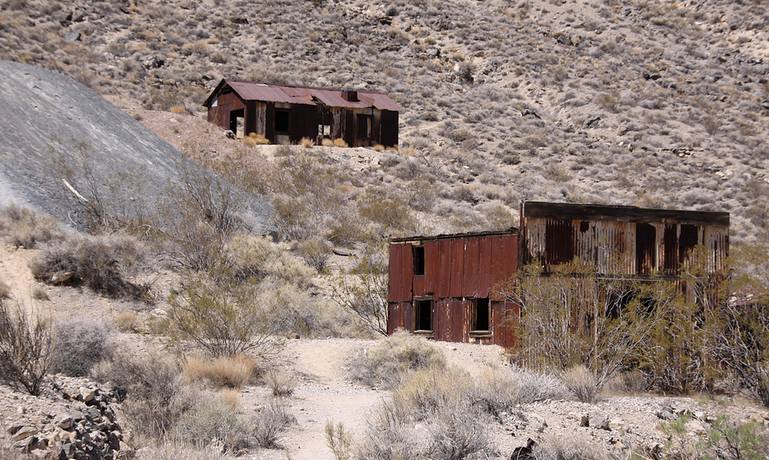
Leadfield Ghost Town (Titus Canyon)
- Location and Access: Death Valley National Park in Titus Canyon. One-way dirt road through Titus Canyon (high-clearance recommended) or hike in.
- Highlights: Scattered ruins and mine openings along the canyon. Short but dramatic scenic drive.
- History: Short-lived 1926 boom orchestrated by promoter C.C. Julian. No significant lead ever mined – classic stock scam town.
- Why It Stands Out: Perfect example of a fraudulent boomtown that lasted only months. Stunning location in a narrow canyon.
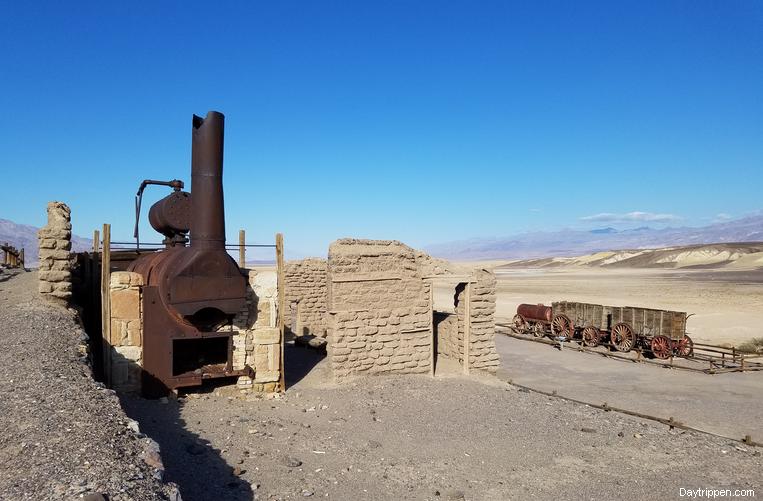
Harmony Borax Works: Death Valley, California
- Location and Access: Death Valley National Park, 1 mile north of Furnace Creek Visitor Center. Short paved road and easy interpretive trail.
- Highlights: Ruins of adobe buildings, mill, and the 20-mule-team wagon display. Excellent interpretive signs explaining borax processing.
- History: Operated 1882–1888; processed borax with primarily Chinese labor. Made famous by the 20-mule-team wagons that hauled borax to Mojave.
- Why It Stands Out: Iconic Death Valley site tied to the borax industry and “Death Valley Days.” One of the most accessible and educational ruins in the park.
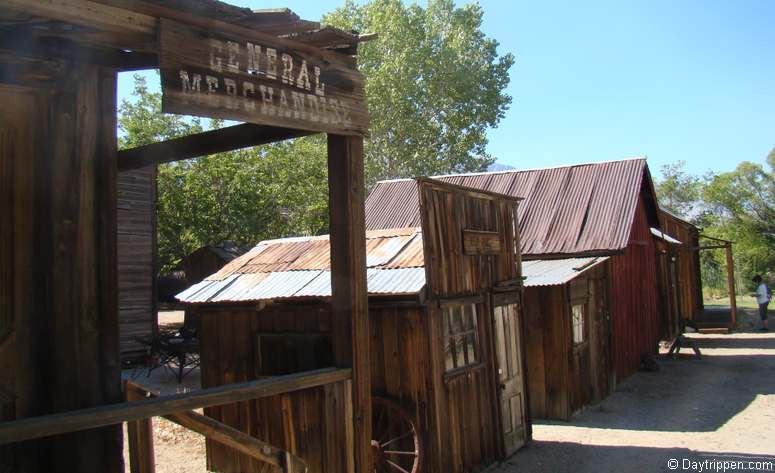
Little Pine Village: Independence, California
- Location and Access: On the grounds of the Eastern California Museum in Independence. Along US 395; free museum entry.
- Highlights: Collection of buildings salvaged from Owens Valley mining camps. Extensive artifact displays inside the museum.
- History: Structures relocated from various regional ghost towns and camps and created to preserve Owens Valley pioneer history.
- Why It Stands Out: “Ghost town museum” – concentrated relics in one convenient spot. Great stop along Highway 395 while traveling. Website.
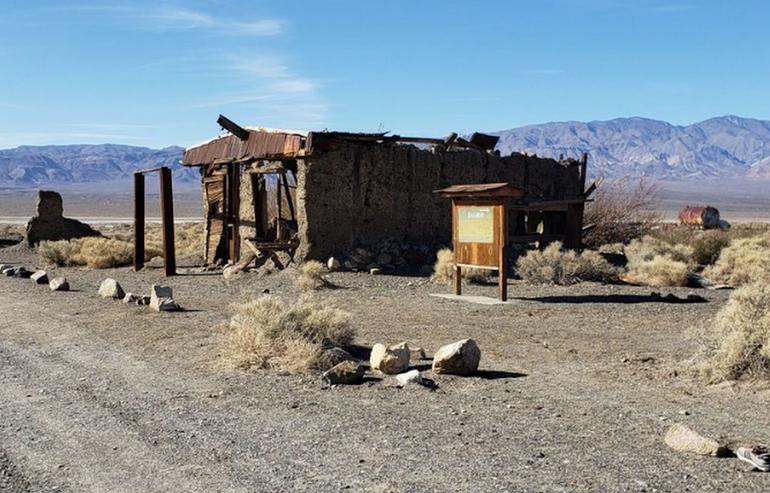
Ballarat Ghost Town: Panamint Valley Outpost
- Location and Access: Panamint Valley off Trona Road (from CA-178). Dirt access road; high-clearance vehicle recommended.
- Highlights: Sparse ruins and an occasional trading post (hours unpredictable). Vast desert solitude, known as Charles Manson’s last hideout area.
- History: The short-lived 1897–1905 boom supported several hundred residents with saloons, hotels, and a post office. Served mines in the Panamint Range; abandoned when ore ran out.
- Why It Stands Out: One of California’s most remote and desolate ghost towns. True “middle-of-nowhere” feeling with almost no modern intrusion.
Explore More Ghost Towns in the Southwest
California’s ghost towns evoke the Gold Rush. Still, Nevada and Arizona feature dramatic sites too—like Rhyolite’s ruins, Jerome’s artistry, and Oatman’s burros—topping the list of Arizona & Nevada Ghost Towns.
Visiting Ghost Towns Today?
These silent settlements are reminders of how quickly fortune faded in the American West. Whether drawn to Bodie’s authenticity, Calico’s family fun, Randsburg’s charm, or Ballarat’s isolation, each connects us to dreamers, risk-takers, and pioneers who shaped California. Pack water, check road conditions, respect preservation rules, and set out—the ghosts of the Golden State are waiting to share their stories.
Visitors guide to ghost towns in ca
go to this page Ghost town guide