- 22
- 43shares

Trona Pinnacles: An Otherworldly Mojave Desert Escape
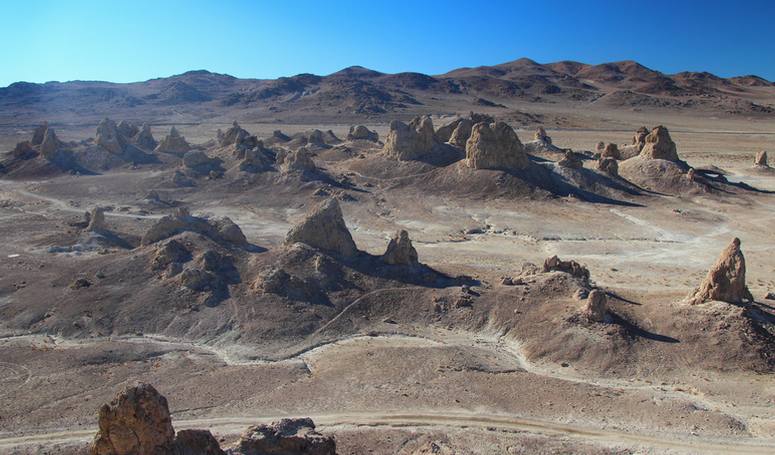
Imagine stepping into a surreal landscape that feels as if it were transported from another planet. Towering spires of tufa rise dramatically from the flat desert floor, their jagged forms casting long shadows under the relentless California sun. Welcome to the Trona Pinnacles, one of the most unique geological wonders in the American Southwest and a perfect off-the-beaten-path day trip from Los Angeles or a scenic stop on the route to Death Valley.
Located in the Searles Dry Lake basin in northeastern Kern County, this National Natural Landmark offers a raw, untamed adventure for hikers, photographers, stargazers, and anyone craving solitude in nature. With over 500 tufa spires reaching up to 140 feet tall, the site has doubled as a backdrop for Hollywood blockbusters like Star Trek V: The Final Frontier, the original and 2001 remake of Planet of the Apes, and more.
The Geology Behind the Magic
The Trona Pinnacles formed thousands of years ago when this part of the Mojave Desert lay submerged beneath ancient Lake Searles. Mineral-rich waters, particularly calcium carbonate, precipitated around springs on the lakebed, building up the remarkable tufa towers over time. As the lake eventually dried up, wind and erosion sculpted the remaining spires into the haunting formations we see today.
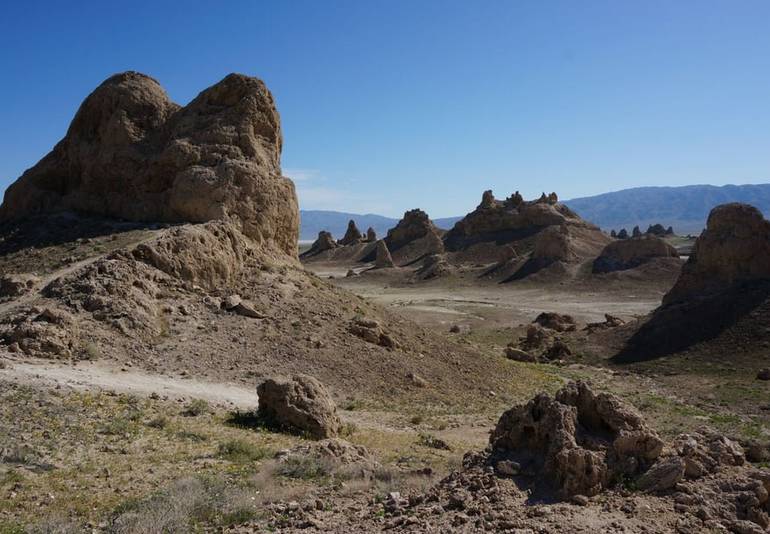
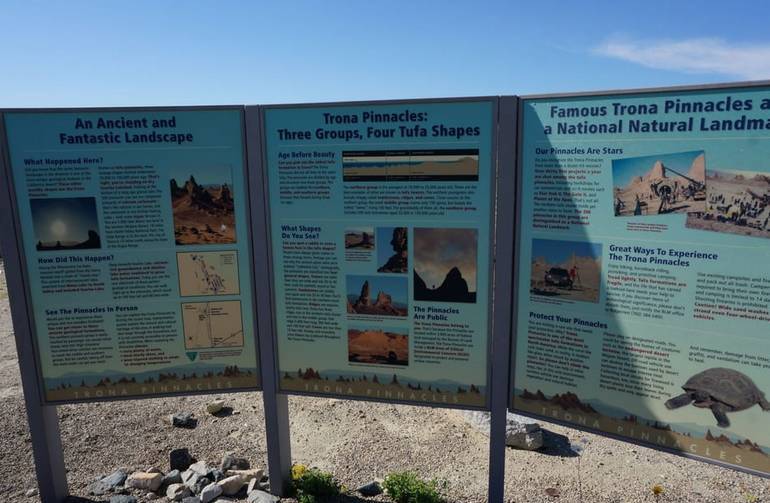
The pinnacles are grouped into three main clusters. The northern group features the tallest towers, some of which soar over 100 feet. The southernmost section holds some of the oldest examples, dating back nearly 100,000 years. Shapes range from slender towers and tombstones to squat cones and ridges, creating endlessly photogenic, explorable terrain.
Designated a National Natural Landmark in 1968 by the U.S. Department of the Interior, the site is managed by the Bureau of Land Management (BLM) and protected as part of the California Desert National Conservation Lands.

What to Do at Trona Pinnacles
Visitors can spend anywhere from a couple of hours to a full day (or night) wandering among the spires. A short, easy self-guided walking trail loops through the middle group, offering close-up views without strenuous effort. More adventurous explorers can follow informal paths or drive the network of dirt roads that wind through the formations.
Photography shines here, especially at sunrise or sunset when the warm light makes the towers glow. The stark contrast between the white/gray pinnacles and the vast desert backdrop creates dramatic, otherworldly images.
Hiking and OHV opportunities abound, though always stay on established routes to protect the fragile desert ecosystem. Four-wheel drive isn’t required for the main access road, but a vehicle with decent ground clearance handles the washboard dirt sections best.
Primitive camping is allowed (dispersed camping, up to 14 days within a 28-day period). Overnight stays reward campers with some of the darkest skies in California—perfect for stargazing. However, coyotes frequent the area, so supervise pets and children closely. Pack out all trash and follow Leave No Trace principles, as there are no services except a single vault toilet.
Best Time to Visit
Spring (March–May) and fall (September–November) offer the most comfortable temperatures for exploration. Summer highs often exceed 100–110°F, making midday visits brutal. Winter can bring cooler days and occasional rain, which may close or damage the dirt access road.
Tips for Your Trip
- No facilities: Bring plenty of water, snacks, sunscreen, and a full tank of gas. Ridgecrest is the nearest town for supplies.
- Road conditions: The 5-mile dirt road (RM143 / Pinnacles Road) is generally passable by 2WD vehicles but can be rough, dusty, or muddy after rain. Check current conditions via BLM resources before heading out.
- Safety: Extreme heat, flash floods, and remote location mean preparation is key. Cell service is limited.
Nearby Attractions: Trona and Beyond
The small mining town of Trona offers a glimpse into the area’s industrial heritage. Its modest museum, housed in an old guest house, displays local artifacts, photographs, and even a historic Trona Railroad caboose.
Note on the Gem Show: The annual Trona Searles Dry Lake Gem-O-Rama (Gem-O-Rama), traditionally held on the second weekend of October, allowed public access to the dry lake for mineral collecting. Unfortunately, the event has been repeatedly canceled in recent years due to earthquakes, infrastructure issues, and other challenges, and it appears it may no longer be held. Check with the Searles Lake Gem & Mineral Society for any future updates.
Directions from Los Angeles
The Trona Pinnacles sit roughly 170 miles north of Los Angeles (about a 3–3.5 hour drive).
1. Take CA-14 North through Lancaster and Mojave.
2. Continue east on CA-178 toward Ridgecrest.
3. From Ridgecrest, proceed east on CA-178 for about 20 miles.
4. Turn right onto the signed Pinnacles Road / RM143 (dirt road), approximately 7.7 miles east of the Trona-Red Mountain Road junction.
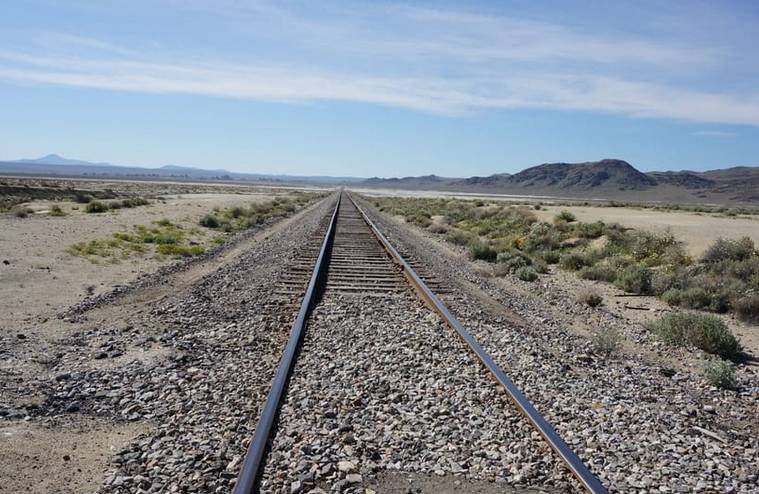
5. Follow the dirt road about 5 miles south to the Pinnacles. Take the right fork before the railroad tracks, cross them, and continue.
GPS coordinates for the main area are approximately 35.618, -117.373. Always use an updated map or app for the remote desert roads. BLM website.
The Trona Pinnacles are a Must-Visit Desert Gem
The Trona Pinnacles deliver a rare blend of geological intrigue, cinematic history, and raw natural beauty. Whether you’re seeking a quick day trip, epic photos, or a peaceful night under the stars, this hidden Mojave treasure rewards those willing to venture off the pavement. In a state full of iconic destinations, Trona Pinnacles stands out as refreshingly wild and authentic.
Plan your visit responsibly, embrace the adventure, and prepare to be amazed by one of California’s most extraordinary landscapes.
FAQ: Visiting Trona Pinnacles
Is there an entrance fee?
No, access is free as it is public BLM land.
Can any car reach the pinnacles?
Most passenger cars can manage the main 5-mile dirt road in dry conditions, but high-clearance vehicles are recommended. The road can become impassable after heavy rain.
Is camping allowed?
Yes, free dispersed camping is permitted. Follow BLM rules: stay 14 days or less, pack out all trash, and use existing fire rings if fires are allowed.
Are dogs permitted?
Yes, but keep them leashed and under control due to wildlife and rough terrain.
What’s the closest town for gas and food?
Ridgecrest, about 20 miles west, offers full services. Trona itself is very small with limited amenities.
Is it safe to visit?
Generally, yes, for prepared visitors, but it’s remote and carries extreme-weather risks. Travel with a companion, inform someone of your plans, and carry extra water and supplies.
Discover more from Daytrippen.com
Subscribe to get the latest posts sent to your email.
Those rock formations look unique. Have you explored other spots in Kern County too?