Plan a Day at Zuma Beach, California
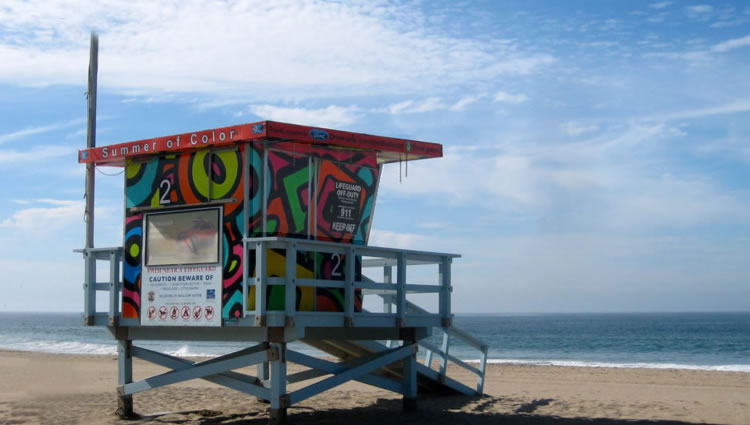
Zuma Beach is the Malibu stretch you can actually use for a full day. It sits at 30000 Pacific Coast Highway and runs about 1.8 miles of wide, pale sand along Santa Monica Bay, with roughly 105 acres of county beach behind it. Los Angeles County has long ranked it among the region’s cleaner public beaches. That reputation still holds: restrooms, showers, lifeguard towers, and a long paved path keep the place functional, not merely scenic.
South-facing exposure is part of the draw. Morning light hits the water early, afternoon wind often stays manageable, and winter days can still feel inviting when other coves sit in shadow. Summer weekends get busy. Weekdays stay calmer, which is when Zuma feels most like a local beach rather than a destination stop. From downtown Los Angeles, the drive is usually about an hour and fifteen minutes, longer if you hit PCH traffic. From Santa Monica, follow the highway northwest through Malibu until the lots open on the ocean side of the road.
Why Zuma Beach Still Draws a Crowd
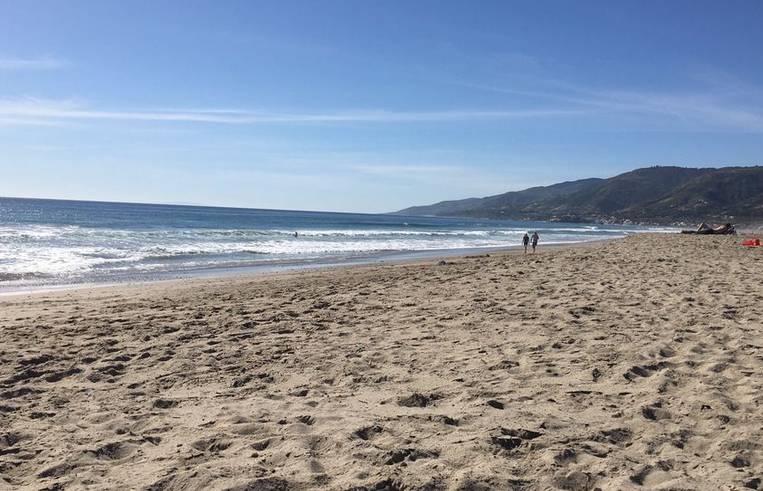
Size is the first advantage. Many Malibu beaches are narrow, rocky, or squeezed against cliffs. Zuma is broad enough that you can walk a few minutes from the main entry and find space for towels, a volleyball game, or a quiet stretch of shoreline. Food stands sit at both ends. Picnic tables, outdoor showers, and a kids’ play area make it workable for families. An access mat is typically in place from April through October, and beach wheelchairs are available.
The paved path along the beach is almost as popular as the sand. Cyclists, runners, and walkers use it all day. Later, when the sun drops toward Point Dume, the same path turns into a slow evening stroll. On clear winter and spring days, gray whales pass offshore during the migration. Dolphins show up more often than many first-time visitors expect.
Surf, Swim, and Time on the Sand
Zuma is a working surf beach, not a still lagoon. Waves are often small to moderate and fairly consistent, with west and southwest swells doing most of the work. Beginners use the gentler days. More experienced surfers, bodyboarders, and kite or windsurfers show up when the wind and swell line up. Swimming is common in front of the towers during daylight hours, when county lifeguards are on duty.
Treat the water with respect. Rip currents can form quickly, and the shore break has more punch than it looks from the parking lot. Stay near a staffed tower if you plan to swim. After rain, skip the ocean for about 72 hours; runoff raises bacteria levels along this coast. Fishing is allowed in designated areas, and volleyball nets go up across the sand through the warmer months.

Facilities That Make a Full Day Easy
Zuma works as a day trip because you do not have to leave for basic needs. Restrooms and showers are spread along the lots. Concession stands cover the usual beach food: hot dogs, drinks, chips, ice cream. A restaurant sits at the south end, a bus stop sits on PCH (Metro line 534 at Pacific Coast Highway / Morning View), and there’s enough parking infrastructure that you won’t circle residential streets the way you might at El Matador or a pocket cove.
Dogs are not allowed on the sand or in the water. Service animals are the exception. Alcohol and open fires, including barbecues, are banned on Malibu public beaches. Overnight parking is not permitted. Those rules are enforced, so plan food and drinks accordingly and leave pets at home or choose a different stop, such as leashed areas at Leo Carrillo State Beach farther up the coast.

Where to Eat Near Zuma Beach
The Sunset Restaurant, at 6800 Westward Beach Road, is the sit-down option on the sand. It serves lunch and dinner most days and weekend brunch. The setting is the point: windows and an upper room look out over the water, which matters because the building sits close to the road and parked cars can block the view from lower tables. Ask for a window if a sunset meal is the reason you came. The menu leans contemporary American and seafood. Hours shift, so confirm before you drive; recent listings put weekday lunch around late morning and dinner into the evening, with later seatings on Friday and Saturday.
For a faster, more casual meal, continue north on PCH to Neptune’s Net at 42505 Pacific Coast Highway. The seafood shack has been open since 1958 and has appeared in films including Point Break and The Fast and the Furious. Expect baskets, chowder, and a patio full of motorcycles and sandy shoes. Closer to Point Dume, Paradise Cove Beach Café is a longer lunch if you want table service and a cove setting; portions are large, and prices match the location.
Parking, Hours, and How to Get There
Beach parking lots operate from 6 a.m. to 10 p.m. Eight lots hold about 2,000 spaces, which is generous by Malibu standards and still not enough on a hot Saturday in July. Daily lot rates commonly run from about $8 in the off-season to $15–$20 on summer weekends and holidays. Some areas use meters at roughly $0.50 per 15 minutes with a short maximum. Fees support cleaning and restrooms.
Arrive before 10 a.m. in peak season if you want a choice of lots. Early birds sometimes find legal free parking on the ocean side of Pacific Coast Highway; read every sign. Restrictions change, tickets are expensive, and towing happens. No overnight parking is allowed.
Nearby Along Pacific Coast Highway
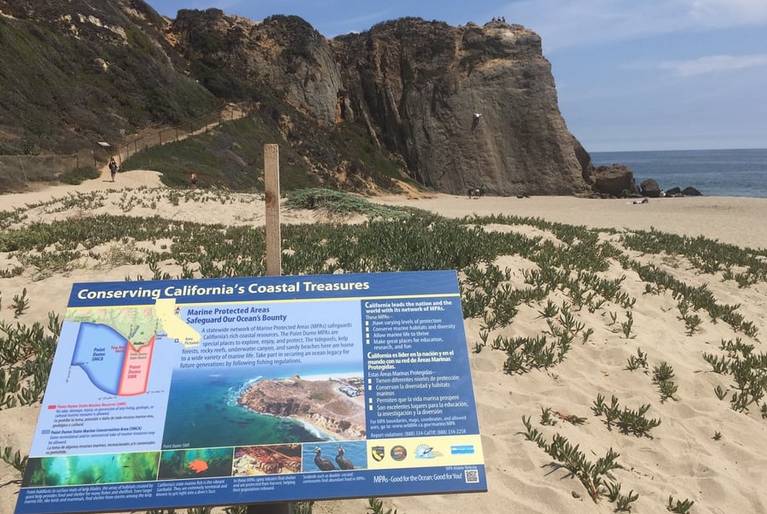
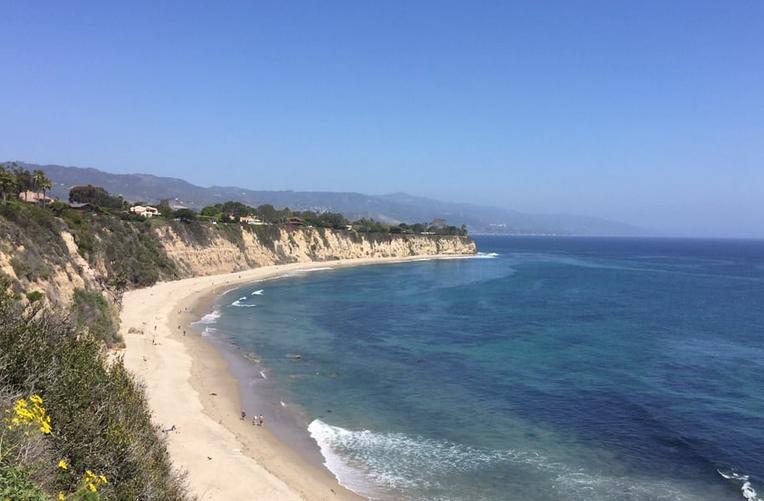
Point Dume Nature Preserve sits at the south end of this stretch of coast. From the bluff you can look back across Zuma and, on a clear day, down the bay toward Santa Monica. Trails, tide pools, and winter whale watching make it the strongest short hike near the beach. Parking on the bluff is limited; many people park at Zuma and walk.
Paradise Cove is a few minutes south and feels more tucked away, with a café on the sand and a long list of film credits. Farther north, Leo Carrillo State Beach adds tide pools, caves, and one of the few nearby options that allows leashed dogs in certain areas. Together, those stops turn a single beach morning into a full Malibu day without leaving PCH for long.
Tips for a Good Beach Day
Bring shade. The sand is wide, and the wind can shift, so a sturdy umbrella or pop-up tent is more useful than a thin beach towel alone. Seagulls will test any unattended food. Swim in front of a tower. Keep valuables out of sight in the lot. For quieter sand, walk toward the ends of the beach rather than settling next to the first restroom you see.
Best windows: weekday mornings year-round; September and October, when the water is still relatively warm, and the parking lots breathe again; winter mornings if you care more about whales and empty sand than swimming. Summer is the classic scene, and it is also when you should treat parking as a plan, not an afterthought.
Zuma Beach rewards a simple itinerary. Get there early, claim a patch of sand, use the path when you want movement, and save time for either a window table at The Sunset Restaurant or a basket at Neptune’s Net. The highway will still be there when you leave. The point of this stretch of Malibu is that you do not need a hidden cove or a hotel key to spend a full day on the water. You need a parking strategy, sunscreen, and a few hours you are willing to give to the Pacific.
Exploring Southern California’s Coast: Surf Breaks, Coves & Beach Camping
Discover more from Daytrippen.com
Subscribe to get the latest posts sent to your email.